Heat Pump Freezing Up Repeatedly – Pipework & System Design Issue
Heat Pump Freezing Up Repeatedly – Pipework & System Design Issue
Heat Pump Freezing Up Repeatedly – Pipework & System Design Issue
Heat Pump Freezing Up Repeatedly – Pipework & System Design Issue
Heat Pump Freezing Up Repeatedly – Pipework & System Design Issue

UK Heat pump Help Technical Team
Independent Heat Pump Engineer
Heat Pump Freezing Up Repeatedly – Pipework & System Design Issue
The Problem
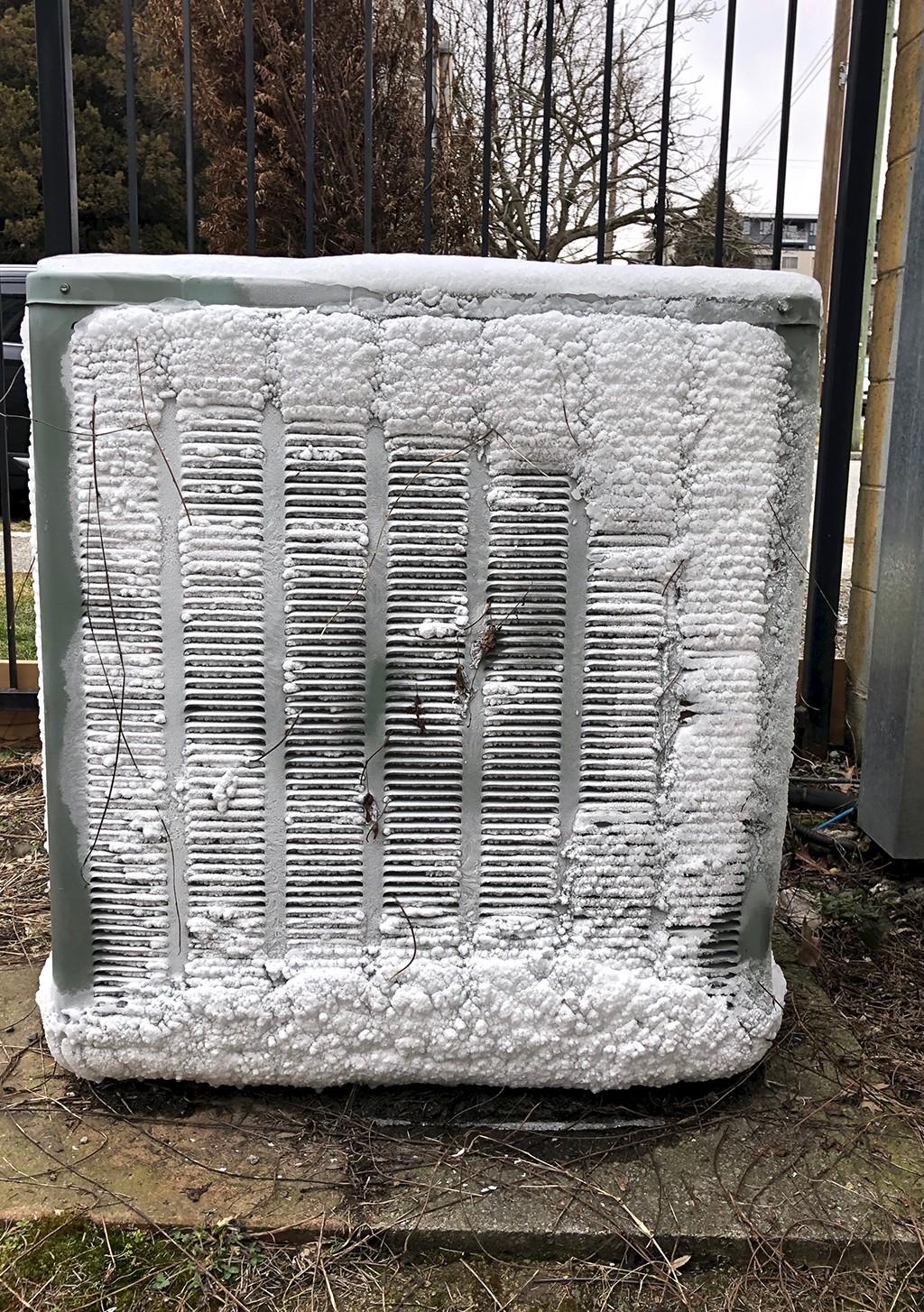
A customer was experiencing frequent freezing issues with their heat pump during colder weather.
The problem had become so severe that they were having to go outside and manually defrost the unit themselves.
This isn’t normal behaviour for a correctly installed system.
What I Found
After reviewing the system design, a number of issues became clear:
The primary pipework between the heat pump and cylinder was excessively long
The pipework had been installed directly in the ground with little to no insulation
A buffer tank had been added, despite the system already having a large water volume
The combination of long, uninsulated pipework and poor system design meant:
Significant heat loss before energy even reached the house
Reduced system efficiency
Unstable system operation in colder conditions
What I Changed
We discussed a range of options with the customer — from minimal changes through to a full system redesign.
The customer chose to go ahead with the best long-term solution.
I produced a full system design that could be passed directly to their installer, which included:
Replacing the external pipework with pre-insulated (low-loss) pipework
Adding a low loss header to improve system stability
Recalculating system volume and confirming that the existing pipework provided sufficient water content without needing a buffer
All designs were clearly documented, and I also supported the installer during the work, including guidance on setup and commissioning once installed.
The Outcome
With the system redesigned and installed correctly:
Freezing issues were eliminated
The system operated reliably in cold weather
Heat loss was significantly reduced
Overall system performance and efficiency improved
The customer no longer needed to intervene manually, and the system was able to run as intended.
Heat Pump Freezing Up Repeatedly – Pipework & System Design Issue
The Problem
A customer was experiencing frequent freezing issues with their heat pump during colder weather.
The problem had become so severe that they were having to go outside and manually defrost the unit themselves.
This isn’t normal behaviour for a correctly installed system.
What I Found
After reviewing the system design, a number of issues became clear:
The primary pipework between the heat pump and cylinder was excessively long
The pipework had been installed directly in the ground with little to no insulation
A buffer tank had been added, despite the system already having a large water volume
The combination of long, uninsulated pipework and poor system design meant:
Significant heat loss before energy even reached the house
Reduced system efficiency
Unstable system operation in colder conditions
What I Changed
We discussed a range of options with the customer — from minimal changes through to a full system redesign.
The customer chose to go ahead with the best long-term solution.
I produced a full system design that could be passed directly to their installer, which included:
Replacing the external pipework with pre-insulated (low-loss) pipework
Adding a low loss header to improve system stability
Recalculating system volume and confirming that the existing pipework provided sufficient water content without needing a buffer
All designs were clearly documented, and I also supported the installer during the work, including guidance on setup and commissioning once installed.
The Outcome
With the system redesigned and installed correctly:
Freezing issues were eliminated
The system operated reliably in cold weather
Heat loss was significantly reduced
Overall system performance and efficiency improved
The customer no longer needed to intervene manually, and the system was able to run as intended.

Contact Us
Not Sure Which Service You Need?
Not Sure Which Service You Need?
Not Sure Which Service You Need?
Not Sure Which Service You Need?
Not Sure Which Service You Need?
Whether you need help with an existing heat pump, a pre-installation review, cooling advice, servicing or a room-by-room heat loss survey, send us a few details and we'll point you in the right direction.
Whether you need help with an existing heat pump, a pre-installation review, cooling advice, servicing or a room-by-room heat loss survey, send us a few details and we'll point you in the right direction.
Whether you need help with an existing heat pump, a pre-installation review, cooling advice, servicing or a room-by-room heat loss survey, send us a few details and we'll point you in the right direction.

