Heat Pump Short Cycling & High Running Costs – Zoning Design Issue
Heat Pump Short Cycling & High Running Costs – Zoning Design Issue
Heat Pump Short Cycling & High Running Costs – Zoning Design Issue
Heat Pump Short Cycling & High Running Costs – Zoning Design Issue
Heat Pump Short Cycling & High Running Costs – Zoning Design Issue

UK Heat pump Help Technical Team
Independent Heat Pump Engineer
Heat Pump Short Cycling & High Running Costs – Zoning Design Issue
The Problem
A homeowner was experiencing very high running costs, along with poor heating performance.
Despite the system running frequently, the house wasn’t heating properly — particularly the underfloor heating, which struggled to build up temperature.
What I Found
The issue came down to how the system had been designed.
The property had:
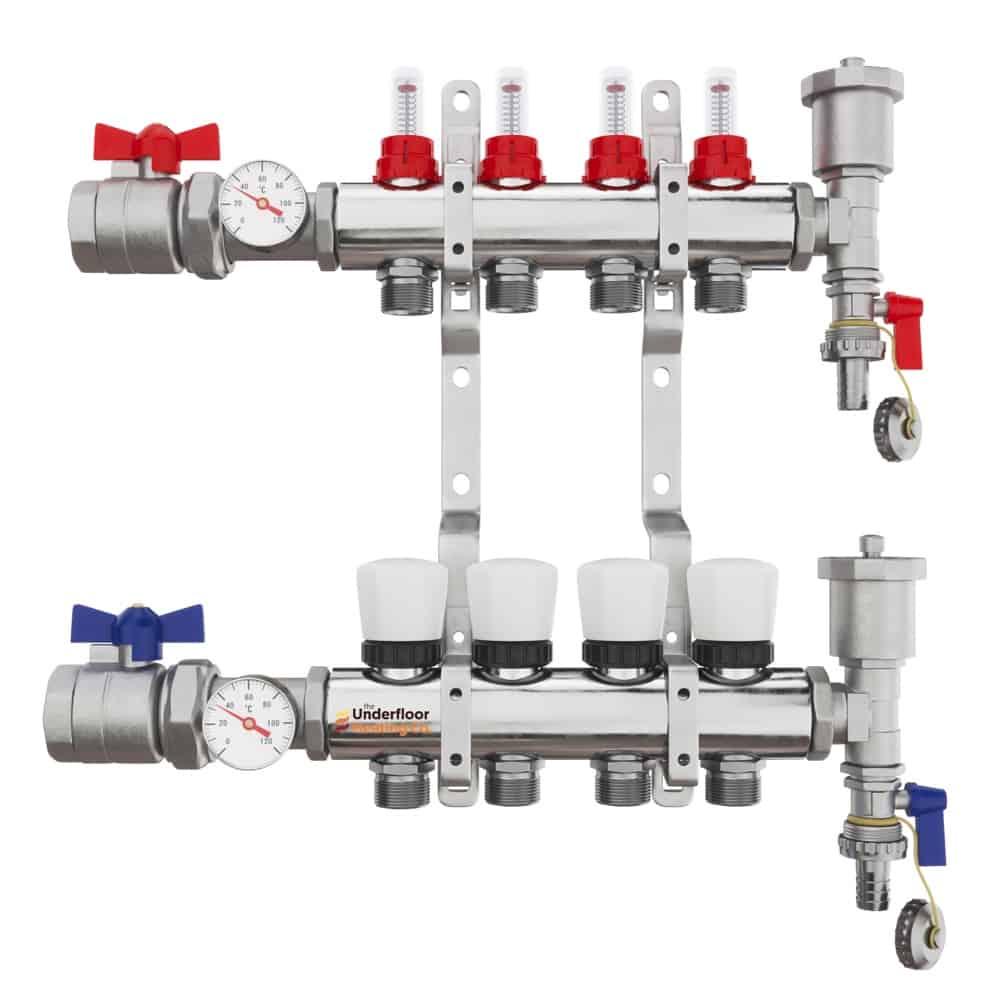
Multiple underfloor heating zones
Split radiator circuits
While this type of zoning can work, it requires correct system design. Without a buffer, the heat pump relies on enough open circuits to maintain the required flow rate.
In this case:
A single underfloor zone could open at around 4 litres per minute
The heat pump required approximately 22 litres per minute
This meant that when only one zone called for heat:
Flow rate dropped too low
The heat pump began short cycling
No consistent heat was delivered into the system
Efficiency dropped, increasing running costs
What I Changed
There were two possible solutions:
Reconfigure how the zones operated
Because the system used wireless controls, I was able to resolve the issue without major installation work.
We:
Re-zoned the property so:
One thermostat controlled all underfloor heating
One thermostat controlled both radiator circuits
Ensured enough emitters were always active to maintain minimum flow
Calculated how many radiators needed to remain open to support the heat pump and allow proper defrost operation
Adjusted radiator settings so:
Main living areas remained fully open
Bedrooms were reduced (set lower on the TRVs), maintaining comfort without restricting flow
The Outcome
With the system reconfigured, flow through the heat pump stabilised and short cycling was eliminated.
The underfloor heating began operating properly, allowing the property to build and retain heat as intended.
Running costs reduced, system behaviour became consistent, and the homeowner reported a significant improvement within just a couple of days.
Heat Pump Short Cycling & High Running Costs – Zoning Design Issue
The Problem
A homeowner was experiencing very high running costs, along with poor heating performance.
Despite the system running frequently, the house wasn’t heating properly — particularly the underfloor heating, which struggled to build up temperature.
What I Found
The issue came down to how the system had been designed.
The property had:
Multiple underfloor heating zones
Split radiator circuits
While this type of zoning can work, it requires correct system design. Without a buffer, the heat pump relies on enough open circuits to maintain the required flow rate.
In this case:
A single underfloor zone could open at around 4 litres per minute
The heat pump required approximately 22 litres per minute
This meant that when only one zone called for heat:
Flow rate dropped too low
The heat pump began short cycling
No consistent heat was delivered into the system
Efficiency dropped, increasing running costs
What I Changed
There were two possible solutions:
Reconfigure how the zones operated
Because the system used wireless controls, I was able to resolve the issue without major installation work.
We:
Re-zoned the property so:
One thermostat controlled all underfloor heating
One thermostat controlled both radiator circuits
Ensured enough emitters were always active to maintain minimum flow
Calculated how many radiators needed to remain open to support the heat pump and allow proper defrost operation
Adjusted radiator settings so:
Main living areas remained fully open
Bedrooms were reduced (set lower on the TRVs), maintaining comfort without restricting flow
The Outcome
With the system reconfigured, flow through the heat pump stabilised and short cycling was eliminated.
The underfloor heating began operating properly, allowing the property to build and retain heat as intended.
Running costs reduced, system behaviour became consistent, and the homeowner reported a significant improvement within just a couple of days.

Contact Us
Not Sure Which Service You Need?
Not Sure Which Service You Need?
Not Sure Which Service You Need?
Not Sure Which Service You Need?
Not Sure Which Service You Need?
Whether you need help with an existing heat pump, a pre-installation review, cooling advice, servicing or a room-by-room heat loss survey, send us a few details and we'll point you in the right direction.
Whether you need help with an existing heat pump, a pre-installation review, cooling advice, servicing or a room-by-room heat loss survey, send us a few details and we'll point you in the right direction.
Whether you need help with an existing heat pump, a pre-installation review, cooling advice, servicing or a room-by-room heat loss survey, send us a few details and we'll point you in the right direction.

