Do Heat Pumps Work With Old Radiators? UK Homeowner Guide
Do Heat Pumps Work With Old Radiators? UK Homeowner Guide
Do Heat Pumps Work With Old Radiators? UK Homeowner Guide
Do Heat Pumps Work With Old Radiators? UK Homeowner Guide
Do Heat Pumps Work With Old Radiators? UK Homeowner Guide

UK Heat pump Help Technical Team
Independent Heat Pump Engineer
Do Heat Pumps Work With Old Radiators? UK Homeowner Guide
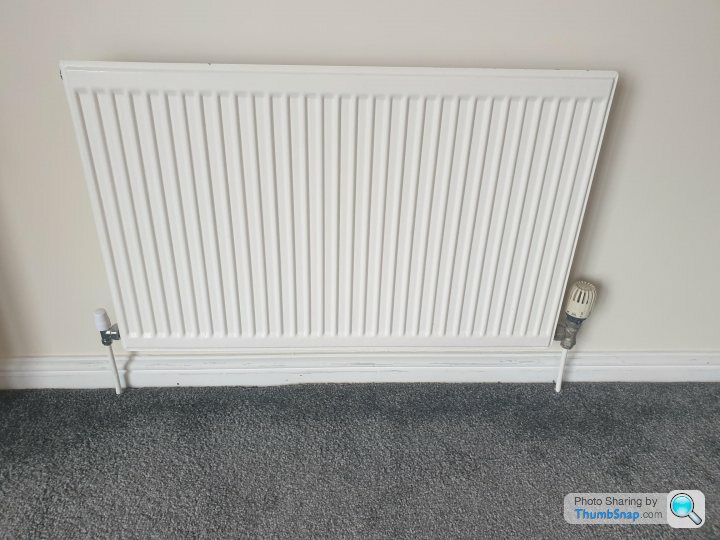
A common question for homeowners considering a heat pump is whether their existing radiators will still work effectively. Each room needs checking at lower flow temperature.
In many cases, heat pumps can work with existing radiators. However, this depends on how the system has been designed and whether the radiators are suitable for lower temperature heating.
Understanding how heat pumps operate can help explain why radiator suitability is important.
Why Heat Pumps Work Differently From Boilers
Traditional gas or oil boilers typically run at high water temperatures, often between 60–80°C. This allows radiators to emit a large amount of heat even if they are relatively small.
Heat pumps operate more efficiently at lower flow temperatures, often between 35–50°C. Because of this, radiators need to be able to deliver the required heat output at these lower temperatures.
Can Existing Radiators Be Used?
In some properties, existing radiators may be sufficient, particularly if:
The property has good insulation
The radiators are already oversized
The heat pump system has been designed carefully
However, in many cases, some radiators may need to be upgraded to ensure the system can heat the property effectively.
What Happens If Radiators Are Too Small?
If radiators are undersized for a heat pump system, the most common symptoms are:
Rooms struggle to reach temperature
The heat pump runs for long periods
This is because the system cannot transfer enough heat into the rooms, even if the heat pump is running continuously.
Can You Avoid Changing Radiators?
Some systems are configured to run at higher flow temperatures to compensate for smaller radiators. While this can improve heat output, it may reduce efficiency and increase running costs.
In many cases, a balance is required between radiator sizing, flow temperature, and overall system design.
The Importance of System Design
Radiator suitability should be assessed as part of a proper system design, including:
Radiator output at lower temperatures
Overall system configuration
Without this, it can be difficult to predict how well the system will perform.
Pre-Installation Review
For homeowners considering a heat pump, reviewing radiator suitability before installation can help avoid performance issues later.
An independent technical review can provide clarity on whether existing radiators are likely to be suitable and what adjustments, if any, may be required.
Independent Heat Pump Technical Advice
At UK Heat Pump Help, we provide independent technical advice for homeowners both before and after installation.
This includes reviewing system design, assessing radiator suitability, and helping ensure the system is set up to perform as expected.
Related reading: Do Heat Pumps Work With Old Radiators?
Do Heat Pumps Work With Old Radiators? UK Homeowner Guide
A common question for homeowners considering a heat pump is whether their existing radiators will still work effectively. Each room needs checking at lower flow temperature.
In many cases, heat pumps can work with existing radiators. However, this depends on how the system has been designed and whether the radiators are suitable for lower temperature heating.
Understanding how heat pumps operate can help explain why radiator suitability is important.
Why Heat Pumps Work Differently From Boilers
Traditional gas or oil boilers typically run at high water temperatures, often between 60–80°C. This allows radiators to emit a large amount of heat even if they are relatively small.
Heat pumps operate more efficiently at lower flow temperatures, often between 35–50°C. Because of this, radiators need to be able to deliver the required heat output at these lower temperatures.
Can Existing Radiators Be Used?
In some properties, existing radiators may be sufficient, particularly if:
The property has good insulation
The radiators are already oversized
The heat pump system has been designed carefully
However, in many cases, some radiators may need to be upgraded to ensure the system can heat the property effectively.
What Happens If Radiators Are Too Small?
If radiators are undersized for a heat pump system, the most common symptoms are:
Rooms struggle to reach temperature
The heat pump runs for long periods
This is because the system cannot transfer enough heat into the rooms, even if the heat pump is running continuously.
Can You Avoid Changing Radiators?
Some systems are configured to run at higher flow temperatures to compensate for smaller radiators. While this can improve heat output, it may reduce efficiency and increase running costs.
In many cases, a balance is required between radiator sizing, flow temperature, and overall system design.
The Importance of System Design
Radiator suitability should be assessed as part of a proper system design, including:
Radiator output at lower temperatures
Overall system configuration
Without this, it can be difficult to predict how well the system will perform.
Pre-Installation Review
For homeowners considering a heat pump, reviewing radiator suitability before installation can help avoid performance issues later.
An independent technical review can provide clarity on whether existing radiators are likely to be suitable and what adjustments, if any, may be required.
Independent Heat Pump Technical Advice
At UK Heat Pump Help, we provide independent technical advice for homeowners both before and after installation.
This includes reviewing system design, assessing radiator suitability, and helping ensure the system is set up to perform as expected.
Related reading: Do Heat Pumps Work With Old Radiators?

Sep 30, 2026
5 min read
Heat Pump Diverter Valve Problems: Heating and Hot Water Symptoms
Read More
Sep 30, 2026
5 min read
Heat Pump Diverter Valve Problems: Heating and Hot Water Symptoms
Read More

Sep 30, 2026
5 min read
Best Electricity Tariffs for Heat Pump Owners in the UK
Read More
Sep 30, 2026
5 min read
Best Electricity Tariffs for Heat Pump Owners in the UK
Read More


Contact Us
Not Sure Which Service You Need?
Not Sure Which Service You Need?
Not Sure Which Service You Need?
Not Sure Which Service You Need?
Not Sure Which Service You Need?
Whether you need help with an existing heat pump, a pre-installation review, cooling advice, servicing or a room-by-room heat loss survey, send us a few details and we'll point you in the right direction.
Whether you need help with an existing heat pump, a pre-installation review, cooling advice, servicing or a room-by-room heat loss survey, send us a few details and we'll point you in the right direction.
Whether you need help with an existing heat pump, a pre-installation review, cooling advice, servicing or a room-by-room heat loss survey, send us a few details and we'll point you in the right direction.

