Why Is My Heat Pump Blowing Cold Air?
Why Is My Heat Pump Blowing Cold Air?
Why Is My Heat Pump Blowing Cold Air?
Why Is My Heat Pump Blowing Cold Air?
Why Is My Heat Pump Blowing Cold Air?

UK Heat pump Help Technical Team
Independent Heat Pump Engineer
Why Is My Heat Pump Blowing Cold Air?
One of the things that worries UK homeowners most after a heat pump is installed is standing near the outdoor unit and feeling cold air blowing out of it. It seems counterintuitive the system is supposed to be heating the house, so why is cold air coming out of the box outside? The answer is reassuring: in almost every case, cold air from the outdoor unit is a sign the heat pump is working correctly, not a sign that something has gone wrong. Understanding why this happens and what to look for when something actually is wrong makes living with a heat pump considerably less stressful.
How Does a Heat Pump Actually Work?
To understand why the outdoor unit discharges cold air, it helps to understand the basic principle of how a heat pump operates. A heat pump does not generate heat the way a gas boiler does it moves heat from one place to another using the refrigeration cycle. The outdoor unit contains a coil filled with refrigerant. A fan draws outside air across that coil, and the refrigerant absorbs heat energy from the air even on a cold day, because even cold air contains usable heat energy. Once that heat energy has been extracted and transferred into your heating system inside the house, the air that was drawn across the coil has had its heat removed. It is now colder than when it arrived. That colder air is what gets discharged from the outdoor unit. So the cold air you can feel coming from the outdoor unit is not wasted heat it is the by-product of the system successfully extracting heat from the atmosphere and putting it into your home. The colder the discharge air feels relative to the ambient temperature, the more heat the system has successfully extracted. It is working exactly as designed. Our article on why a heat pump feels less powerful than an old boiler explains more about how heat pump operation differs from boiler operation and why those differences are often misread as problems.
Why Does the Air Feel So Surprisingly Cold?
The temperature difference between the incoming air and the discharged air can sometimes feel dramatic particularly on cold winter days. This is because the refrigerant inside the outdoor coil operates at a very low temperature, allowing it to absorb heat efficiently even from cold outside air. The greater the temperature difference between the refrigerant and the outside air, the more heat gets transferred and the colder the discharge air becomes. On a particularly cold and damp winter day, the discharge air from a working heat pump can feel significantly colder than the ambient air around it. This is normal and actually indicates the system is extracting heat effectively. There is nothing to be concerned about from the outdoor unit side.
What Is Defrost Mode and Why Does It Happen?
Because the outdoor coil operates at such low temperatures, moisture from the air can freeze onto its surface during cold or damp weather. As frost and ice build up on the coil, they restrict airflow and reduce the system’s ability to extract heat efficiently. To manage this, all modern air source heat pumps have a built-in defrost cycle that activates automatically when the system detects ice forming on the coil. During a defrost cycle, the heat pump temporarily reverses its operation effectively running briefly in a mode that directs heat toward the outdoor coil to melt the ice. This means that for a short period during defrost, the system is not delivering heat to the house. You may notice steam rising from the outdoor unit as ice melts, changes in fan speed or noise, and temporarily cooler indoor temperatures. The defrost cycle typically lasts between five and fifteen minutes and then the system returns automatically to normal heating operation. Our dedicated article on why your heat pump defrosts so often explains the full defrost process, how frequently it should occur in UK weather conditions, and when frequent defrosting might indicate a problem worth investigating.
Does Cold Air From the Outdoor Unit Mean the House Isn’t Being Heated?
No these are two completely separate things. The outdoor unit discharging cold air means the system is extracting heat from the atmosphere. That extracted heat is simultaneously being transferred into the water circuit inside your home and distributed through your radiators or underfloor heating. The outdoor discharge temperature and the indoor heating performance are both happening at the same time and are directly connected colder outdoor discharge air generally means more heat is being put into the house, not less. The thing to monitor is not what you can feel from the outdoor unit but whether the house is actually reaching and maintaining your target temperature. If the indoor temperature is comfortable and stable, the system is performing correctly regardless of how cold the outdoor discharge air feels.
When Should You Actually Be Concerned?
Cold air from the outdoor unit on its own is never a cause for concern. The situations that do warrant attention are different ones. If the house is struggling to reach or maintain temperature despite the heat pump running, if running costs are higher than expected, if the system is cycling on and off frequently, or if the outdoor unit appears to be permanently iced over rather than going through normal defrost cycles and recovering these are the patterns that suggest something in the system needs attention. In those cases, the cause is almost always related to system setup, flow temperatures, heat loss from the property, controls configuration, or overall system design not the outdoor unit discharging cold air. Our article on heat pump running constantly is worth reading if the system never seems to stop, and our guide on common commissioning mistakes covers the setup errors that most often cause these performance symptoms.
What About Ice Building Up on the Outdoor Unit?
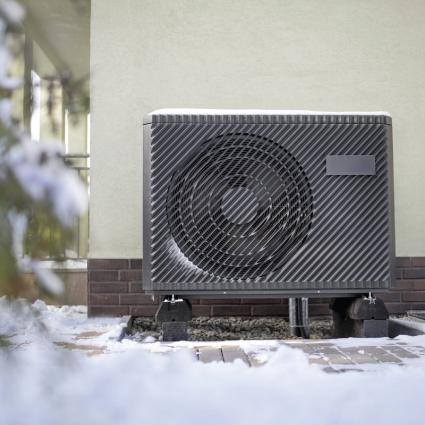
A small amount of frost or light ice on the outdoor coil during cold or damp weather is completely normal and this is exactly what the defrost cycle is designed to manage automatically. What is not normal is heavy, persistent ice build-up that the defrost cycle is not clearing, ice covering the entire unit including the top and sides rather than just the coil, or the unit remaining iced over for extended periods without recovering. If you are seeing this kind of persistent icing, it can indicate restricted airflow around the outdoor unit, a defrost sensor or control board issue, or a refrigerant problem that needs a qualified engineer to investigate. But light frost on a cold morning that clears during defrost and then reappears during the next period of cold operation is entirely expected behaviour and nothing to worry about.
The Key Point Most Homeowners Miss
The outdoor unit on a heat pump is supposed to discharge colder air than the air around it. That is the physical evidence that the system has successfully extracted heat energy from the atmosphere and is putting it to work heating your home. The colder the discharge air relative to the ambient temperature, the more efficiently the heat extraction is working. It is the indoor performance whether the house is warm, comfortable, and being heated at a reasonable cost that tells you whether the system as a whole is working correctly. Cold outdoor discharge air and good indoor heating performance go together. If you have both, the system is doing its job.
If your heat pump is producing cold outdoor discharge air but the house is not heating properly, or your electricity bills are higher than expected, those are the symptoms worth investigating and they are almost always a system setup or design issue rather than a problem with the outdoor unit itself. Our Full Performance Review looks at flow temperatures, controls, heat loss, cycling behaviour, and overall system performance, and in most cases we can identify the cause and recommend a clear solution during the call. If you are at the planning stage and want to make sure the system is designed correctly so these problems never arise, our Pre-Installation Design and Heat Loss Review covers everything before installation begins.
Related reading: Is It Normal for a Heat Pump to Blow Cold Air?
You may also find Is It Normal for a Heat Pump to Blow Cold Air? useful.
Why Is My Heat Pump Blowing Cold Air?
One of the things that worries UK homeowners most after a heat pump is installed is standing near the outdoor unit and feeling cold air blowing out of it. It seems counterintuitive the system is supposed to be heating the house, so why is cold air coming out of the box outside? The answer is reassuring: in almost every case, cold air from the outdoor unit is a sign the heat pump is working correctly, not a sign that something has gone wrong. Understanding why this happens and what to look for when something actually is wrong makes living with a heat pump considerably less stressful.
How Does a Heat Pump Actually Work?
To understand why the outdoor unit discharges cold air, it helps to understand the basic principle of how a heat pump operates. A heat pump does not generate heat the way a gas boiler does it moves heat from one place to another using the refrigeration cycle. The outdoor unit contains a coil filled with refrigerant. A fan draws outside air across that coil, and the refrigerant absorbs heat energy from the air even on a cold day, because even cold air contains usable heat energy. Once that heat energy has been extracted and transferred into your heating system inside the house, the air that was drawn across the coil has had its heat removed. It is now colder than when it arrived. That colder air is what gets discharged from the outdoor unit. So the cold air you can feel coming from the outdoor unit is not wasted heat it is the by-product of the system successfully extracting heat from the atmosphere and putting it into your home. The colder the discharge air feels relative to the ambient temperature, the more heat the system has successfully extracted. It is working exactly as designed. Our article on why a heat pump feels less powerful than an old boiler explains more about how heat pump operation differs from boiler operation and why those differences are often misread as problems.
Why Does the Air Feel So Surprisingly Cold?
The temperature difference between the incoming air and the discharged air can sometimes feel dramatic particularly on cold winter days. This is because the refrigerant inside the outdoor coil operates at a very low temperature, allowing it to absorb heat efficiently even from cold outside air. The greater the temperature difference between the refrigerant and the outside air, the more heat gets transferred and the colder the discharge air becomes. On a particularly cold and damp winter day, the discharge air from a working heat pump can feel significantly colder than the ambient air around it. This is normal and actually indicates the system is extracting heat effectively. There is nothing to be concerned about from the outdoor unit side.
What Is Defrost Mode and Why Does It Happen?
Because the outdoor coil operates at such low temperatures, moisture from the air can freeze onto its surface during cold or damp weather. As frost and ice build up on the coil, they restrict airflow and reduce the system’s ability to extract heat efficiently. To manage this, all modern air source heat pumps have a built-in defrost cycle that activates automatically when the system detects ice forming on the coil. During a defrost cycle, the heat pump temporarily reverses its operation effectively running briefly in a mode that directs heat toward the outdoor coil to melt the ice. This means that for a short period during defrost, the system is not delivering heat to the house. You may notice steam rising from the outdoor unit as ice melts, changes in fan speed or noise, and temporarily cooler indoor temperatures. The defrost cycle typically lasts between five and fifteen minutes and then the system returns automatically to normal heating operation. Our dedicated article on why your heat pump defrosts so often explains the full defrost process, how frequently it should occur in UK weather conditions, and when frequent defrosting might indicate a problem worth investigating.
Does Cold Air From the Outdoor Unit Mean the House Isn’t Being Heated?
No these are two completely separate things. The outdoor unit discharging cold air means the system is extracting heat from the atmosphere. That extracted heat is simultaneously being transferred into the water circuit inside your home and distributed through your radiators or underfloor heating. The outdoor discharge temperature and the indoor heating performance are both happening at the same time and are directly connected colder outdoor discharge air generally means more heat is being put into the house, not less. The thing to monitor is not what you can feel from the outdoor unit but whether the house is actually reaching and maintaining your target temperature. If the indoor temperature is comfortable and stable, the system is performing correctly regardless of how cold the outdoor discharge air feels.
When Should You Actually Be Concerned?
Cold air from the outdoor unit on its own is never a cause for concern. The situations that do warrant attention are different ones. If the house is struggling to reach or maintain temperature despite the heat pump running, if running costs are higher than expected, if the system is cycling on and off frequently, or if the outdoor unit appears to be permanently iced over rather than going through normal defrost cycles and recovering these are the patterns that suggest something in the system needs attention. In those cases, the cause is almost always related to system setup, flow temperatures, heat loss from the property, controls configuration, or overall system design not the outdoor unit discharging cold air. Our article on heat pump running constantly is worth reading if the system never seems to stop, and our guide on common commissioning mistakes covers the setup errors that most often cause these performance symptoms.
What About Ice Building Up on the Outdoor Unit?
A small amount of frost or light ice on the outdoor coil during cold or damp weather is completely normal and this is exactly what the defrost cycle is designed to manage automatically. What is not normal is heavy, persistent ice build-up that the defrost cycle is not clearing, ice covering the entire unit including the top and sides rather than just the coil, or the unit remaining iced over for extended periods without recovering. If you are seeing this kind of persistent icing, it can indicate restricted airflow around the outdoor unit, a defrost sensor or control board issue, or a refrigerant problem that needs a qualified engineer to investigate. But light frost on a cold morning that clears during defrost and then reappears during the next period of cold operation is entirely expected behaviour and nothing to worry about.
The Key Point Most Homeowners Miss
The outdoor unit on a heat pump is supposed to discharge colder air than the air around it. That is the physical evidence that the system has successfully extracted heat energy from the atmosphere and is putting it to work heating your home. The colder the discharge air relative to the ambient temperature, the more efficiently the heat extraction is working. It is the indoor performance whether the house is warm, comfortable, and being heated at a reasonable cost that tells you whether the system as a whole is working correctly. Cold outdoor discharge air and good indoor heating performance go together. If you have both, the system is doing its job.
If your heat pump is producing cold outdoor discharge air but the house is not heating properly, or your electricity bills are higher than expected, those are the symptoms worth investigating and they are almost always a system setup or design issue rather than a problem with the outdoor unit itself. Our Full Performance Review looks at flow temperatures, controls, heat loss, cycling behaviour, and overall system performance, and in most cases we can identify the cause and recommend a clear solution during the call. If you are at the planning stage and want to make sure the system is designed correctly so these problems never arise, our Pre-Installation Design and Heat Loss Review covers everything before installation begins.
Related reading: Is It Normal for a Heat Pump to Blow Cold Air?
You may also find Is It Normal for a Heat Pump to Blow Cold Air? useful.

Sep 30, 2026
5 min read
Best Electricity Tariffs for Heat Pump Owners in the UK
Read More
Sep 30, 2026
5 min read
Best Electricity Tariffs for Heat Pump Owners in the UK
Read More

Sep 27, 2026
5 min read
Are Heat Pumps Noisy? A UK Guide to Noise Levels and What's Normal
Read More
Sep 27, 2026
5 min read
Are Heat Pumps Noisy? A UK Guide to Noise Levels and What's Normal
Read More

Contact Us
Not Sure Which Service You Need?
Not Sure Which Service You Need?
Not Sure Which Service You Need?
Not Sure Which Service You Need?
Not Sure Which Service You Need?
Whether you need help with an existing heat pump, a pre-installation review, cooling advice, servicing or a room-by-room heat loss survey, send us a few details and we'll point you in the right direction.
Whether you need help with an existing heat pump, a pre-installation review, cooling advice, servicing or a room-by-room heat loss survey, send us a few details and we'll point you in the right direction.
Whether you need help with an existing heat pump, a pre-installation review, cooling advice, servicing or a room-by-room heat loss survey, send us a few details and we'll point you in the right direction.

