Background
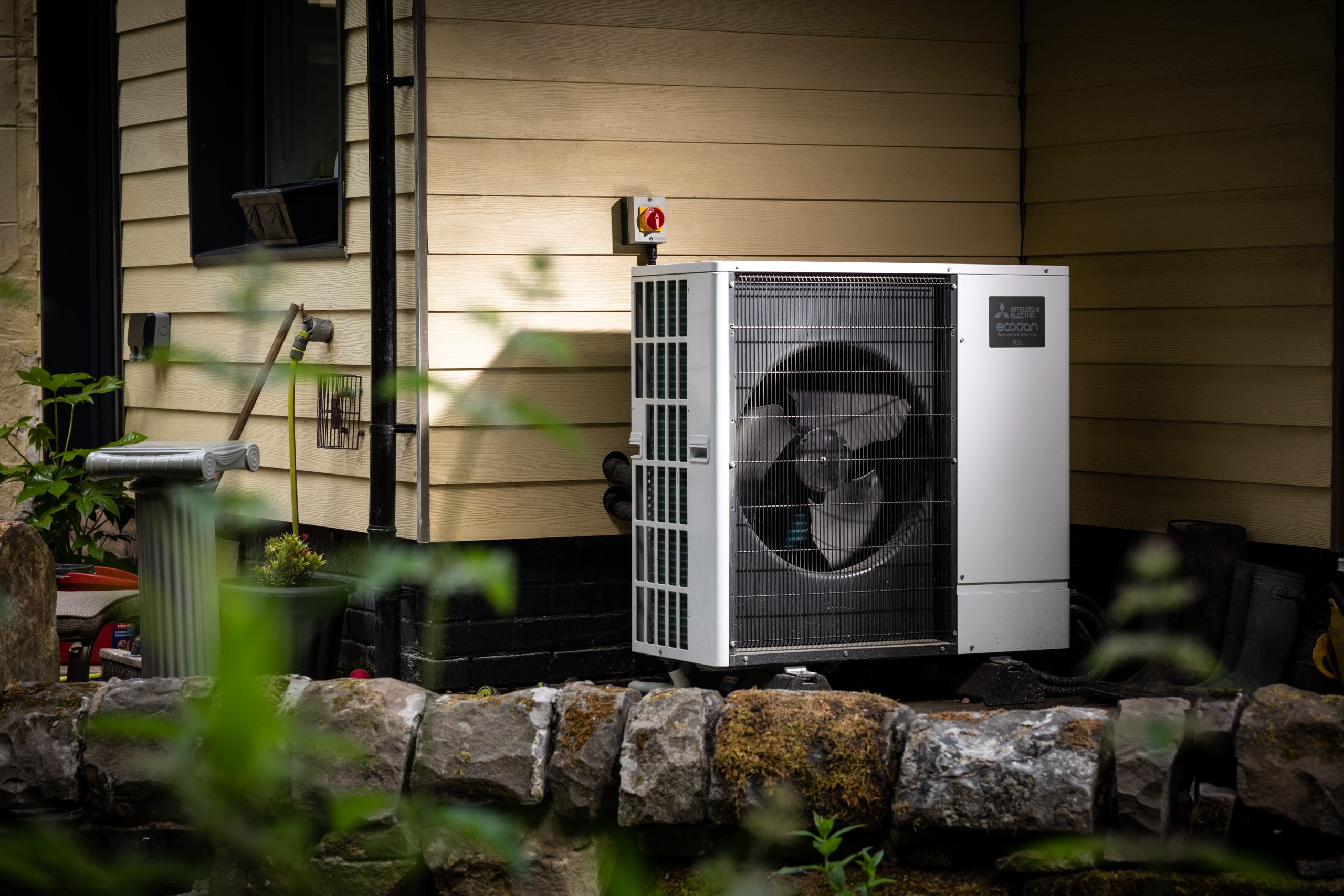
The homeowner of a 4-bedroom detached property in Essex contacted us after experiencing persistently high electricity bills following the installation of an 11kW air source heat pump. The system had been commissioned and signed off, yet running costs were considerably higher than anticipated.
The client’s primary concern was whether the system had been correctly configured, as comfort levels were acceptable but energy usage seemed excessive.
Property & System Overview
Property: 4-bedroom detached home
Location: Essex
Heat Pump: 11kW ASHP
Emitters: Radiators
Original Flow Temperature: 50°C constant
Weather Compensation: Disabled
The system was operating at a fixed 50°C flow temperature regardless of external conditions.
Initial Observations
During our desktop system review, we immediately identified that the system was not operating dynamically. Rather than modulating output in response to outdoor temperatures, it was maintaining a constant high flow temperature.
For a property of this type, maintaining 50°C continuously is rarely necessary, particularly during mild or transitional weather. This approach significantly reduces system efficiency and increases compressor workload.
Technical Findings
After analysing system configuration and control strategy, we identified several core issues:
Weather Compensation Disabled
The weather compensation function — designed to automatically adjust flow temperature based on outdoor conditions — had been turned off. This meant the heat pump was not optimising itself seasonally.Excessive Flow Temperature
A fixed 50°C flow temperature was unnecessarily high for much of the heating season. Higher flow temperatures reduce Coefficient of Performance (COP), increasing electricity consumption.Hydraulic Imbalance
The heating circuit had not been properly balanced. Some radiators were receiving more flow than necessary, creating uneven heat distribution and forcing the system to work harder overall.
Impact on Performance
These combined issues resulted in:
Elevated electricity consumption
Reduced seasonal efficiency
Increased compressor runtime
Lower system optimisation potential
Although the system was technically functional, it was not operating in a manner aligned with best practice heat pump design principles.
Corrective Strategy
Our recommendations focused on optimisation rather than hardware changes:
Enable and configure weather compensation correctly
Reduce flow temperature to a more appropriate curve starting around 38°C
Balance the heating circuit to ensure even distribution
Adjust pump settings to support lower-temperature operation
This approach allows the system to operate more dynamically and efficiently.
Outcome
Following adjustments:
Flow temperature reduced from 50°C to an average of 38°C under comparable conditions
System responsiveness improved
Projected running costs decreased
Comfort levels maintained or improved
Overall seasonal performance enhanced
The homeowner gained confidence that the system was capable of efficient operation when correctly configured.
Key Takeaway
This case demonstrates that high running costs are often not due to equipment failure, but configuration strategy. Proper weather compensation setup and flow temperature optimisation are critical to achieving the efficiency heat pumps are designed to deliver.

Contact Us

