Background
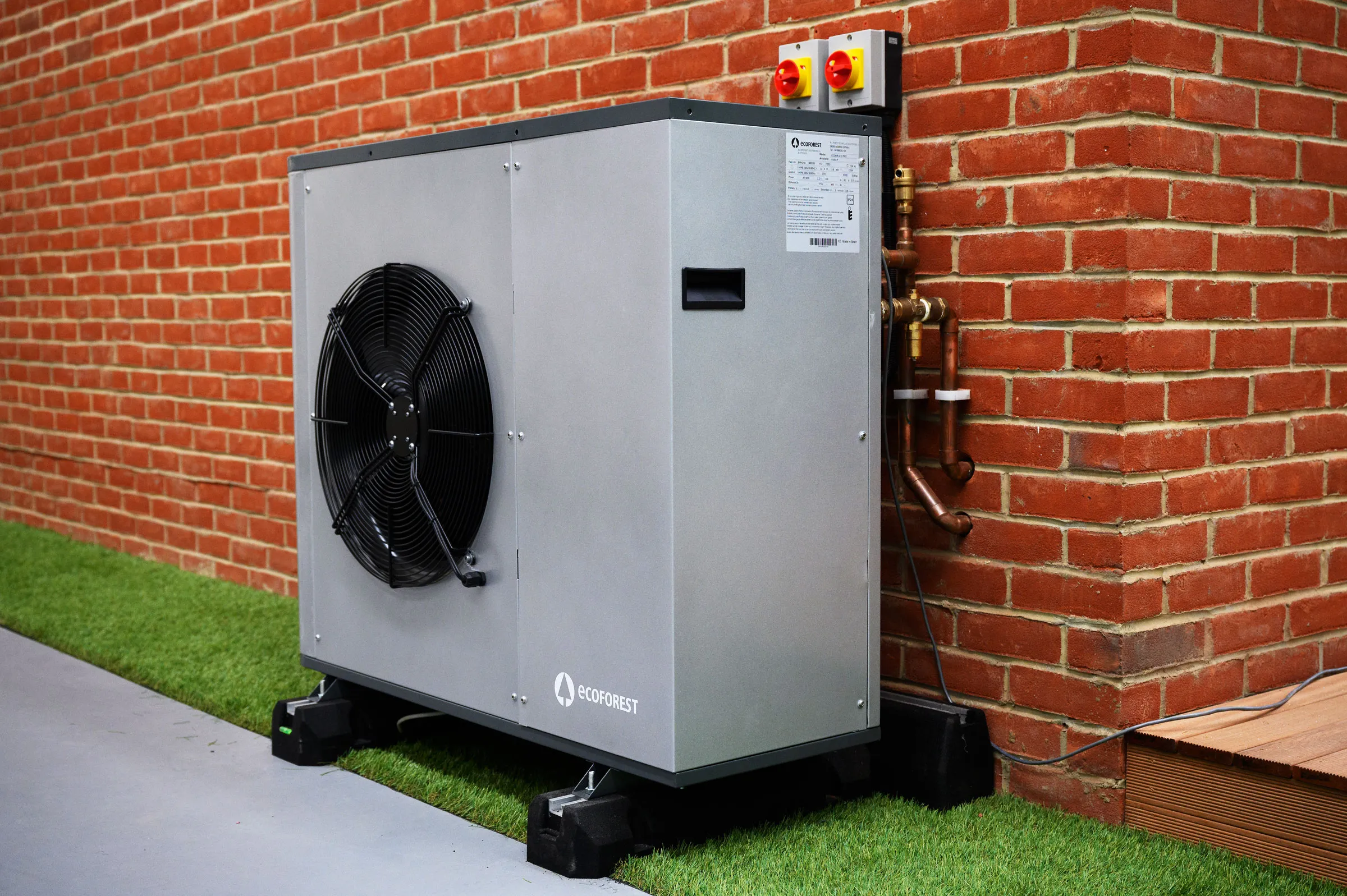
The homeowner of a 1930s semi-detached property in the Midlands contacted us due to frequent short cycling and noticeable operational noise from their newly installed 14kW air source heat pump. While the home was warm, the system appeared to be switching on and off excessively, raising concerns about long-term reliability and efficiency.
The client’s concern was whether the system had been correctly sized for the property’s actual heating demand.
Property & System Overview
Property: 3-bedroom semi-detached (1930s build)
Location: Midlands
Heat Pump: 14kW ASHP
Emitters: Radiators
Buffer Tank: Installed
Observed Issue: Short cycling and high energy usage
Initial Observations
Frequent compressor cycling is often a sign of mismatch between system capacity and building heat demand. In this case, the heat pump appeared to satisfy the heating load too quickly, resulting in repeated shutdown and restart cycles.
This not only reduces efficiency but can also shorten compressor lifespan over time.
Technical Findings
After reviewing heat loss calculations and system configuration, several concerns were identified:
Excessive System Capacity
The installed 14kW unit significantly exceeded the property’s calculated peak heat loss requirement.Low System Water Volume
Despite a buffer tank being present, system volume was insufficiently integrated to prevent rapid temperature rise and cycling.Control Strategy Not Optimised
The system was not configured to modulate effectively within the lower output range required by the property.
Impact on Performance
The oversized system resulted in:
Frequent compressor cycling
Reduced seasonal efficiency
Higher-than-necessary electricity consumption
Increased mechanical wear
Noticeable operational noise
Although heating demand was met, the system was not operating in a stable or efficient manner.
Corrective Strategy
Our recommendations focused on:
Re-evaluating heat load calculations
Adjusting control parameters to extend runtime and reduce cycling
Optimising pump speeds and delta-T settings
Reviewing buffer tank integration
Outcome
Following configuration adjustments:
Compressor cycling frequency reduced
Runtime stabilised
Operational noise decreased
Seasonal performance improved
The homeowner gained assurance that while the system was oversized, it could be optimised to perform more efficiently.

Contact Us

