Air Source vs Ground Source Heat Pump: Which Is Right for Your UK Home?
Air Source vs Ground Source Heat Pump: Which Is Right for Your UK Home?
Air Source vs Ground Source Heat Pump: Which Is Right for Your UK Home?
Air Source vs Ground Source Heat Pump: Which Is Right for Your UK Home?
Air Source vs Ground Source Heat Pump: Which Is Right for Your UK Home?

UK Heat pump Help Technical Team
Independent Heat Pump Engineer
If you're at the stage of deciding what kind of heat pump to install, this is usually the first real fork in the road. Air source and ground source heat pumps both do the same basic job, moving heat from outside your home to inside it, but how they do it, what they cost, and what they need from your property are genuinely different. Here's an honest, independent breakdown to help you work out which one actually fits your situation, rather than which one a particular installer happens to sell.
Key Takeaways
Air source heat pumps are cheaper to install, typically £8,000 to £15,000 before grants, and work for the vast majority of UK homes.
Ground source heat pumps cost considerably more, often £20,000 to £45,000 or beyond depending on whether horizontal trenching or vertical boreholes are needed, but tend to run more efficiently.
Both currently qualify for the same core £7,500 Boiler Upgrade Scheme grant in England and Wales, which narrows the cost gap but doesn't close it.
Ground source needs significant outdoor space (for trenching) or the ability to drill boreholes, air source just needs a small area of wall or ground outside.
For most UK homes, air source is the practical answer. Ground source earns its higher cost mainly on larger properties with the space and budget to make the efficiency gain worthwhile.
How Each Type Actually Works
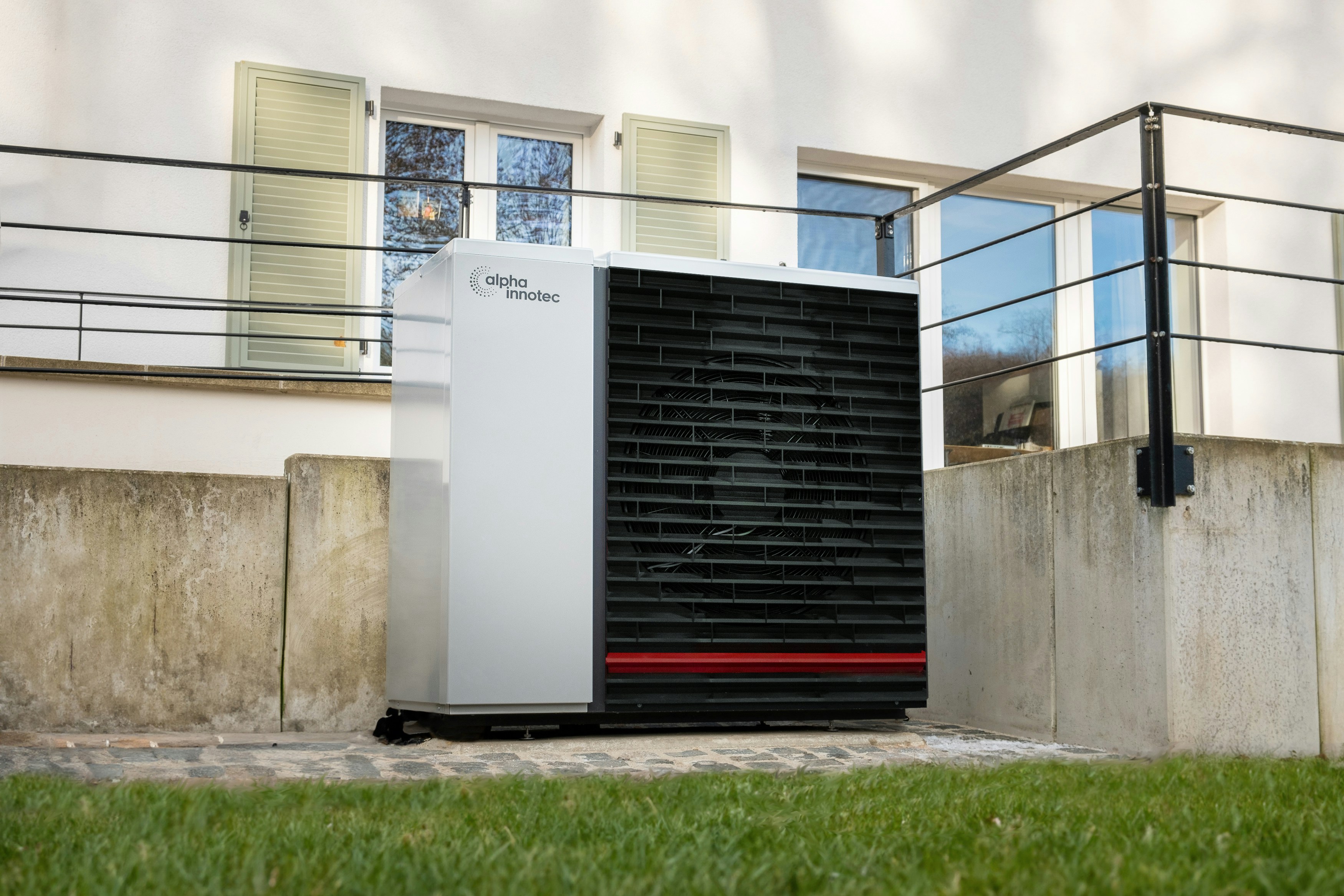
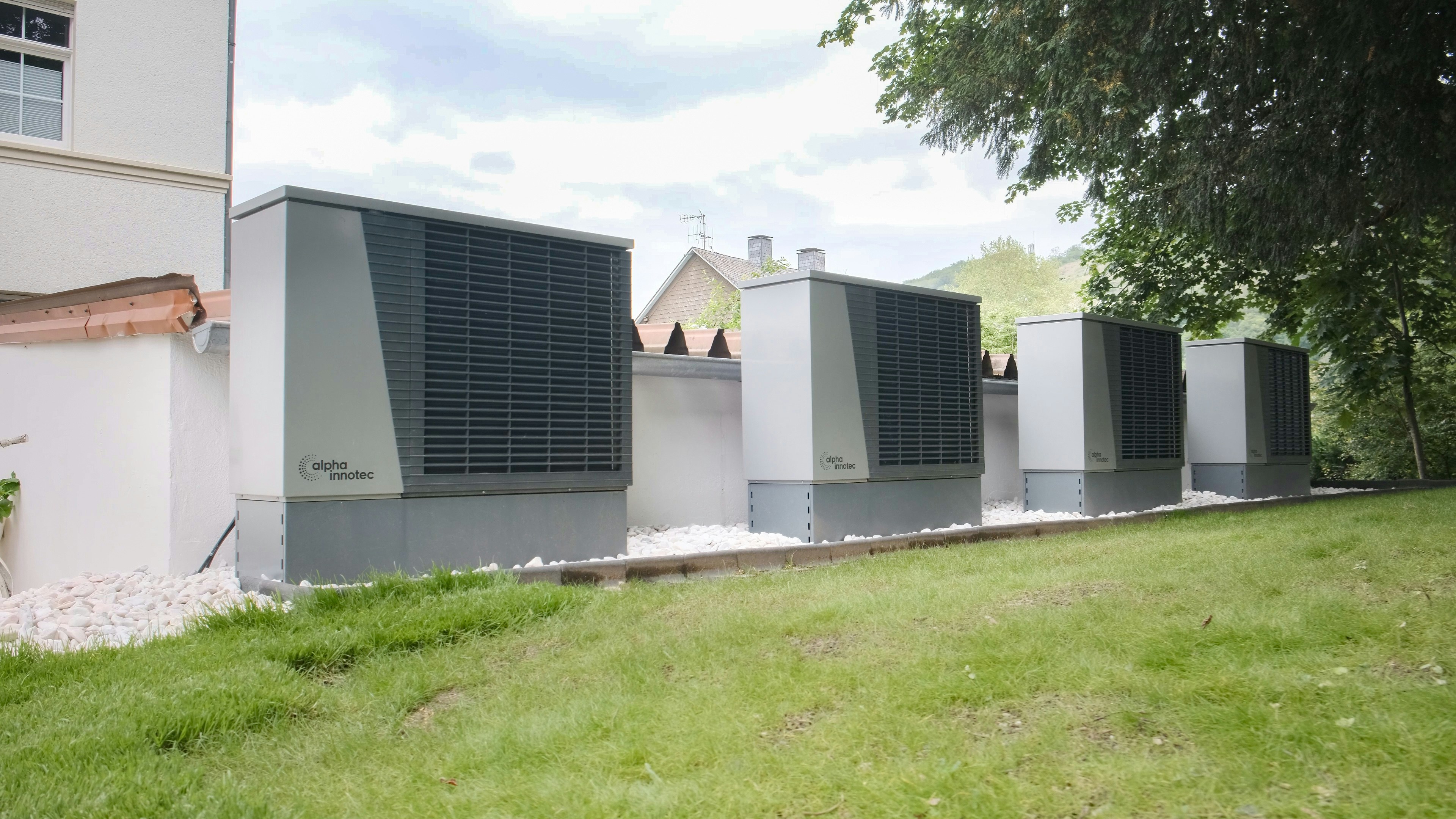
Air source heat pumps extract heat from the outside air, even when it's cold, and use a refrigerant cycle to upgrade that heat to a usable temperature for your home. The outdoor unit you've probably seen outside houses is the air source heat pump itself, it needs airflow around it but very little else in terms of space.
Ground source heat pumps extract heat from the ground instead, either through pipes laid horizontally in trenches across a large area of garden, or through one or more vertical boreholes drilled deep underground where space is limited. Ground temperature stays far more stable through the year than air temperature does, generally sitting around 10 to 12°C regardless of what's happening above ground, which is the whole reason ground source systems tend to run more efficiently.
Cost Comparison: Installation
Air Source | Ground Source | |
|---|---|---|
Typical installed cost (before grant) | £8,000 to £15,000 | £20,000 to £45,000+ |
After £7,500 Boiler Upgrade Scheme grant | £500 to £7,500 | £12,500 to £37,500+ |
Main cost driver | Property size, system complexity | Ground works (trenching or boreholes), on top of the unit itself |
The gap here is significant, and it's the single biggest reason most UK homeowners end up choosing air source. Ground source isn't just a more expensive unit, the ground works themselves, trenching a large area of garden or drilling boreholes, often make up a substantial part of the total cost.
Efficiency and Running Costs
Ground source systems generally achieve a higher COP (coefficient of performance) and SCOP (seasonal coefficient of performance) than air source systems, often somewhere in the 3.5 to 4+ range compared to roughly 2.8 to 3.5 for a well-installed air source system. The reason comes back to that stable ground temperature, an air source unit has to work considerably harder to extract heat from freezing outside air in January than a ground source system does pulling from ground that's still sitting around 10°C.
In practical terms, this means a ground source system typically costs less to run month to month once installed. Whether that running cost saving is enough to justify the much higher upfront cost depends heavily on your specific property, how much heating you actually need, and how long you plan to stay in the home, since the payback period on the extra ground source cost can run into many years.
Space and Suitability
This is often the deciding factor before cost even comes into it, simply because not every property has the option.
Air source needs very little, just a reasonably clear spot of wall or ground outside with airflow around the unit, and ideally some distance from windows and neighbouring boundaries for noise reasons.
Ground source needs either a large area of garden for horizontal trenching, generally a significant multiple of your home's floor area, or the ability to drill one or more vertical boreholes if garden space is limited. This immediately rules ground source out for a lot of smaller properties, terraced houses, and homes without meaningful outdoor space, regardless of budget.
If you're not sure whether your property could realistically support a ground source system, this is exactly the kind of question an independent pre-installation design review should answer honestly before you spend time getting ground source quotes that may not be viable for your plot.
Noise
Worth knowing if a quiet garden matters to you: ground source systems are considerably quieter than air source ones, since there's no outdoor fan unit running continuously, the main working parts typically sit indoors or underground. If noise is a genuine concern for your property, particularly in a terraced house with close neighbours, this is one of ground source's real advantages, though as we've covered in our guide to heat pump noise levels, a well-sited air source unit is rarely as loud as people expect either.
Lifespan
Ground source systems also tend to last longer. As we've covered in detail in our guide to heat pump lifespan, air source units typically last 10 to 20 years, while ground source units often reach 20 to 25 years, with the underground pipework itself frequently lasting 50 years or more. This is partly why the higher upfront cost of ground source can make more sense over a longer time horizon, you're not just paying for better efficiency, you're paying for a system that's likely to need replacing less often.
Grants: Does It Matter Which You Choose?
Less than you might think. In England and Wales, the Boiler Upgrade Scheme currently provides £7,500 toward either an air source or a ground source heat pump installation, the grant amount itself doesn't favour one type over the other. Since ground source installations cost considerably more overall, the grant covers a smaller proportion of the total cost for ground source than it does for air source, but it's available either way. Scotland runs a separate scheme through Home Energy Scotland rather than the Boiler Upgrade Scheme. Grant schemes and eligibility do shift over time, so it's worth checking the current rules before budgeting around a specific figure.
A Simple Way to Decide
If most of the following apply to you, air source is very likely the right fit:
A standard semi-detached, terraced, or smaller detached property
Limited garden space
Budget is a significant factor
You want the simplest, most widely available option with the most installer choice
If most of the following apply to you, ground source is worth seriously considering:
A larger property with substantial garden space or land
You're building new or doing major renovation work where ground works are easier to justify
You're planning to stay in the property long-term, making the payback period worthwhile
Noise is a genuine priority for your specific situation
Budget allows for the considerably higher upfront cost
Frequently Asked Questions
Is ground source always more efficient than air source? Generally yes, due to the more stable ground temperature, but the actual efficiency you get from either system depends heavily on correct sizing and installation quality. A poorly installed ground source system can still underperform a well-installed air source one.
Can I switch from air source to ground source later? Technically yes, but it means a second full installation with all the associated ground works and cost, it's not a simple upgrade. Worth thinking through properly at the outset if ground source is even a possibility for your property.
Do both types work with underfloor heating? Yes, both pair well with underfloor heating for the same reason, both are designed to run at lower flow temperatures that suit underfloor systems particularly well.
Is a water source heat pump a third option worth knowing about? Yes, water source heat pumps extract heat from a suitable water source such as a lake, river or borehole water, and share many characteristics with ground source systems, stable source temperature, higher efficiency, but they're only viable for a small number of UK properties with suitable access to water, so they're a less common choice than either air or ground source.
If you're at the stage of deciding what kind of heat pump to install, this is usually the first real fork in the road. Air source and ground source heat pumps both do the same basic job, moving heat from outside your home to inside it, but how they do it, what they cost, and what they need from your property are genuinely different. Here's an honest, independent breakdown to help you work out which one actually fits your situation, rather than which one a particular installer happens to sell.
Key Takeaways
Air source heat pumps are cheaper to install, typically £8,000 to £15,000 before grants, and work for the vast majority of UK homes.
Ground source heat pumps cost considerably more, often £20,000 to £45,000 or beyond depending on whether horizontal trenching or vertical boreholes are needed, but tend to run more efficiently.
Both currently qualify for the same core £7,500 Boiler Upgrade Scheme grant in England and Wales, which narrows the cost gap but doesn't close it.
Ground source needs significant outdoor space (for trenching) or the ability to drill boreholes, air source just needs a small area of wall or ground outside.
For most UK homes, air source is the practical answer. Ground source earns its higher cost mainly on larger properties with the space and budget to make the efficiency gain worthwhile.
How Each Type Actually Works
Air source heat pumps extract heat from the outside air, even when it's cold, and use a refrigerant cycle to upgrade that heat to a usable temperature for your home. The outdoor unit you've probably seen outside houses is the air source heat pump itself, it needs airflow around it but very little else in terms of space.
Ground source heat pumps extract heat from the ground instead, either through pipes laid horizontally in trenches across a large area of garden, or through one or more vertical boreholes drilled deep underground where space is limited. Ground temperature stays far more stable through the year than air temperature does, generally sitting around 10 to 12°C regardless of what's happening above ground, which is the whole reason ground source systems tend to run more efficiently.
Cost Comparison: Installation
Air Source | Ground Source | |
|---|---|---|
Typical installed cost (before grant) | £8,000 to £15,000 | £20,000 to £45,000+ |
After £7,500 Boiler Upgrade Scheme grant | £500 to £7,500 | £12,500 to £37,500+ |
Main cost driver | Property size, system complexity | Ground works (trenching or boreholes), on top of the unit itself |
The gap here is significant, and it's the single biggest reason most UK homeowners end up choosing air source. Ground source isn't just a more expensive unit, the ground works themselves, trenching a large area of garden or drilling boreholes, often make up a substantial part of the total cost.
Efficiency and Running Costs
Ground source systems generally achieve a higher COP (coefficient of performance) and SCOP (seasonal coefficient of performance) than air source systems, often somewhere in the 3.5 to 4+ range compared to roughly 2.8 to 3.5 for a well-installed air source system. The reason comes back to that stable ground temperature, an air source unit has to work considerably harder to extract heat from freezing outside air in January than a ground source system does pulling from ground that's still sitting around 10°C.
In practical terms, this means a ground source system typically costs less to run month to month once installed. Whether that running cost saving is enough to justify the much higher upfront cost depends heavily on your specific property, how much heating you actually need, and how long you plan to stay in the home, since the payback period on the extra ground source cost can run into many years.
Space and Suitability
This is often the deciding factor before cost even comes into it, simply because not every property has the option.
Air source needs very little, just a reasonably clear spot of wall or ground outside with airflow around the unit, and ideally some distance from windows and neighbouring boundaries for noise reasons.
Ground source needs either a large area of garden for horizontal trenching, generally a significant multiple of your home's floor area, or the ability to drill one or more vertical boreholes if garden space is limited. This immediately rules ground source out for a lot of smaller properties, terraced houses, and homes without meaningful outdoor space, regardless of budget.
If you're not sure whether your property could realistically support a ground source system, this is exactly the kind of question an independent pre-installation design review should answer honestly before you spend time getting ground source quotes that may not be viable for your plot.
Noise
Worth knowing if a quiet garden matters to you: ground source systems are considerably quieter than air source ones, since there's no outdoor fan unit running continuously, the main working parts typically sit indoors or underground. If noise is a genuine concern for your property, particularly in a terraced house with close neighbours, this is one of ground source's real advantages, though as we've covered in our guide to heat pump noise levels, a well-sited air source unit is rarely as loud as people expect either.
Lifespan
Ground source systems also tend to last longer. As we've covered in detail in our guide to heat pump lifespan, air source units typically last 10 to 20 years, while ground source units often reach 20 to 25 years, with the underground pipework itself frequently lasting 50 years or more. This is partly why the higher upfront cost of ground source can make more sense over a longer time horizon, you're not just paying for better efficiency, you're paying for a system that's likely to need replacing less often.
Grants: Does It Matter Which You Choose?
Less than you might think. In England and Wales, the Boiler Upgrade Scheme currently provides £7,500 toward either an air source or a ground source heat pump installation, the grant amount itself doesn't favour one type over the other. Since ground source installations cost considerably more overall, the grant covers a smaller proportion of the total cost for ground source than it does for air source, but it's available either way. Scotland runs a separate scheme through Home Energy Scotland rather than the Boiler Upgrade Scheme. Grant schemes and eligibility do shift over time, so it's worth checking the current rules before budgeting around a specific figure.
A Simple Way to Decide
If most of the following apply to you, air source is very likely the right fit:
A standard semi-detached, terraced, or smaller detached property
Limited garden space
Budget is a significant factor
You want the simplest, most widely available option with the most installer choice
If most of the following apply to you, ground source is worth seriously considering:
A larger property with substantial garden space or land
You're building new or doing major renovation work where ground works are easier to justify
You're planning to stay in the property long-term, making the payback period worthwhile
Noise is a genuine priority for your specific situation
Budget allows for the considerably higher upfront cost
Frequently Asked Questions
Is ground source always more efficient than air source? Generally yes, due to the more stable ground temperature, but the actual efficiency you get from either system depends heavily on correct sizing and installation quality. A poorly installed ground source system can still underperform a well-installed air source one.
Can I switch from air source to ground source later? Technically yes, but it means a second full installation with all the associated ground works and cost, it's not a simple upgrade. Worth thinking through properly at the outset if ground source is even a possibility for your property.
Do both types work with underfloor heating? Yes, both pair well with underfloor heating for the same reason, both are designed to run at lower flow temperatures that suit underfloor systems particularly well.
Is a water source heat pump a third option worth knowing about? Yes, water source heat pumps extract heat from a suitable water source such as a lake, river or borehole water, and share many characteristics with ground source systems, stable source temperature, higher efficiency, but they're only viable for a small number of UK properties with suitable access to water, so they're a less common choice than either air or ground source.



Contact Us
Not Sure Which Service You Need?
Not Sure Which Service You Need?
Not Sure Which Service You Need?
Not Sure Which Service You Need?
Not Sure Which Service You Need?
Whether you need help with an existing heat pump, a pre-installation review, cooling advice, servicing or a room-by-room heat loss survey, send us a few details and we'll point you in the right direction.
Whether you need help with an existing heat pump, a pre-installation review, cooling advice, servicing or a room-by-room heat loss survey, send us a few details and we'll point you in the right direction.
Whether you need help with an existing heat pump, a pre-installation review, cooling advice, servicing or a room-by-room heat loss survey, send us a few details and we'll point you in the right direction.

