Heat Pump Compressor Failure: Signs, Causes and What to Do (UK Guide)
Heat Pump Compressor Failure: Signs, Causes and What to Do (UK Guide)
Heat Pump Compressor Failure: Signs, Causes and What to Do (UK Guide)
Heat Pump Compressor Failure: Signs, Causes and What to Do (UK Guide)
Heat Pump Compressor Failure: Signs, Causes and What to Do (UK Guide)

UK Heat pump Help Technical Team
Independent Heat Pump Engineer
If your heat pump has stopped heating your home, the compressor is often the first thing people fear. It is the most important mechanical component in the system, and a replacement can be one of the most expensive repairs you will face. The good news is that many “compressor failure” scares turn out to be something else entirely.
This guide explains what the compressor does, the warning signs of a genuine problem, what usually causes failure, and how to decide between repairing and replacing.
What Does a Heat Pump Compressor Do?
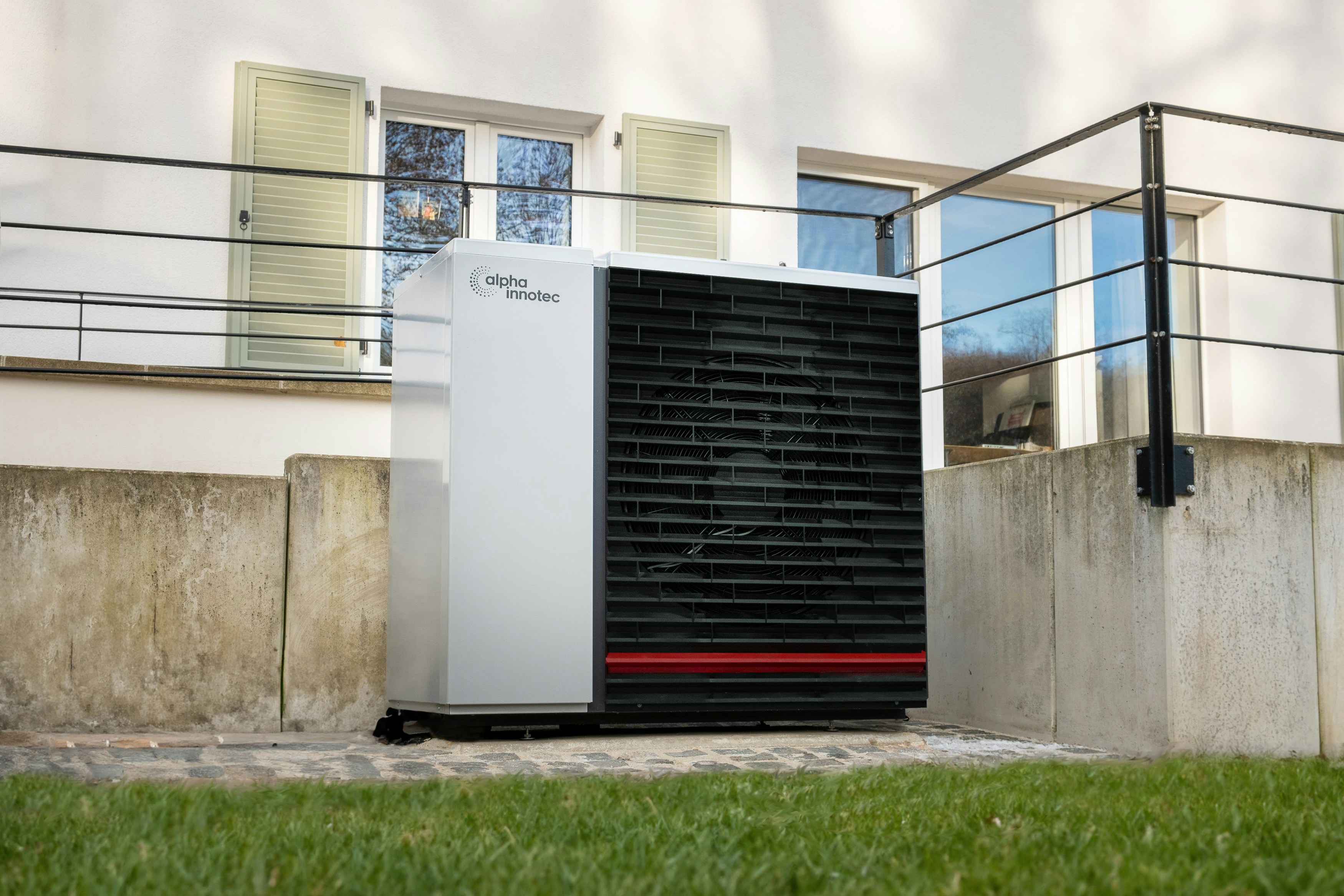
An air source heat pump moves heat from outside air into your home using a refrigerant circuit. The compressor is the pump at the centre of that circuit. It squeezes the refrigerant gas so its temperature rises, and this is what allows low-grade heat from cold outdoor air to be delivered to your radiators, underfloor heating and hot water cylinder.
Most modern UK heat pumps use inverter-driven compressors. These speed up and slow down to match demand rather than switching fully on and off. That makes them efficient, but it also means they rely on a control board, sensors and electronics that can develop faults of their own.
If the compressor stops working, the outdoor unit may still power up and the fan may spin, but no useful heat will reach your home.
Warning Signs of a Failing Heat Pump Compressor
Compressors rarely fail without warning. Watch for these symptoms.
1. A compressor-related fault code. Many manufacturers display codes for high discharge temperature, compressor overload, start-up failure or inverter faults. Our guide to common heat pump fault codes explains how to read them. A single code is not proof of failure, but repeated or persistent codes deserve attention.
2. The unit tries to start, then stops. If you hear the outdoor unit begin to start and then cut out, over and over, the compressor may be struggling to start or tripping on protection.
3. The fan runs but there is no heat. If the outdoor fan is spinning but your radiators stay cold or lukewarm, the compressor may not be running at all.
4. Unusual noises. Grinding, rattling, loud humming or a harsh metallic sound that is different from the normal operating noise can point to mechanical wear. If you are unsure what is normal, see our guide to heat pump noise levels.
5. The breaker keeps tripping. Electrical faults inside a compressor can trip the RCD or MCB at your consumer unit. We cover this in why a heat pump keeps tripping the breaker.
6. Rising electricity use with less heat. A compressor that is wearing out can draw more power while delivering less output. If your bills are climbing without a clear reason, read why your heat pump may be using too much electricity before assuming the worst.
7. Heating or hot water slowly getting worse. A gradual decline over weeks can indicate an emerging problem, whereas a sudden stop usually points to something electrical.
Is It Really the Compressor? Check These First
Compressor failure is the most expensive explanation for a heat pump that isn’t working, so rule out the simpler ones first. In our experience, the heat pump itself is not always the problem. Design, controls, settings and the wider heating system often play a part.
Before assuming the compressor has failed, consider:
A closed zone valve or failed diverter valve. The heat pump may have a demand but nowhere to send the heat. Our case study, Three Companies Declined the Job – The Problem Wasn’t the Heat Pump, shows exactly this. See also diverter valve problems.
Low flow or air in the system. Protection routines can stop the compressor to protect it. Read about air in a heat pump system.
A power supply or tripped isolator. It sounds obvious, but it happens. Our guide on what to check before calling an engineer is a good starting point.
A temporary protection lockout. After a fault, some units lock out for a period before they will restart.
Defrost behaviour. A unit that pauses during defrosting is not failing. See why heat pumps defrost.
Important: Do not repeatedly reset a unit that keeps faulting. Each failed restart puts extra strain on the compressor. If it will not run after one or two sensible checks, stop and get it diagnosed.
The Most Common Causes of Compressor Failure
Refrigerant leaks and low charge
Refrigerant carries oil back to the compressor to keep it lubricated. If the charge drops because of a leak, the compressor can overheat and wear out. See our guide to heat pump refrigerant leaks for signs and next steps. In the UK, work on the refrigerant circuit must be carried out by a suitably qualified F-Gas registered engineer.
Short cycling
When a heat pump repeatedly starts and stops, the compressor is subjected to far more start-up stress than it was designed for. Common triggers include oversizing, over-zoning and poor controls. Our short cycling guide and the case study on a zoning design issue that increased running costs show how a design problem can quietly shorten a compressor’s life.
Oversizing
A heat pump that is too big for the house tends to cycle on and off rather than modulate smoothly. Read what happens if a heat pump is oversized and why installer heat loss estimates get sizing wrong.
Overheating and restricted airflow
Blocked fins, leaves, debris, snow or poor siting can reduce airflow across the outdoor unit. The compressor then has to work harder and runs hotter. See how much space you need around an outdoor heat pump and where an outdoor unit should go.
Electrical faults
Failed capacitors, inverter board faults, power surges or loose connections can all stop a compressor from running even when the mechanical parts are healthy. These are sometimes repairable without replacing the compressor itself.
Poor installation or commissioning
Incorrect pipework, poor vacuuming of the refrigerant circuit, or poor settings at handover can cause problems that only show up months later. Our article on heat pump problems after installation explains who is responsible and what your options are.
Lack of servicing
Dirty coils, unchecked pressures and unnoticed warning signs all shorten equipment life. See what happens if you don’t service your heat pump.
Age and normal wear
Like any mechanical component, compressors wear out eventually. For typical lifespans, see how long heat pumps last.
What Should You Do If You Suspect Compressor Failure?
Switch off and note what happened. Write down any fault codes, noises, tripped breakers and when the problem started. Photos of the controller display help enormously.
Check the basics. Confirm the isolator, consumer unit and controller settings, and make sure the outdoor unit is clear of debris.
Do not keep resetting it. Repeated restart attempts can turn a repairable fault into a failed compressor.
Check your warranty before anyone touches the unit. Many manufacturers cover compressors for longer than other components, but conditions apply. Our guide to heat pump warranties in the UK explains what can void cover, including missed servicing.
Get an independent diagnosis. Before agreeing to a costly replacement, make sure the diagnosis is based on measurements and evidence rather than guesswork.
Repair or Replace the Compressor?
This is the question most homeowners face once failure is confirmed.
Repair or replacement of the compressor may make sense when:
The heat pump is relatively new
It is still under warranty
The cause of failure has been identified and fixed
The rest of the system is in good condition
Replacing the whole heat pump may be worth considering when:
The unit is old and nearing the end of its expected life
Compressor replacement would cost a large share of a new unit
The system was badly sized or designed in the first place
Spare parts are hard to source
A crucial point: replacing a compressor without fixing the cause is a waste of money. If short cycling, low flow or a poor design killed the first compressor, it can kill the second. For a deeper look at costs, see heat pump repair costs in the UK and heat pump replacement cost: repair or replace?.
How to Protect Your Compressor and Extend Its Life
Service the system every year. Read how often a heat pump should be serviced and what a service should include.
Make sure the system is correctly designed. Accurate heat loss calculations and sound system design are the best long-term protection.
Keep the outdoor unit clear. Our winter maintenance checklist covers the essentials before cold weather.
Look after the water side. Dirty or poorly treated water affects flow and efficiency. See heat pump water treatment.
Optimise the settings. Poor flow temperatures and controls make the compressor work harder than necessary. Our guide to heat pump optimisation lists seven signs your system needs attention.
Final Thoughts
A suspected compressor failure is worrying, but it is not always what it seems, and even when it is, the cause matters as much as the cure. A proper diagnosis looks at the whole system, not just the outdoor unit.
If your heat pump has stopped working or is showing warning signs, our team can help, with remote diagnosis UK-wide and engineer visits across Essex, Suffolk and parts of Norfolk.


Nov 13, 2026
5 min read
Can You Cool Your Home Through Underfloor Heating? And Does It Actually Work?
Read More
Nov 13, 2026
5 min read
Can You Cool Your Home Through Underfloor Heating? And Does It Actually Work?
Read More
Nov 13, 2026
5 min read
Can You Cool Your Home Through Underfloor Heating? And Does It Actually Work?
Read More
Nov 12, 2026
5 min read
Heat Pump Compressor Failure: Signs, Causes and What to Do (UK Guide)
Read More
Nov 12, 2026
5 min read
Heat Pump Compressor Failure: Signs, Causes and What to Do (UK Guide)
Read More
Nov 12, 2026
5 min read
Heat Pump Compressor Failure: Signs, Causes and What to Do (UK Guide)
Read More



Contact Us
Still having heat pump problems? Talk to an engineer today.
Still having heat pump problems? Talk to an engineer today.
Still having heat pump problems? Talk to an engineer today.
Still having heat pump problems? Talk to an engineer today.
Still having heat pump problems? Talk to an engineer today.
Whether you're planning an installation, need a repair or service, or want independent advice, tell us what's happening and we'll point you in the right direction.
Whether you're planning an installation, need a repair or service, or want independent advice, tell us what's happening and we'll point you in the right direction.
Whether you're planning an installation, need a repair or service, or want independent advice, tell us what's happening and we'll point you in the right direction.

