Best Thermostat Settings for a Heat Pump (UK Guide for Lower Bills & Better Heating)
Dec 5, 2025
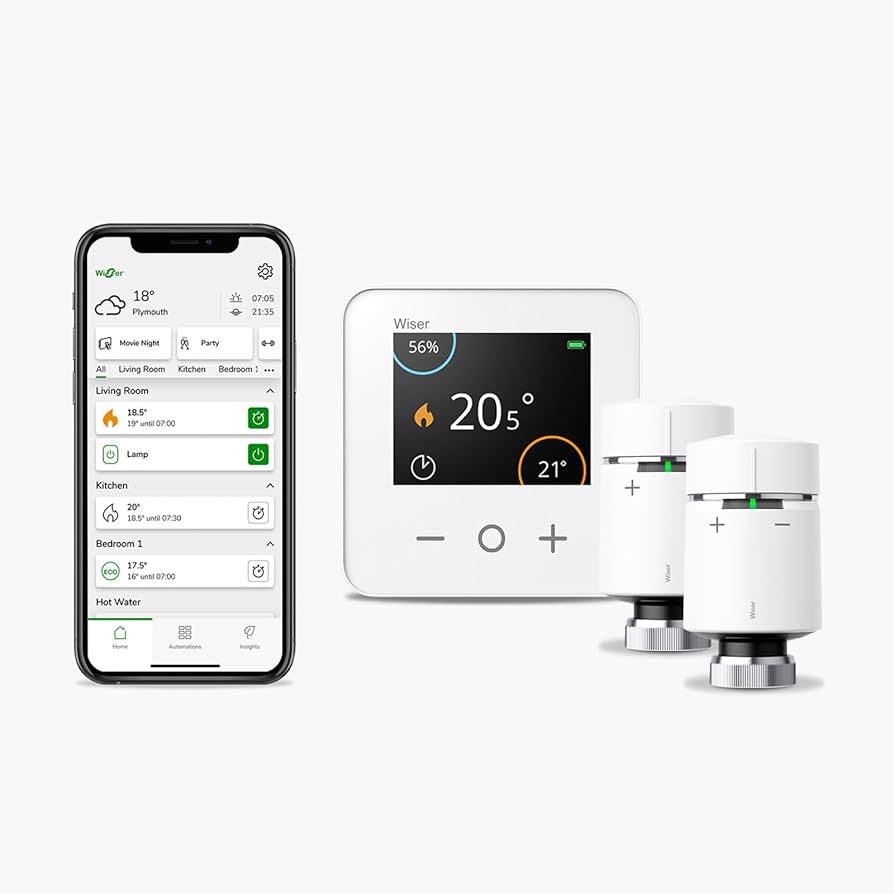
🔧 1. Heat Pumps Work Differently to Boilers
Traditional boilers are designed to heat a house quickly in short bursts.
Heat pumps are different.
They work best when:
Running for long periods
Maintaining a steady temperature
Operating at lower flow temperatures
👉 This means your thermostat should not be used in the same way as a gas boiler.
🌡️ 2. Best Room Temperature Settings
As a general guide:
Living areas: 20–21°C
Bedrooms: 18–20°C
Hallways: 16–18°C
👉 The key is consistency — not big changes throughout the day.
⏱️ 3. Should You Turn It Off at Night or When You’re Out?
In most cases: No
Turning the system off completely means:
The house cools down
The heat pump has to work harder to reheat it
Efficiency drops
Instead:
Reduce temperature by 1–2°C maximum
Let the system “tick over”
👉 Heat pumps are designed to maintain, not recover.
⚙️ 4. Avoid Large Temperature Changes
One of the biggest mistakes:
❌ Setting 16°C during the day
❌ Then 21°C in the evening
This forces the heat pump to run flat out, often at higher flow temperatures, which:
Reduces efficiency
Increases running costs
👉 Aim for small, steady adjustments only.
🌦️ 5. Use Weather Compensation (If Available)
Many systems have weather compensation enabled.
This means:
The heat pump adjusts flow temperature automatically based on outdoor temperature
👉 Your thermostat should then act as a limit, not the main control.
If set up correctly:
The system runs more efficiently
Rooms stay more stable
🔥 6. Thermostats vs Radiator Valves (TRVs)
In many heat pump systems:
The main thermostat controls the system
TRVs fine-tune individual rooms
However:
❌ Closing too many radiators can reduce system performance
❌ Can cause short cycling or poor flow rates
👉 Ideally:
Keep most radiators open
Use small adjustments only
⚠️ 7. Signs Your Settings Are Wrong
You may need adjustments if:
Heat pump runs constantly but house is still cold
Electricity bills are higher than expected
Radiators feel lukewarm
System frequently turns on and off
💡 8. Real-World Tip
In many of the systems we review, simply adjusting thermostat use and flow temperatures can significantly improve performance without any physical changes to the system.
Need Help Setting Your System Up Properly?
If you’re unsure whether your thermostat and controls are set correctly, we offer a Controller Configuration Review.
You’ll receive:
Clear, simple instructions tailored to your system
Recommended temperature and control settings
Guidance on how to run your system efficiently
👉 No jargon — just straightforward steps you can follow.
Recent
Should I Get a Heat Pump in the UK? (Honest Advice Before You Decide)
Mar 31, 2026
How to Set Weather Compensation on a Heat Pump (UK Guide)
Mar 29, 2026
Why Is My Heat Pump Using So Much Electricity? (UK Guide to High Bills)
Mar 27, 2026
Common Commissioning Mistakes With Air Source Heat Pumps (UK Guide)
Mar 25, 2026
What Size Heat Pump Does My House Need? (UK Guide to Correct Sizing)
Mar 23, 2026

Contact Us

