Should I Get a Heat Pump in the UK? (Honest Advice Before You Decide)
Dec 5, 2025
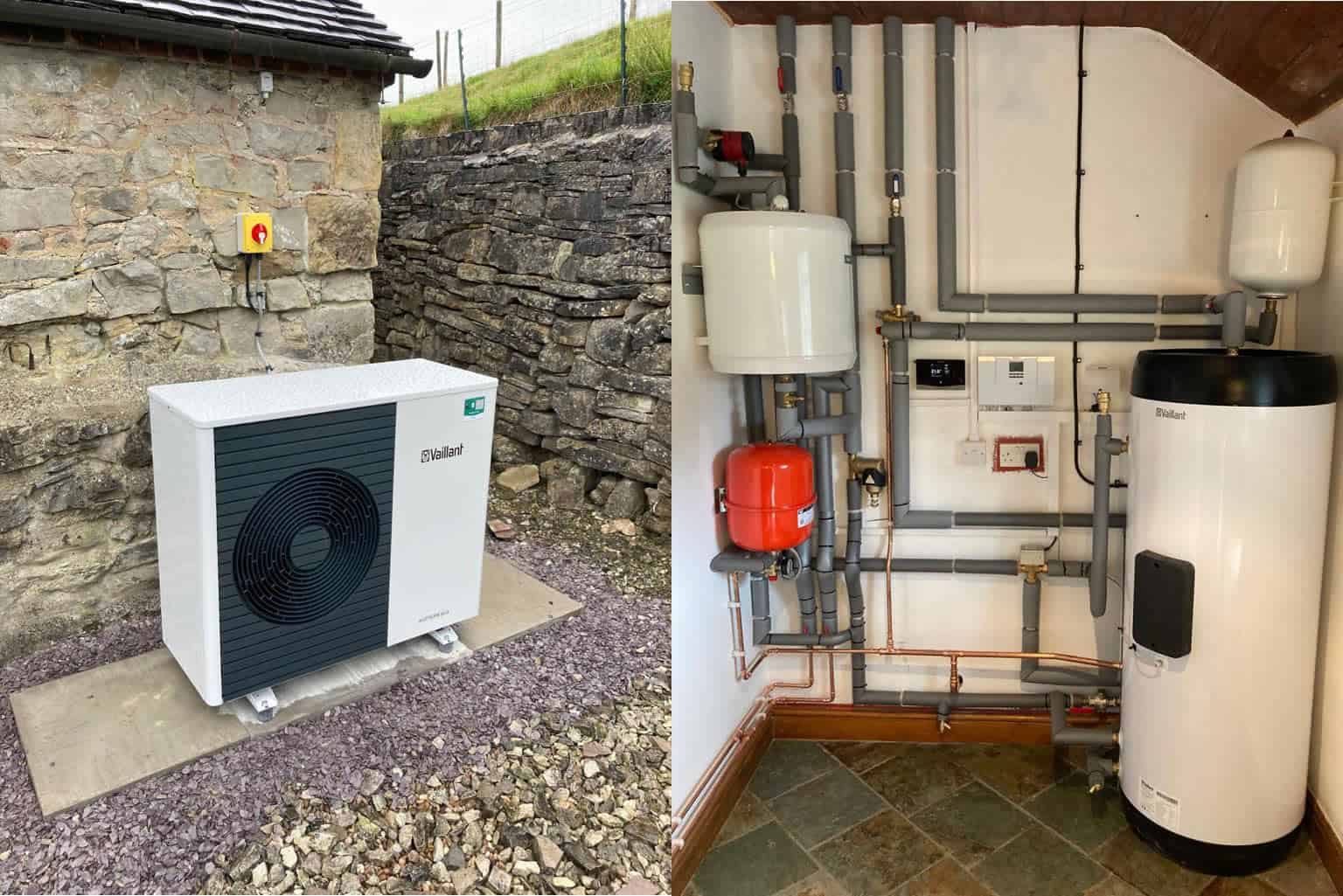
Many homeowners are now considering heat pumps as an alternative to gas or oil heating. With rising energy costs and government incentives, they’re becoming more common — but they are not suitable for every property, and they are often installed incorrectly.
Before committing to a heat pump installation, it’s important to understand how they work, when they perform well, and where things commonly go wrong.
When a Heat Pump Works Well
Heat pumps can work very efficiently when the system is designed properly. In the right conditions, they provide steady, comfortable heating at a lower running cost than traditional systems.
A heat pump is more likely to perform well when:
The property is reasonably well insulated
A proper room-by-room heat loss calculation has been completed
Radiators (or underfloor heating) are correctly sized for lower temperatures
The system is designed to run at an appropriate flow temperature
Controls are set up specifically for heat pump operation
When these factors are considered properly, heat pumps can deliver consistent and efficient heating.
Where Heat Pump Installations Go Wrong
We regularly review systems where homeowners are unhappy with performance. In most cases, the issue is not the heat pump itself — it’s the design or setup.
Common problems include:
Radiators that are too small for low-temperature heating
Systems designed with incorrect flow temperatures
Heat loss calculations that are inaccurate or missing
Controls set up like a traditional boiler system
Poor system layouts or incorrect component selection
These issues often lead to:
The heat pump running constantly
High electricity bills
Rooms not reaching temperature
General dissatisfaction with the system
The Biggest Mistake Homeowners Make
The most common mistake is assuming the installation design is correct without question.
Most installers will follow a process, but not all designs are thoroughly checked or optimised — especially on busy projects or where multiple trades are involved.
Once the system is installed, correcting design issues can be difficult and expensive.
What You Should Check Before Installing a Heat Pump
Before going ahead with any installation, it’s worth making sure the following have been properly considered:
A full room-by-room heat loss calculation
Radiator outputs matched to lower flow temperatures
A realistic and efficient system design temperature
Cylinder sizing and hot water strategy
Overall system layout and pipework approach
These are the factors that determine whether a system performs well long term.
Independent Pre-Installation Review
Before committing to a heat pump installation, we offer an independent technical review of your proposed system.
This includes:
Checking system sizing
Reviewing radiator suitability
Assessing flow temperatures and efficiency
Highlighting potential design issues before installation
The aim is to give you a clear, unbiased view of whether the system is likely to perform as expected — before any work begins.
👉 Start your pre-install review
Final Thoughts
Heat pumps can work extremely well when designed and installed correctly. However, small design decisions can have a big impact on performance.
Taking the time to review the system properly before installation can help avoid common issues and ensure the system delivers the results you expect.
Recent
Should I Get a Heat Pump in the UK? (Honest Advice Before You Decide)
Mar 31, 2026
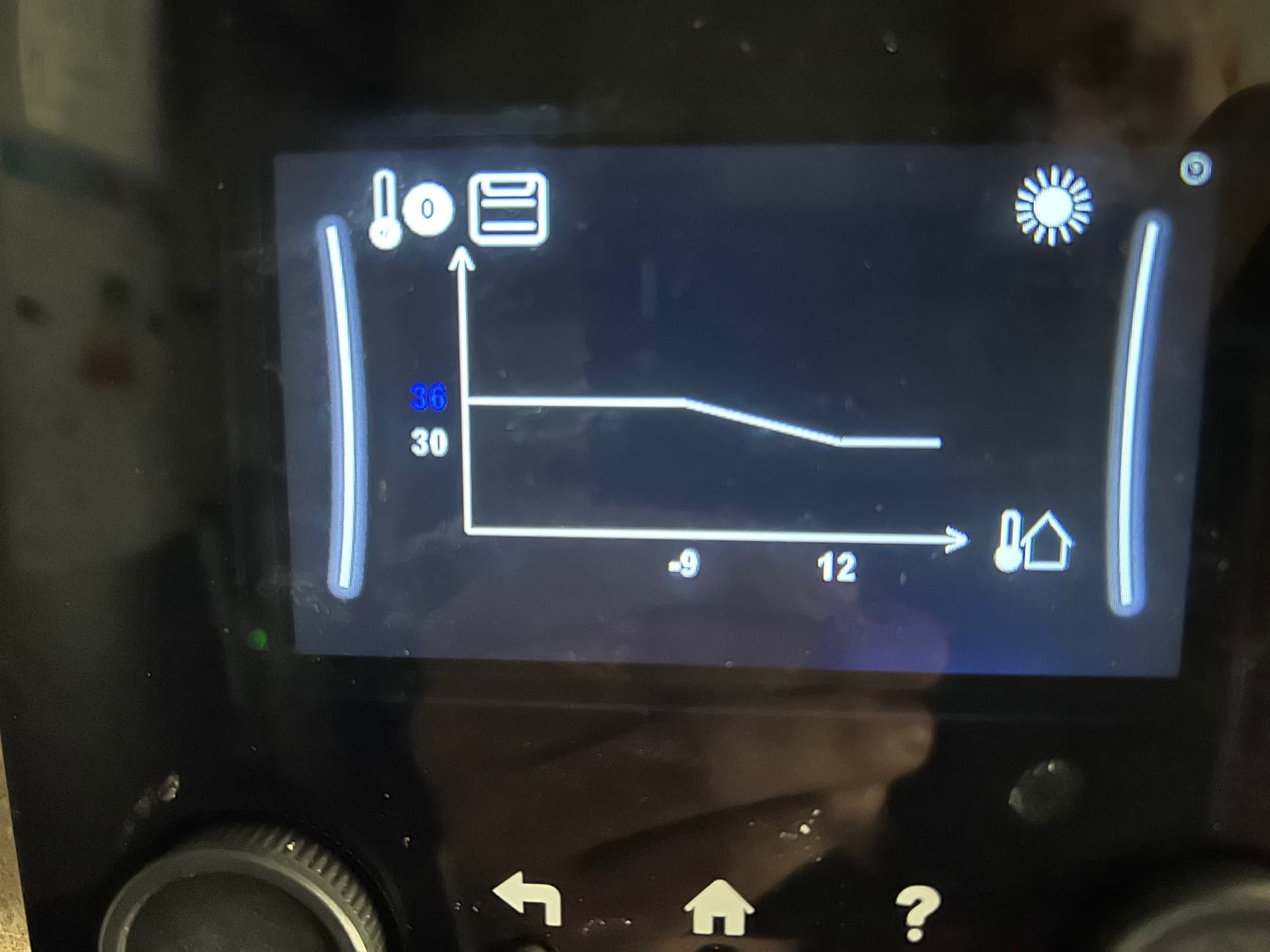
How to Set Weather Compensation on a Heat Pump (UK Guide)
Mar 29, 2026
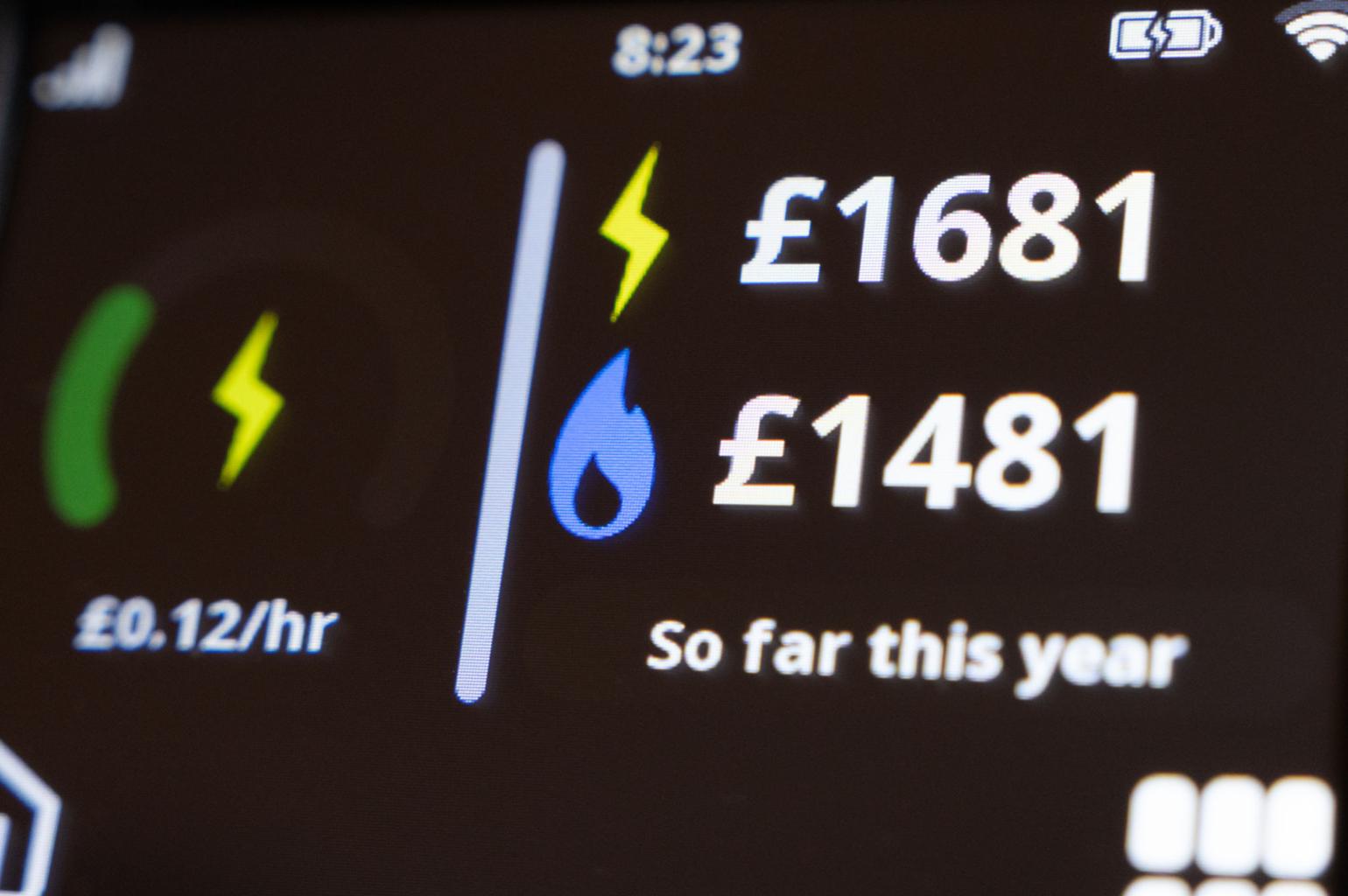
Why Is My Heat Pump Using So Much Electricity? (UK Guide to High Bills)
Mar 27, 2026
Common Commissioning Mistakes With Air Source Heat Pumps (UK Guide)
Mar 25, 2026
What Size Heat Pump Does My House Need? (UK Guide to Correct Sizing)
Mar 23, 2026

Contact Us

