Do Batteries Work Well With a Heat Pump?
Do Batteries Work Well With a Heat Pump?
Do Batteries Work Well With a Heat Pump?
Do Batteries Work Well With a Heat Pump?
Do Batteries Work Well With a Heat Pump?

UK Heat pump Help Technical Team
Independent Heat Pump Engineer
Do batteries work well with a heat pump?
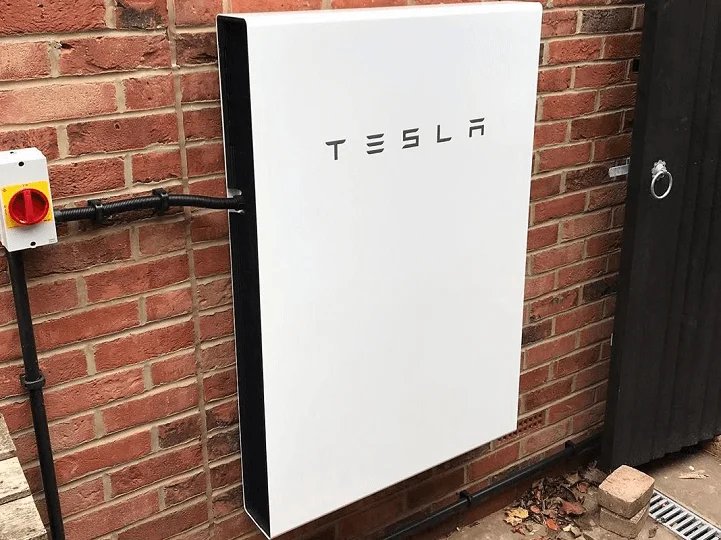
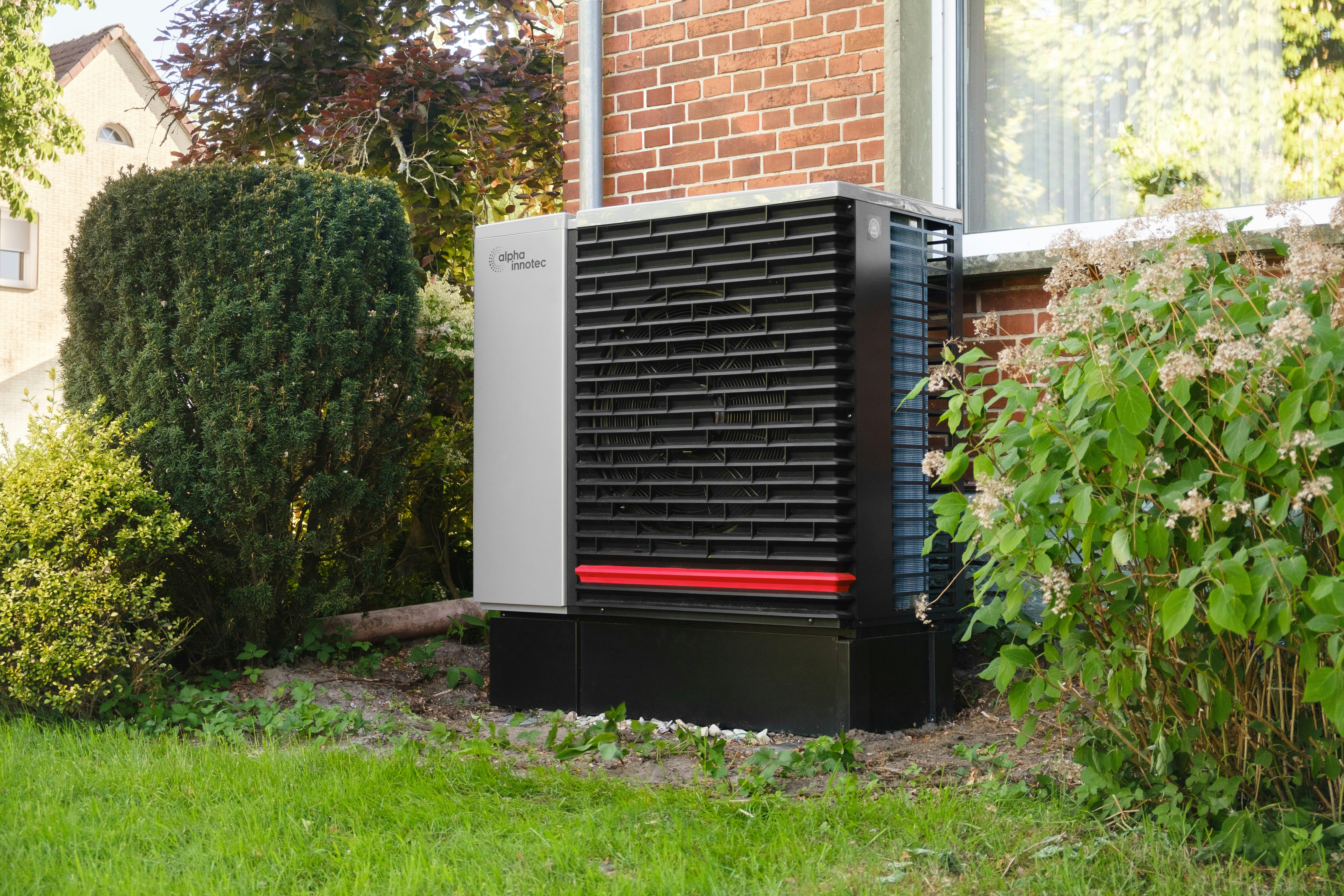
They can. A home battery can help a heat-pump household use more of its own solar electricity or shift electricity bought on a cheaper tariff into more expensive periods. Whether that produces worthwhile savings depends on your tariff, battery size, household demand, solar generation and—most importantly—how efficiently the heat pump itself is designed and controlled.
What a battery can and cannot do
A battery stores electricity for later use. With solar panels, it can retain surplus generation that would otherwise be exported. With a time-of-use tariff, it can charge during cheaper periods and reduce the amount of electricity bought later at a higher rate. It does not make heat free, replace a properly sized heating system or guarantee that all winter heating can be supplied from stored electricity.
Why heat-pump demand matters
A well-designed heat pump usually runs steadily at a lower flow temperature rather than in large, short bursts. That can work well with a battery because household electricity demand is more predictable. But the largest heating demand often arrives in cold weather, when solar output is low and a domestic battery may cover only part of the required electricity. The battery is therefore a cost-management tool, not a substitute for efficient heat-pump design.
Solar plus battery plus heat pump
Solar generation is often most useful to a heat pump in spring and autumn, when daytime generation and heating demand can overlap. A battery can extend that benefit into the evening. In midwinter, however, solar output falls just as heating demand rises. A realistic plan considers seasonal output, not only annual generation figures.
Smart tariffs can be as important as solar
For some homes, the strongest battery case comes from time-of-use tariffs rather than solar. Charging when electricity is cheaper can reduce the cost of later household demand, provided the tariff gap is meaningful after charging losses and battery wear. Check how the battery, inverter and heat-pump controls will interact so that one system does not work against another.
Is a battery worth buying just for a heat pump?
Not always. If the only goal is to cut heat-pump bills, the payback can be long. The case may be stronger where a home already has solar, expects high evening electricity use, can access suitable time-of-use tariffs or values resilience for selected circuits. Compare the full installed cost, usable capacity, warranty, expected cycling and likely tariff savings rather than relying on a headline promise.
Battery size: usable capacity matters more than the headline number
Battery capacity is commonly stated in kilowatt-hours, but the usable capacity is the figure that matters in day-to-day operation. A larger battery does not automatically produce larger savings: it needs enough surplus solar or low-cost tariff electricity to charge regularly, and enough evening or peak-period demand to discharge into. A battery that rarely cycles to a useful level may deliver less value than its headline specification suggests.
Power output is a separate question
Capacity tells you how long energy can be stored; power output determines how much electricity the battery can supply at one time. That matters when the heat pump, cooking appliances and other household loads run together. Ask the installer to explain the battery’s continuous output, its peak output and what happens when household demand is higher than the battery can provide.
Winter is the real test
It is easy to see strong solar and battery performance in summer, when space-heating demand is small. The more demanding period is winter: daylight is shorter, solar output is lower and the heat pump may run for longer. A battery can still help with an appropriate tariff, but it should not be presented as a way to self-power a heat pump through the whole heating season.
Coordinate the battery, tariff and heat-pump controls
The best outcome comes from systems that work together. Battery software may try to protect stored energy for an expensive evening period, while heat-pump controls may need to run earlier to maintain indoor comfort. Hot-water heating, weather compensation and heating schedules should be reviewed alongside tariff windows so comfort is not sacrificed for a theoretical saving.
Avoid extreme stop-start schedules that force a home to reheat rapidly after a cheap overnight window. In many homes, steady low-temperature heating is the better comfort and efficiency strategy, with the battery reducing the cost of part of that demand rather than dictating the whole heating pattern.
Backup power: check exactly what is supported
Some battery systems can provide backup power during an outage, but this is not automatic and rarely means every circuit can run as normal. The heat pump may be excluded, limited by battery output or require specific installation arrangements. If resilience is important, ask which circuits are protected, how long they could run, whether the heat pump is included and whether the design complies with the relevant electrical requirements.
How to judge the financial case
A useful assessment estimates your expected solar surplus, tariff windows, charging losses, household demand, annual battery cycles and installation cost. It should also account for warranty terms and the possibility that tariffs change. Treat savings figures as a scenario rather than a guarantee, and compare more than one proposal if the battery is a major part of your investment.
Services that help you make the right decision
Before committing to a new system, a Pre-Installation Design & Heat Loss Review helps check that the proposed heat pump, heat loss and wider system plan make sense before extra technology is added.
For a deeper review of radiator performance, sizing, hydraulic layout and system temperatures, use a Heat Pump Design Review.
If your system is already installed, a System Controller Configuration Review can help align schedules, weather compensation and heating curves with the way you use your tariff.
If high bills or poor performance suggest an existing fault, Fix My Heat Pump focuses on finding the cause before buying additional equipment.
Where you are also considering summer comfort, Heat Pump Cooling examines the emitters, controls and condensation protection needed to add cooling safely.
Related reading
For the broader electricity-cost context, read Why Have My Electricity Bills Increased Since Installing a Heat Pump? and What Temperature Should Radiators Run at With a Heat Pump?.
Battery and heat-pump checklist
Frequently asked questions
Can a battery run a heat pump overnight?
It can contribute, but the answer depends on the battery’s usable capacity and power output, outdoor temperature, heat-pump demand and other household loads. In cold weather, a typical domestic battery may not cover a full night of heating on its own.
Do I need solar panels before buying a battery?
No. A battery can be charged from a suitable time-of-use tariff. Solar can improve the case by increasing self-consumption, but it is still important to compare expected savings with the purchase price and warranty.
Compare tariff savings after charging losses, not just the overnight price.
Ask how much usable battery capacity is available and what circuits it can support.
Make sure the heat pump is efficient before expecting the battery to improve running costs.
Review solar output and heating demand by season, not just across a yearly average.
Conclusion
Batteries can complement a heat pump well, especially with solar or a suitable smart tariff. Their value is greatest when they sit on top of a correctly designed, properly controlled heating system. Start with efficiency and design, then assess whether a battery improves the economics for the way your home uses energy.
Do batteries work well with a heat pump?
They can. A home battery can help a heat-pump household use more of its own solar electricity or shift electricity bought on a cheaper tariff into more expensive periods. Whether that produces worthwhile savings depends on your tariff, battery size, household demand, solar generation and—most importantly—how efficiently the heat pump itself is designed and controlled.
What a battery can and cannot do
A battery stores electricity for later use. With solar panels, it can retain surplus generation that would otherwise be exported. With a time-of-use tariff, it can charge during cheaper periods and reduce the amount of electricity bought later at a higher rate. It does not make heat free, replace a properly sized heating system or guarantee that all winter heating can be supplied from stored electricity.
Why heat-pump demand matters
A well-designed heat pump usually runs steadily at a lower flow temperature rather than in large, short bursts. That can work well with a battery because household electricity demand is more predictable. But the largest heating demand often arrives in cold weather, when solar output is low and a domestic battery may cover only part of the required electricity. The battery is therefore a cost-management tool, not a substitute for efficient heat-pump design.
Solar plus battery plus heat pump
Solar generation is often most useful to a heat pump in spring and autumn, when daytime generation and heating demand can overlap. A battery can extend that benefit into the evening. In midwinter, however, solar output falls just as heating demand rises. A realistic plan considers seasonal output, not only annual generation figures.
Smart tariffs can be as important as solar
For some homes, the strongest battery case comes from time-of-use tariffs rather than solar. Charging when electricity is cheaper can reduce the cost of later household demand, provided the tariff gap is meaningful after charging losses and battery wear. Check how the battery, inverter and heat-pump controls will interact so that one system does not work against another.
Is a battery worth buying just for a heat pump?
Not always. If the only goal is to cut heat-pump bills, the payback can be long. The case may be stronger where a home already has solar, expects high evening electricity use, can access suitable time-of-use tariffs or values resilience for selected circuits. Compare the full installed cost, usable capacity, warranty, expected cycling and likely tariff savings rather than relying on a headline promise.
Battery size: usable capacity matters more than the headline number
Battery capacity is commonly stated in kilowatt-hours, but the usable capacity is the figure that matters in day-to-day operation. A larger battery does not automatically produce larger savings: it needs enough surplus solar or low-cost tariff electricity to charge regularly, and enough evening or peak-period demand to discharge into. A battery that rarely cycles to a useful level may deliver less value than its headline specification suggests.
Power output is a separate question
Capacity tells you how long energy can be stored; power output determines how much electricity the battery can supply at one time. That matters when the heat pump, cooking appliances and other household loads run together. Ask the installer to explain the battery’s continuous output, its peak output and what happens when household demand is higher than the battery can provide.
Winter is the real test
It is easy to see strong solar and battery performance in summer, when space-heating demand is small. The more demanding period is winter: daylight is shorter, solar output is lower and the heat pump may run for longer. A battery can still help with an appropriate tariff, but it should not be presented as a way to self-power a heat pump through the whole heating season.
Coordinate the battery, tariff and heat-pump controls
The best outcome comes from systems that work together. Battery software may try to protect stored energy for an expensive evening period, while heat-pump controls may need to run earlier to maintain indoor comfort. Hot-water heating, weather compensation and heating schedules should be reviewed alongside tariff windows so comfort is not sacrificed for a theoretical saving.
Avoid extreme stop-start schedules that force a home to reheat rapidly after a cheap overnight window. In many homes, steady low-temperature heating is the better comfort and efficiency strategy, with the battery reducing the cost of part of that demand rather than dictating the whole heating pattern.
Backup power: check exactly what is supported
Some battery systems can provide backup power during an outage, but this is not automatic and rarely means every circuit can run as normal. The heat pump may be excluded, limited by battery output or require specific installation arrangements. If resilience is important, ask which circuits are protected, how long they could run, whether the heat pump is included and whether the design complies with the relevant electrical requirements.
How to judge the financial case
A useful assessment estimates your expected solar surplus, tariff windows, charging losses, household demand, annual battery cycles and installation cost. It should also account for warranty terms and the possibility that tariffs change. Treat savings figures as a scenario rather than a guarantee, and compare more than one proposal if the battery is a major part of your investment.
Services that help you make the right decision
Before committing to a new system, a Pre-Installation Design & Heat Loss Review helps check that the proposed heat pump, heat loss and wider system plan make sense before extra technology is added.
For a deeper review of radiator performance, sizing, hydraulic layout and system temperatures, use a Heat Pump Design Review.
If your system is already installed, a System Controller Configuration Review can help align schedules, weather compensation and heating curves with the way you use your tariff.
If high bills or poor performance suggest an existing fault, Fix My Heat Pump focuses on finding the cause before buying additional equipment.
Where you are also considering summer comfort, Heat Pump Cooling examines the emitters, controls and condensation protection needed to add cooling safely.
Related reading
For the broader electricity-cost context, read Why Have My Electricity Bills Increased Since Installing a Heat Pump? and What Temperature Should Radiators Run at With a Heat Pump?.
Battery and heat-pump checklist
Frequently asked questions
Can a battery run a heat pump overnight?
It can contribute, but the answer depends on the battery’s usable capacity and power output, outdoor temperature, heat-pump demand and other household loads. In cold weather, a typical domestic battery may not cover a full night of heating on its own.
Do I need solar panels before buying a battery?
No. A battery can be charged from a suitable time-of-use tariff. Solar can improve the case by increasing self-consumption, but it is still important to compare expected savings with the purchase price and warranty.
Compare tariff savings after charging losses, not just the overnight price.
Ask how much usable battery capacity is available and what circuits it can support.
Make sure the heat pump is efficient before expecting the battery to improve running costs.
Review solar output and heating demand by season, not just across a yearly average.
Conclusion
Batteries can complement a heat pump well, especially with solar or a suitable smart tariff. Their value is greatest when they sit on top of a correctly designed, properly controlled heating system. Start with efficiency and design, then assess whether a battery improves the economics for the way your home uses energy.
Sep 20, 2026
5 min read
How Often Should You Service a Heat Pump?
Read More
Sep 20, 2026
5 min read
How Often Should You Service a Heat Pump?
Read More

Sep 18, 2026
5 min read
Why Is My Heat Pump Not Reaching Temperature? (UK Guide)
Read More
Sep 18, 2026
5 min read
Why Is My Heat Pump Not Reaching Temperature? (UK Guide)
Read More


Contact Us
Not Sure Which Service You Need?
Not Sure Which Service You Need?
Not Sure Which Service You Need?
Not Sure Which Service You Need?
Not Sure Which Service You Need?
Whether you need help with an existing heat pump, a pre-installation review, cooling advice, servicing or a room-by-room heat loss survey, send us a few details and we'll point you in the right direction.
Whether you need help with an existing heat pump, a pre-installation review, cooling advice, servicing or a room-by-room heat loss survey, send us a few details and we'll point you in the right direction.
Whether you need help with an existing heat pump, a pre-installation review, cooling advice, servicing or a room-by-room heat loss survey, send us a few details and we'll point you in the right direction.

