How Long Does an Air Source Heat Pump Last?
How Long Does an Air Source Heat Pump Last?
How Long Does an Air Source Heat Pump Last?
How Long Does an Air Source Heat Pump Last?
How Long Does an Air Source Heat Pump Last?

UK Heat pump Help Technical Team
Independent Heat Pump Engineer
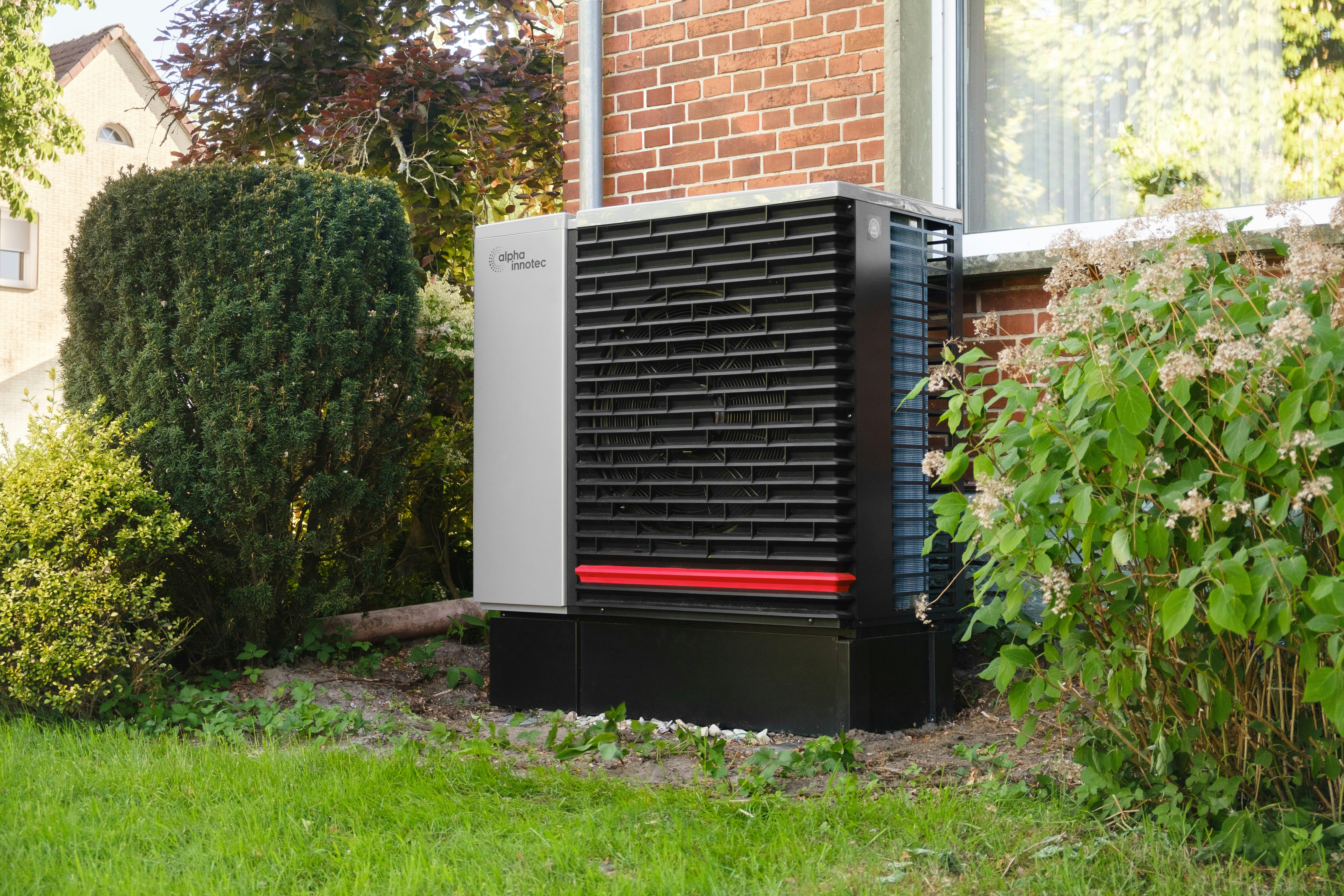
What affects lifespan, what fails first and when to investigate: a well-designed air source heat pump can often provide 15–20 years of service. This guide explains the factors that affect lifespan, the signs that need investigation and why repair is often possible.
How long does an air source heat pump last?
A well-designed, correctly commissioned and properly maintained air source heat pump will often provide around 15–20 years of service. Some systems may run longer, while others develop expensive problems much earlier. The difference is rarely explained by age alone.
The most useful question is not ‘How old is it?’ but ‘How has it been designed, installed, controlled and maintained?’ A heat pump that operates in the right conditions can have a long working life; one that has been forced to work too hard from day one can suffer reduced comfort, higher bills and unnecessary wear.
What determines heat-pump lifespan?
The outdoor unit is only one part of the system. Lifespan depends on whether the whole system allows the compressor, circulation pumps, valves and controls to operate steadily and within sensible limits.
Accurate room-by-room heat-loss calculations and sensible equipment sizing.
Emitters that can deliver enough heat at appropriate flow temperatures.
Correct hydraulic layout, water quality, commissioning and control settings.
Regular servicing and prompt investigation of changes in noise, comfort or energy use.
Why correct design matters more than the badge on the unit
A respected manufacturer cannot compensate for an unsuitable design. Oversizing, undersized radiators, excessive flow temperatures, poor hydraulic separation or unsuitable control settings can all make a system cycle more frequently or work harder than necessary. That increases running costs and can place avoidable stress on components.
If you are planning a system or want an independent view before work begins, a Pre-Installation Design & Heat Loss Review can identify the design decisions that protect comfort, efficiency and long-term reliability.
What usually fails first?
A poor-performing system does not automatically mean the heat pump itself has failed. Many problems arise in supporting components or system setup, and may be repairable without replacing the outdoor unit.
Circulation pumps, motorised valves, sensors and electrical connections.
Expansion vessels, filters, strainers and water-quality issues.
Incorrect controller configuration, weather compensation or heating schedules.
When should you investigate rather than replace?
Seek a proper diagnosis if comfort has fallen, electricity use has risen unexpectedly, the system is noisy, faults keep returning or the heat pump runs at unnecessarily high temperatures. These symptoms can point to a design, controls or maintenance issue rather than an end-of-life compressor.
Our Fix My Heat Pump service is designed to investigate the underlying cause before you commit to a costly replacement.
A real-world pattern: high flow temperatures and high bills
High operating temperatures are one common reason systems feel expensive and underperform. In our case study, ‘My Electricity Bills Doubled’, the heat pump was running at 55°C in mild weather. The problem was not the unit’s age; it was how the system was operating.
Maintenance that supports a longer working life
Routine servicing gives an engineer the chance to inspect electrical connections, water quality, filters, strainers, system pressures and operational behaviour. It cannot correct a fundamentally unsuitable design, but it can identify smaller problems before they become repeated faults or expensive repairs.
Frequently asked questions
Can a heat pump last as long as a boiler?
Yes. A well-designed and maintained heat pump can have a lifespan comparable with a modern boiler. The important distinction is that its whole system design has a strong effect on efficiency and component wear.
Does a high electricity bill mean the heat pump is worn out?
Not necessarily. Start by checking how the system is controlled and what temperatures it is using. Our guide on reducing heat-pump electricity bills explains the most common drivers of high running costs.
Outcome
Do not judge an air source heat pump by its age alone. A technical review can distinguish a repairable issue such as controls, flow temperature, hydraulic layout or maintenance from a genuinely uneconomic repair. That gives you a sounder basis for deciding whether to improve, repair or replace the system.
What affects lifespan, what fails first and when to investigate: a well-designed air source heat pump can often provide 15–20 years of service. This guide explains the factors that affect lifespan, the signs that need investigation and why repair is often possible.
How long does an air source heat pump last?
A well-designed, correctly commissioned and properly maintained air source heat pump will often provide around 15–20 years of service. Some systems may run longer, while others develop expensive problems much earlier. The difference is rarely explained by age alone.
The most useful question is not ‘How old is it?’ but ‘How has it been designed, installed, controlled and maintained?’ A heat pump that operates in the right conditions can have a long working life; one that has been forced to work too hard from day one can suffer reduced comfort, higher bills and unnecessary wear.
What determines heat-pump lifespan?
The outdoor unit is only one part of the system. Lifespan depends on whether the whole system allows the compressor, circulation pumps, valves and controls to operate steadily and within sensible limits.
Accurate room-by-room heat-loss calculations and sensible equipment sizing.
Emitters that can deliver enough heat at appropriate flow temperatures.
Correct hydraulic layout, water quality, commissioning and control settings.
Regular servicing and prompt investigation of changes in noise, comfort or energy use.
Why correct design matters more than the badge on the unit
A respected manufacturer cannot compensate for an unsuitable design. Oversizing, undersized radiators, excessive flow temperatures, poor hydraulic separation or unsuitable control settings can all make a system cycle more frequently or work harder than necessary. That increases running costs and can place avoidable stress on components.
If you are planning a system or want an independent view before work begins, a Pre-Installation Design & Heat Loss Review can identify the design decisions that protect comfort, efficiency and long-term reliability.
What usually fails first?
A poor-performing system does not automatically mean the heat pump itself has failed. Many problems arise in supporting components or system setup, and may be repairable without replacing the outdoor unit.
Circulation pumps, motorised valves, sensors and electrical connections.
Expansion vessels, filters, strainers and water-quality issues.
Incorrect controller configuration, weather compensation or heating schedules.
When should you investigate rather than replace?
Seek a proper diagnosis if comfort has fallen, electricity use has risen unexpectedly, the system is noisy, faults keep returning or the heat pump runs at unnecessarily high temperatures. These symptoms can point to a design, controls or maintenance issue rather than an end-of-life compressor.
Our Fix My Heat Pump service is designed to investigate the underlying cause before you commit to a costly replacement.
A real-world pattern: high flow temperatures and high bills
High operating temperatures are one common reason systems feel expensive and underperform. In our case study, ‘My Electricity Bills Doubled’, the heat pump was running at 55°C in mild weather. The problem was not the unit’s age; it was how the system was operating.
Maintenance that supports a longer working life
Routine servicing gives an engineer the chance to inspect electrical connections, water quality, filters, strainers, system pressures and operational behaviour. It cannot correct a fundamentally unsuitable design, but it can identify smaller problems before they become repeated faults or expensive repairs.
Frequently asked questions
Can a heat pump last as long as a boiler?
Yes. A well-designed and maintained heat pump can have a lifespan comparable with a modern boiler. The important distinction is that its whole system design has a strong effect on efficiency and component wear.
Does a high electricity bill mean the heat pump is worn out?
Not necessarily. Start by checking how the system is controlled and what temperatures it is using. Our guide on reducing heat-pump electricity bills explains the most common drivers of high running costs.
Outcome
Do not judge an air source heat pump by its age alone. A technical review can distinguish a repairable issue such as controls, flow temperature, hydraulic layout or maintenance from a genuinely uneconomic repair. That gives you a sounder basis for deciding whether to improve, repair or replace the system.

Sep 20, 2026
5 min read
How Often Should You Service a Heat Pump?
Read More
Sep 20, 2026
5 min read
How Often Should You Service a Heat Pump?
Read More

Sep 18, 2026
5 min read
Why Is My Heat Pump Not Reaching Temperature? (UK Guide)
Read More
Sep 18, 2026
5 min read
Why Is My Heat Pump Not Reaching Temperature? (UK Guide)
Read More


Contact Us
Not Sure Which Service You Need?
Not Sure Which Service You Need?
Not Sure Which Service You Need?
Not Sure Which Service You Need?
Not Sure Which Service You Need?
Whether you need help with an existing heat pump, a pre-installation review, cooling advice, servicing or a room-by-room heat loss survey, send us a few details and we'll point you in the right direction.
Whether you need help with an existing heat pump, a pre-installation review, cooling advice, servicing or a room-by-room heat loss survey, send us a few details and we'll point you in the right direction.
Whether you need help with an existing heat pump, a pre-installation review, cooling advice, servicing or a room-by-room heat loss survey, send us a few details and we'll point you in the right direction.

