Labour vs Equipment Cost: Where Does Your Heat Pump Money Go?
Labour vs Equipment Cost: Where Does Your Heat Pump Money Go?
Labour vs Equipment Cost: Where Does Your Heat Pump Money Go?
Labour vs Equipment Cost: Where Does Your Heat Pump Money Go?
Labour vs Equipment Cost: Where Does Your Heat Pump Money Go?

UK Heat pump Help Technical Team
Independent Heat Pump Engineer
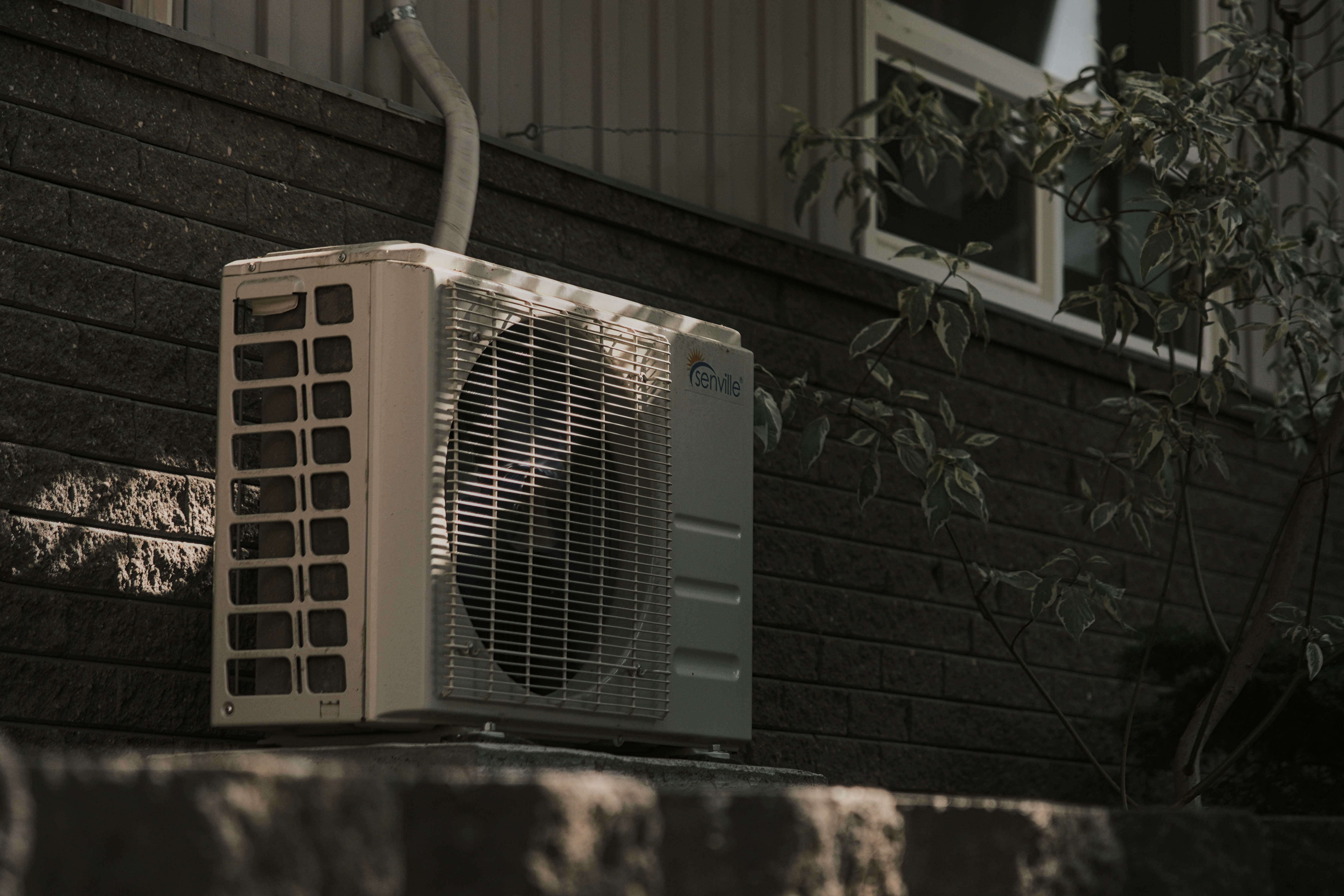
When you're quoted £12,000, £15,000 or even more for a heat pump installation, it's easy to stare at the number and wonder where it's all going. The outdoor unit sitting in your garden doesn't look like it costs that much on its own, and it doesn't. You're paying for a lot more than the box outside your wall, and understanding what actually makes up that figure is the difference between comparing quotes properly and just picking the smallest number on the page.
If you want to understand how heat pump size itself affects your quote, we've covered that separately in what size heat pump your house actually needs. This article focuses on something slightly different: not sizing itself, but where within your total quote the money is actually going.
The Heat Pump Is Only Part of the Cost
The heat pump itself is obviously one of the biggest single items on the invoice, but a typical installation usually pulls in a lot more:
Hot water cylinder
Pumps and valves
Heating controls
Filters and system components
Pipework and insulation
Electrical equipment
Heat pump base or mounting system
Radiators
General installation materials
What's actually needed depends entirely on your property and how the existing heating system was put together. A well-insulated new-build with an already-oversized pipe run might need very little beyond the unit itself. A 1930s semi with a gas boiler and radiators sized for 70°C flow temperatures could need most of the list above. That's exactly why two houses that look similar from the outside can end up with very different quotes for what seems like the same job.
How Much of the Cost Is Labour?
Fitting a heat pump isn't a one-day boiler swap. Depending on the property, it can involve plumbers, electricians and commissioning engineers on site over anywhere from two to five days.
That labour usually covers:
Removing the old heating equipment
Installing the heat pump and cylinder
Altering the heating pipework
Replacing radiators
Running new electrical supplies
Installing controls
Filling and testing the system
Commissioning and setting up the heat pump
The more complicated the property, the more hours all of this takes, and hours are where a lot of the quote goes. Two crews working a full day each on pipework and electrics before the unit is even commissioned is normal on an older property, and that's before anyone touches a radiator.
Radiators Can Make a Big Difference
Radiator upgrades are one of the biggest swing factors between quotes. For a system designed around roughly 50°C flow temperature, expect a replacement radiator to run around £250 to £300 supplied and fitted. Change two radiators and it barely moves the total. Change twelve, because the whole house was originally designed around a much hotter gas boiler flow temperature, and you're looking at an extra £3,000 or more before anything else changes. This is one of the most common reasons homeowners are surprised by a quote that's thousands more than a neighbour's, even when the heat pump itself is the same model.
Why a Heat Loss Survey Is the Foundation of the Whole Quote
A good installation starts long before anyone picks up a spanner, and this is the part that's easiest to overlook because it never shows up as a physical item on the invoice. The heat pump can only be sized correctly once someone has worked out how much heat every room in your home actually loses, which is what a heat loss survey is for. A proper one goes room by room rather than estimating the whole property in one go, and it should also look at your existing pipework, radiators, cylinder and plant location, not just produce a number on a page.
This matters because everything downstream, the heat pump size, the flow temperature, whether your radiators need upgrading, gets built on that calculation. If it's rushed or based on a rule of thumb rather than a proper room-by-room assessment, you can end up paying for a heat pump that's the wrong size for your home no matter how well it's physically installed. Oversized units short-cycle and wear out faster. Undersized ones leave you relying on an immersion heater through winter, quietly driving your electricity bill up.
So it's worth asking early on: has a proper heat loss survey actually been carried out, and what did it cost? A full room-by-room heat loss survey, the kind that also checks pipework and radiators rather than just producing a calculation on its own, typically starts from £450 + VAT. That's a small figure next to a £12,000 to £15,000 installation, but it's the piece of paperwork the rest of your quote should be resting on. If an installer can't show you one, or the survey cost has been bundled in without any detail behind it, that's a fair question to ask before you commit.
If you've already got a quote in hand and want someone independent to check the design behind it before you sign, that's a slightly different service to the survey itself, and it's what our Pre-Installation Design Review is for. We're not the ones doing your installer's heat loss calculation; we're checking whether the one they've already done actually stacks up.
There's a Lot of Paperwork Behind a Heat Pump Installation
This is the bit homeowners rarely see. For jobs going through the Boiler Upgrade Scheme, there's a fair amount of administration, documentation and compliance work both before and after the physical install.
Heat pump companies also carry ongoing membership and certification costs through schemes like MCS (Microgeneration Certification Scheme) and consumer-protection bodies such as HIES. Depending on the job, there may also be:
Boiler Upgrade Scheme paperwork
MCS certification
Consumer protection requirements
Insurance-backed guarantees
DNO notifications or applications
Planning and permitted development checks
Electrical certification
Manufacturer commissioning paperwork
Warranty registration
Handover documentation
None of it is visible from the street, but it's still part of what a compliant installation actually costs to deliver. Companies also carry the ongoing cost of maintaining those certifications year-round through training, audits and insurance, whether or not they're actively installing your particular system that month.
Why Two Quotes Can Be Thousands Apart
Two installers can appear to be quoting for the same job while actually proposing very different amounts of work. One might include extensive radiator changes, an electrical upgrade, new pipework and a cylinder swap. The other assumes most of the existing system can stay as it is, quietly leaving out work that will surface as a problem once the system is running. There can also be a big gap in how much design work, controls configuration and aftercare each quote actually includes, which is why comparing the bottom-line figure alone can be misleading. Two £13,000 quotes for the same house are not automatically the same job.
If Your Heat Pump Is Already Installed and Something Feels Off
Everything above applies before installation. If you're past that point and dealing with high bills, a system that never quite reaches temperature, or short-cycling, the cause is very often traced back to exactly the design decisions covered here, an undersized or oversized unit, radiators that were never upgraded, or a heat loss calculation that was never done properly in the first place. That's a different situation to diagnose than a pre-installation quote, and it's what our Fix My Heat Pump service is built around.
Is the Cheapest Heat Pump Quote the Best?
Not necessarily. But the most expensive one isn't automatically the safest bet either. What actually matters is whether the system has been correctly designed, whether all the required work is included, and whether you understand exactly what you're paying for. A cheaper quote that's missing radiator upgrades or a proper heat loss calculation isn't actually cheaper, it's just a bill you'll pay later, either in higher running costs or in remedial work.
Not Sure What You're Actually Paying For?
If you've had a heat pump quote and you're not sure whether the price or the proposed design stacks up, it's worth understanding exactly what a proper heat loss survey covers and what it should cost. It's the calculation everything else in your quote is meant to be built on, so it's worth getting right before you sign anything.
When you're quoted £12,000, £15,000 or even more for a heat pump installation, it's easy to stare at the number and wonder where it's all going. The outdoor unit sitting in your garden doesn't look like it costs that much on its own, and it doesn't. You're paying for a lot more than the box outside your wall, and understanding what actually makes up that figure is the difference between comparing quotes properly and just picking the smallest number on the page.
If you want to understand how heat pump size itself affects your quote, we've covered that separately in what size heat pump your house actually needs. This article focuses on something slightly different: not sizing itself, but where within your total quote the money is actually going.
The Heat Pump Is Only Part of the Cost
The heat pump itself is obviously one of the biggest single items on the invoice, but a typical installation usually pulls in a lot more:
Hot water cylinder
Pumps and valves
Heating controls
Filters and system components
Pipework and insulation
Electrical equipment
Heat pump base or mounting system
Radiators
General installation materials
What's actually needed depends entirely on your property and how the existing heating system was put together. A well-insulated new-build with an already-oversized pipe run might need very little beyond the unit itself. A 1930s semi with a gas boiler and radiators sized for 70°C flow temperatures could need most of the list above. That's exactly why two houses that look similar from the outside can end up with very different quotes for what seems like the same job.
How Much of the Cost Is Labour?
Fitting a heat pump isn't a one-day boiler swap. Depending on the property, it can involve plumbers, electricians and commissioning engineers on site over anywhere from two to five days.
That labour usually covers:
Removing the old heating equipment
Installing the heat pump and cylinder
Altering the heating pipework
Replacing radiators
Running new electrical supplies
Installing controls
Filling and testing the system
Commissioning and setting up the heat pump
The more complicated the property, the more hours all of this takes, and hours are where a lot of the quote goes. Two crews working a full day each on pipework and electrics before the unit is even commissioned is normal on an older property, and that's before anyone touches a radiator.
Radiators Can Make a Big Difference
Radiator upgrades are one of the biggest swing factors between quotes. For a system designed around roughly 50°C flow temperature, expect a replacement radiator to run around £250 to £300 supplied and fitted. Change two radiators and it barely moves the total. Change twelve, because the whole house was originally designed around a much hotter gas boiler flow temperature, and you're looking at an extra £3,000 or more before anything else changes. This is one of the most common reasons homeowners are surprised by a quote that's thousands more than a neighbour's, even when the heat pump itself is the same model.
Why a Heat Loss Survey Is the Foundation of the Whole Quote
A good installation starts long before anyone picks up a spanner, and this is the part that's easiest to overlook because it never shows up as a physical item on the invoice. The heat pump can only be sized correctly once someone has worked out how much heat every room in your home actually loses, which is what a heat loss survey is for. A proper one goes room by room rather than estimating the whole property in one go, and it should also look at your existing pipework, radiators, cylinder and plant location, not just produce a number on a page.
This matters because everything downstream, the heat pump size, the flow temperature, whether your radiators need upgrading, gets built on that calculation. If it's rushed or based on a rule of thumb rather than a proper room-by-room assessment, you can end up paying for a heat pump that's the wrong size for your home no matter how well it's physically installed. Oversized units short-cycle and wear out faster. Undersized ones leave you relying on an immersion heater through winter, quietly driving your electricity bill up.
So it's worth asking early on: has a proper heat loss survey actually been carried out, and what did it cost? A full room-by-room heat loss survey, the kind that also checks pipework and radiators rather than just producing a calculation on its own, typically starts from £450 + VAT. That's a small figure next to a £12,000 to £15,000 installation, but it's the piece of paperwork the rest of your quote should be resting on. If an installer can't show you one, or the survey cost has been bundled in without any detail behind it, that's a fair question to ask before you commit.
If you've already got a quote in hand and want someone independent to check the design behind it before you sign, that's a slightly different service to the survey itself, and it's what our Pre-Installation Design Review is for. We're not the ones doing your installer's heat loss calculation; we're checking whether the one they've already done actually stacks up.
There's a Lot of Paperwork Behind a Heat Pump Installation
This is the bit homeowners rarely see. For jobs going through the Boiler Upgrade Scheme, there's a fair amount of administration, documentation and compliance work both before and after the physical install.
Heat pump companies also carry ongoing membership and certification costs through schemes like MCS (Microgeneration Certification Scheme) and consumer-protection bodies such as HIES. Depending on the job, there may also be:
Boiler Upgrade Scheme paperwork
MCS certification
Consumer protection requirements
Insurance-backed guarantees
DNO notifications or applications
Planning and permitted development checks
Electrical certification
Manufacturer commissioning paperwork
Warranty registration
Handover documentation
None of it is visible from the street, but it's still part of what a compliant installation actually costs to deliver. Companies also carry the ongoing cost of maintaining those certifications year-round through training, audits and insurance, whether or not they're actively installing your particular system that month.
Why Two Quotes Can Be Thousands Apart
Two installers can appear to be quoting for the same job while actually proposing very different amounts of work. One might include extensive radiator changes, an electrical upgrade, new pipework and a cylinder swap. The other assumes most of the existing system can stay as it is, quietly leaving out work that will surface as a problem once the system is running. There can also be a big gap in how much design work, controls configuration and aftercare each quote actually includes, which is why comparing the bottom-line figure alone can be misleading. Two £13,000 quotes for the same house are not automatically the same job.
If Your Heat Pump Is Already Installed and Something Feels Off
Everything above applies before installation. If you're past that point and dealing with high bills, a system that never quite reaches temperature, or short-cycling, the cause is very often traced back to exactly the design decisions covered here, an undersized or oversized unit, radiators that were never upgraded, or a heat loss calculation that was never done properly in the first place. That's a different situation to diagnose than a pre-installation quote, and it's what our Fix My Heat Pump service is built around.
Is the Cheapest Heat Pump Quote the Best?
Not necessarily. But the most expensive one isn't automatically the safest bet either. What actually matters is whether the system has been correctly designed, whether all the required work is included, and whether you understand exactly what you're paying for. A cheaper quote that's missing radiator upgrades or a proper heat loss calculation isn't actually cheaper, it's just a bill you'll pay later, either in higher running costs or in remedial work.
Not Sure What You're Actually Paying For?
If you've had a heat pump quote and you're not sure whether the price or the proposed design stacks up, it's worth understanding exactly what a proper heat loss survey covers and what it should cost. It's the calculation everything else in your quote is meant to be built on, so it's worth getting right before you sign anything.


Sep 30, 2026
5 min read
Best Electricity Tariffs for Heat Pump Owners in the UK
Read More
Sep 30, 2026
5 min read
Best Electricity Tariffs for Heat Pump Owners in the UK
Read More

Sep 27, 2026
5 min read
Are Heat Pumps Noisy? A UK Guide to Noise Levels and What's Normal
Read More
Sep 27, 2026
5 min read
Are Heat Pumps Noisy? A UK Guide to Noise Levels and What's Normal
Read More

Contact Us
Not Sure Which Service You Need?
Not Sure Which Service You Need?
Not Sure Which Service You Need?
Not Sure Which Service You Need?
Not Sure Which Service You Need?
Whether you need help with an existing heat pump, a pre-installation review, cooling advice, servicing or a room-by-room heat loss survey, send us a few details and we'll point you in the right direction.
Whether you need help with an existing heat pump, a pre-installation review, cooling advice, servicing or a room-by-room heat loss survey, send us a few details and we'll point you in the right direction.
Whether you need help with an existing heat pump, a pre-installation review, cooling advice, servicing or a room-by-room heat loss survey, send us a few details and we'll point you in the right direction.

