Should You Cover Your Heat Pump in Winter? A UK Guide
Should You Cover Your Heat Pump in Winter? A UK Guide
Should You Cover Your Heat Pump in Winter? A UK Guide
Should You Cover Your Heat Pump in Winter? A UK Guide
Should You Cover Your Heat Pump in Winter? A UK Guide

UK Heat pump Help Technical Team
Independent Heat Pump Engineer
The first proper frost arrives, you look out of the window and your heat pump has a layer of white on top of it. It looks cold and a bit sorry for itself. Then you remember the heat pump covers you've seen online, and you start to wonder whether you should be wrapping it up for winter.
In most cases, you shouldn't. This guide explains why, what you can do instead, how to deal with snow and ice safely, and the few situations where it's worth calling someone.
The short answer
Don't wrap or seal your outdoor heat pump. It needs a steady flow of air through it all winter, and a tight cover cuts that off and traps moisture. Heat pumps are built to sit outside in the weather. What helps far more is the way the unit is positioned, a base that lifts it off the ground, and keeping the area around it clear of snow, leaves and clutter.
A ventilated canopy or louvred guard is a grey area. Some manufacturers allow or even recommend them, and others say no cover is needed at all. If you're tempted, check your unit's manual first.
Why heat pumps are built to live outside
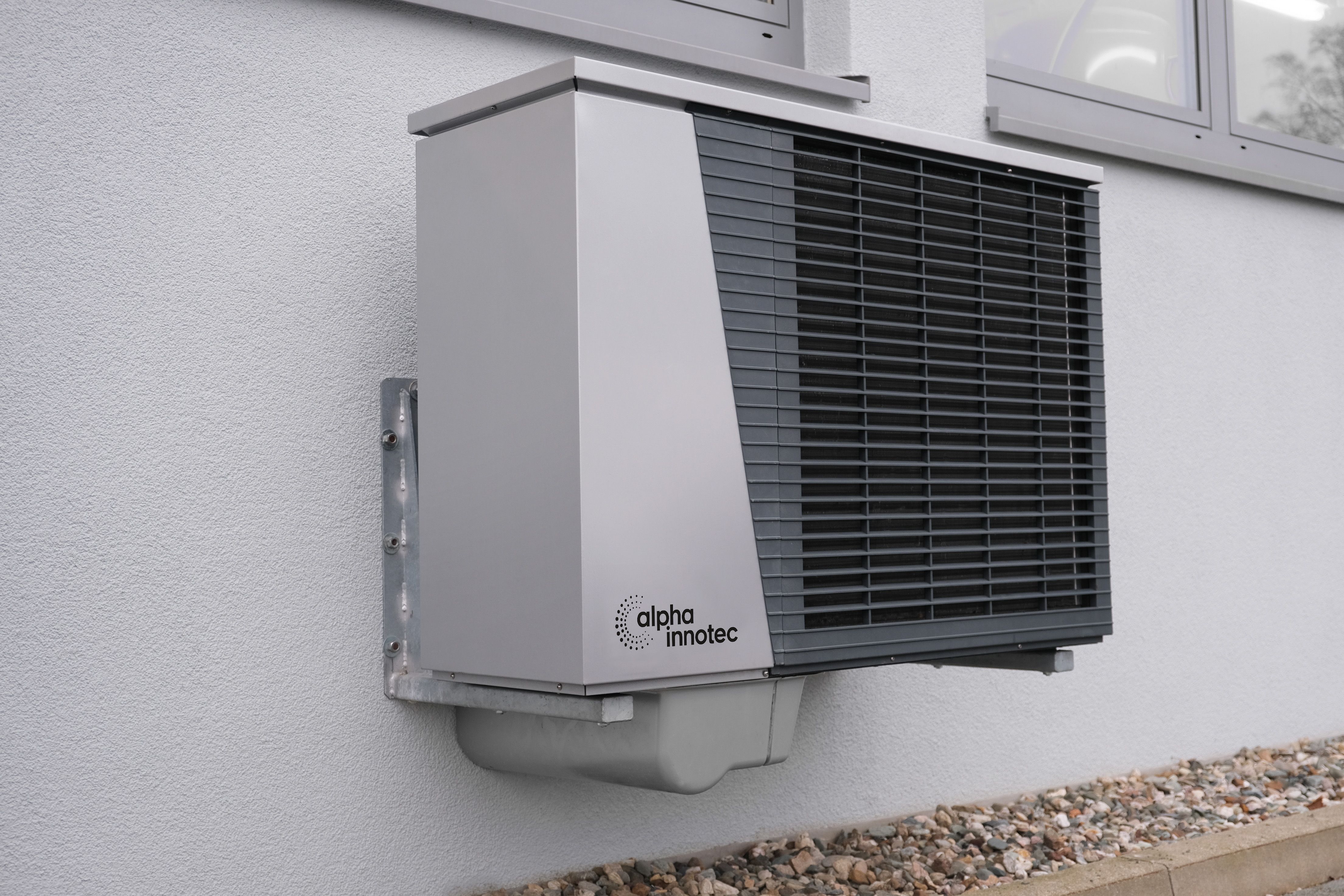
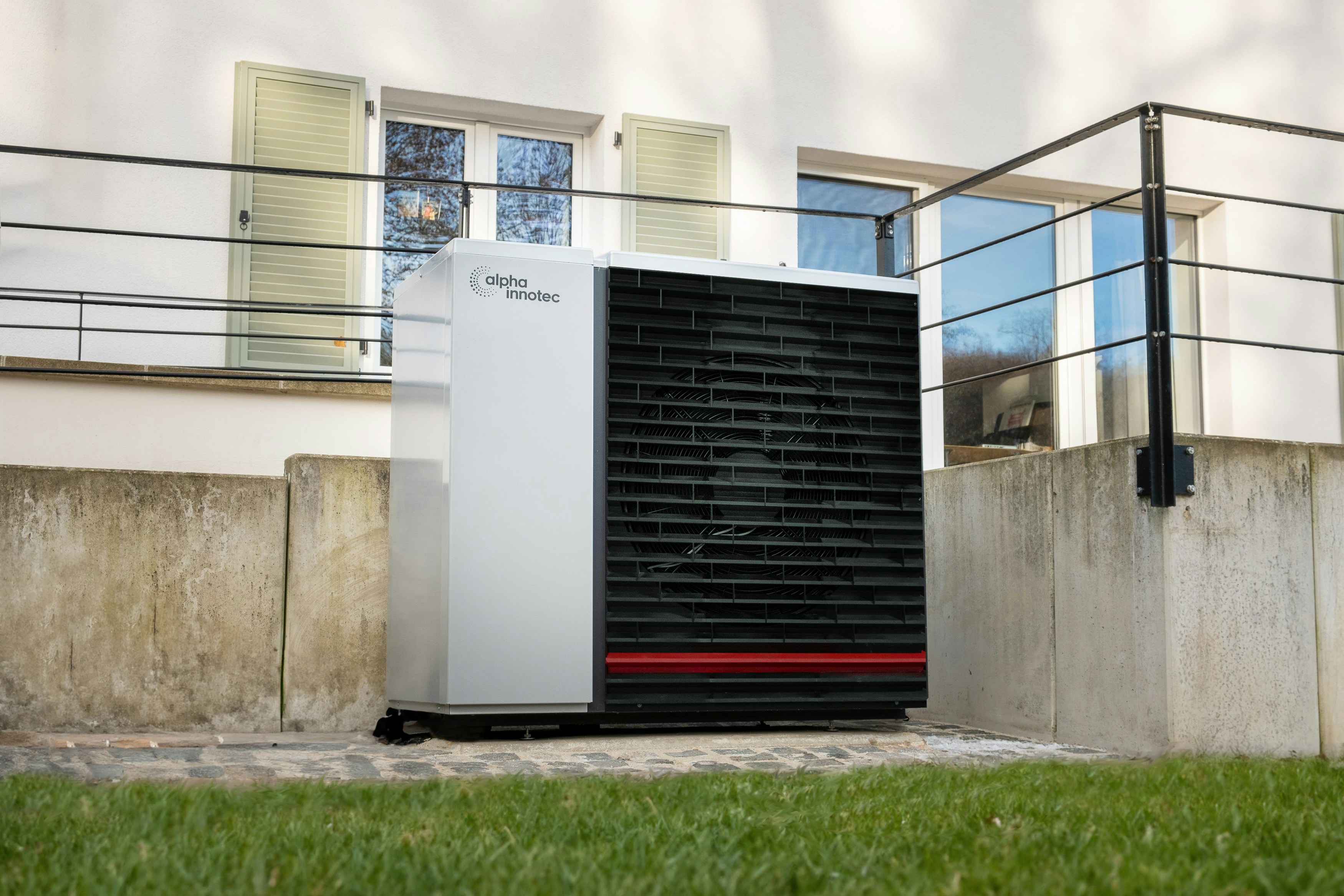
An air source heat pump has to be outdoors, because it takes heat from the outside air. The casing, fan, electrics and coil are designed for rain, frost and wind, and the unit is expected to run through the whole heating season, not sit idle until spring.
UK winters are also gentler than most people assume. Average winter temperatures are typically a few degrees above freezing, and modern units are rated to keep working at temperatures well below zero. Snow settling on top of the unit is not a sign that something is wrong.
If you want to know how the system behaves in freezing weather more generally, our article on whether heat pumps work in freezing temperatures goes into it in detail.
Why wrapping or sealing a heat pump is a bad idea
It restricts airflow. The fan pulls air through the coil, and the heat pump depends on that air to do its job. Block or slow it, and the unit has to work harder for less heat. That can push up your running costs and encourage more ice to form.
It traps moisture. A heat pump naturally produces condensation and, in cold weather, defrost water and vapour. Under a tight cover, that moisture has nowhere to go. It can sit against the unit, or melt and refreeze.
It gets in the way of defrosting. In cold, damp weather the outdoor coil can pick up a layer of frost. The unit clears it by running a defrost cycle, which releases water and sometimes a visible plume of steam. A cover can interfere with that process. If you've seen steam and wondered whether something is on fire, our article on why heat pumps produce steam explains what's happening.
It can cause damage. A cover that flaps in the wind can rub against the fan guard or casing. One that's pulled tight can trap debris inside.
A good rule is simple. If a cover would stop air moving freely in and out of the unit, don't use it.
Do you need to clear snow off your heat pump?
Snow sitting on top of the unit is harmless. The things to watch for are:
Snow or ice blocking the air inlet at the back or sides of the unit
Snow blocking the fan outlet at the front or top
Drifts piling up against the sides, especially in a sheltered corner
Ice building up at the base, where meltwater has frozen
If any of these happen, clearing the area is worth doing. Here's how to do it safely.
Switch the unit off at the isolator first. The isolator is the weatherproof switch near the outdoor unit. Don't put your hands near the fan or coil while it's live.
Brush or lift snow away by hand. Use a soft brush or gloved hands, working from the top down. Keep clear of the fins on the coil, which are thin and bend easily.
Clear the space around the unit, including any drift against the sides and the ground in front of the fan.
Don't use boiling water, a shovel, a hammer or a scraper. Hot water can refreeze, and tools can damage the coil or the pipework.
Switch it back on once the air paths are clear.
If ice is stubborn and the unit is behaving oddly, leave it alone and ask an engineer to take a look rather than forcing it off.
Frost and ice: what's normal and what isn't
Frost on the coil in cold, damp weather is normal. The heat pump is built to deal with it by defrosting itself, and you may see steam while it does. You shouldn't notice your house getting colder during a defrost.
It's worth getting help if you see:
A thick layer of ice that doesn't clear after a defrost
Ice building up at the base of the unit that keeps growing
The unit going into defrost over and over while your radiators stay lukewarm
A fan that isn't turning, or sounds like it's catching on ice
A fault code that keeps coming back
Our article on why a heat pump defrosts so often covers what's normal in more detail.
Canopies, covers and guards: the grey area
This is where advice differs, so it's worth being straight about it. Some manufacturers say their outdoor units need no extra protection. Others allow a canopy, or a louvred guard designed to keep snow, leaves and debris away while letting air through. A few go further and recommend them in snowy areas.
If you do want to add one:
Use something designed for heat pumps, ideally approved or recommended by the manufacturer
Keep the minimum clearances shown in your installation manual, on every side
Make sure the air inlet and fan outlet stay completely open
Don't fit anything that closes the unit in, however neatly it's made
Don't use an ordinary garden furniture cover, a tarp or a bin bag
If you're unsure, ask your installer or the manufacturer. A badly chosen cover can cause more problems than the snow it was meant to keep off.
Better than a cover: get the position and base right
If you're worried about weather, the most effective protection is how the unit was set up in the first place.
Raised off the ground. A unit on a stand, brackets or a raised base is less likely to get buried in snow or sit in meltwater. Our guide on what base an air source heat pump needs explains the options.
Clear of the roofline. A unit directly under a roof edge or gutter can get dripped on, covered by snow sliding off the roof, or hit by icicles.
Away from drifting snow. A tight, sheltered corner collects drifts. A more open spot lets the wind do some of the work.
Proper clearances. The manual sets out how much space the unit needs around it. Fences, walls, planters and shrubs often creep too close. Our article on how much space you need around an outdoor heat pump has the details.
Somewhere for the water to go. Defrost and condensate water has to drain away without running across a path or patio, where it can freeze and become a slip hazard.
If you're planning a new installation, ask the installer to show you exactly where the unit will sit and how these points have been considered. We're developing our own heat pump installation service, and position, base and drainage are part of getting it right.
Autumn leaves and debris
It's easy to focus on snow and forget that leaves cause just as many problems. Wet leaves can pack against the back of the unit, or the guard grille, and restrict airflow. Take a few minutes to clear them, and trim back any plants that have grown close to the unit since the summer.
A simple pre-winter check
Before the coldest weather, spend ten minutes on this:
Clear leaves, twigs and clutter from around the unit
Check the clearances: nothing should have crept closer than the manual allows
Look at the base and make sure the unit is level and stable
Check the drainage path for the defrost water isn't blocked
Look at the visible pipework insulation for gaps or damage
Check the system pressure on your controller, and that your settings haven't been changed by accident
If you're going away over winter, don't simply switch the system off. Our article on holiday settings explains what to do when you're away.
How a service helps
A winter that goes smoothly is usually one where somebody has looked at the whole system before the cold arrives. An annual service lets an engineer check the outdoor unit, the clearances and the wider heating system, and catch small problems while they're still easy to fix.
If you haven't had your service this year, it's still worth booking it before the coldest weather. Our heat pump servicing is a one-off annual visit, and Heat Pump Service Plus adds a deeper look at how your system performs against your home's heat demand, plus technical support throughout the year.
When to ask for help
If your heat pump is iced up and won't clear, running constantly without warming the house, or showing a fault code, it's better to get it looked at than to wait and hope. A simple fault found in November is much easier to deal with than one discovered in the first hard freeze of January.
Our Fix My Heat Pump service starts with a remote review of your symptoms, settings and fault codes, and tells you honestly whether it's something you can adjust yourself, something your installer should sort out, or something that needs an engineer on site. You're never obliged to use us for the repair.
If you'd rather describe the problem first, you can get in touch and we'll point you in the right direction.
Frequently asked questions
Should I cover my heat pump in winter? Generally no. Heat pumps are designed to work outdoors, and a tight cover restricts airflow and traps moisture. If you want protection from snow and debris, ask about a ventilated canopy or guard approved for your model.
Is it normal for snow to settle on my heat pump? Yes. Snow on top of the unit is harmless. Only clear it if it's blocking the air inlet or outlet, or piling up against the sides.
Do heat pumps work in snow? Yes. They're designed to keep running in snow and frost. Defrost cycles deal with ice on the coil, and the unit should keep your home warm throughout.
Can I use hot water to melt ice on my heat pump? No. Hot water can refreeze and make things worse, and it can stress the unit. Brush snow away gently by hand and leave stubborn ice to the defrost cycle or an engineer.
Should I switch my heat pump off when it snows? No. Leave it running. Only switch it off at the isolator briefly if you need to clear snow close to the fan.
How do I stop my heat pump freezing up? Good positioning, a raised base, proper clearances, clear drainage and an annual service all help. If ice keeps building up even so, it's worth getting the system checked.
In summary
Your heat pump is built for winter, and in most cases the best thing you can do is leave it uncovered and keep the space around it clear. Don't wrap it. Brush away blockages gently, keep it raised and ventilated, and get it looked at if ice keeps building up or the house isn't warming. If you're not sure what's normal, ask before you start experimenting.

Nov 13, 2026
5 min read
Can You Cool Your Home Through Underfloor Heating? And Does It Actually Work?
Read More
Nov 13, 2026
5 min read
Can You Cool Your Home Through Underfloor Heating? And Does It Actually Work?
Read More
Nov 13, 2026
5 min read
Can You Cool Your Home Through Underfloor Heating? And Does It Actually Work?
Read More

Nov 12, 2026
5 min read
Heat Pump Compressor Failure: Signs, Causes and What to Do (UK Guide)
Read More
Nov 12, 2026
5 min read
Heat Pump Compressor Failure: Signs, Causes and What to Do (UK Guide)
Read More
Nov 12, 2026
5 min read
Heat Pump Compressor Failure: Signs, Causes and What to Do (UK Guide)
Read More



Contact Us
Still having heat pump problems? Talk to an engineer today.
Still having heat pump problems? Talk to an engineer today.
Still having heat pump problems? Talk to an engineer today.
Still having heat pump problems? Talk to an engineer today.
Still having heat pump problems? Talk to an engineer today.
Whether you're planning an installation, need a repair or service, or want independent advice, tell us what's happening and we'll point you in the right direction.
Whether you're planning an installation, need a repair or service, or want independent advice, tell us what's happening and we'll point you in the right direction.
Whether you're planning an installation, need a repair or service, or want independent advice, tell us what's happening and we'll point you in the right direction.

