Why Have My Electricity Bills Increased Since Installing a Heat Pump?
Why Have My Electricity Bills Increased Since Installing a Heat Pump?
Why Have My Electricity Bills Increased Since Installing a Heat Pump?
Why Have My Electricity Bills Increased Since Installing a Heat Pump?
Why Have My Electricity Bills Increased Since Installing a Heat Pump?

UK Heat pump Help Technical Team
Independent Heat Pump Engineer
Why One Homeowner’s Electricity Bills Doubled After a Heat Pump Install
One of the most common calls we receive at UK Heat Pump Help goes something like this: “Our electricity bill has doubled since the heat pump was installed something must have gone wrong.” Sometimes that concern is entirely justified. But in a significant number of cases, nothing has actually gone wrong at all. What has happened is that the home has moved almost all of its heating demand away from gas, oil, or LPG and onto electricity instead. The bill looks alarming because electricity is now doing a job that used to be spread invisibly across two or three separate fuel sources. The single most important shift in thinking after a heat pump installation is this: stop looking at your electricity bill alone. Start looking at your total annual heating cost. That one change in perspective resolves most of the confusion but not all of it, because rising electricity costs after a heat pump installation can sometimes signal a genuine problem, and knowing the difference matters enormously.
A Real Example: When Panic Set In
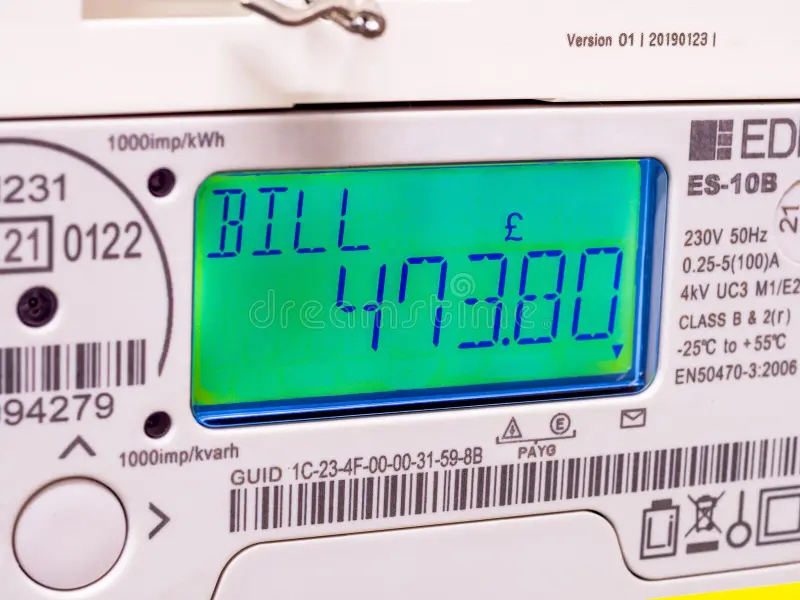
We recently worked with the owner of a detached UK property who had a new air source heat pump installed a few weeks earlier. By the time they contacted us, they were genuinely worried. Their electricity direct debit had increased significantly, they were checking their smart meter multiple times a day, and the heat pump seemed to run almost constantly. Meanwhile, the gas bill that used to arrive every month had essentially disappeared. But psychologically, the vanishing gas bill barely registered. What they noticed, and what felt alarming, was the electricity bill looking nothing like it ever had before. This is one of the most predictable patterns we see after heat pump installations across the UK. The numbers look frightening in isolation. In context, they frequently make complete sense though not always, and that distinction is exactly what this article is here to help with.
Why Electricity Usage Rises After a Heat Pump Install
To understand why your electricity bill increases after a heat pump installation, it helps to understand what a heat pump actually does differently from a boiler. A gas or oil boiler burns fuel inside the property to generate heat. You pay for that fuel separately as a gas standing charge and unit rate, or as periodic oil or LPG deliveries. Electricity runs the boiler’s controls and pump, but the heavy lifting of heat generation is done by burning fuel. A heat pump works entirely on electricity. It uses electrical energy to move heat from outdoor air into the home — a process that is far more efficient than burning fuel, but one that appears entirely on your electricity bill. So when a heat pump replaces a boiler, electricity usage rises because the heat pump now uses electricity to produce all your heating and hot water, while gas usage drops sharply or disappears, oil deliveries stop entirely, and LPG usage falls to zero. The household’s total energy consumption for heating may be very similar or even lower but it now appears in one place. For homeowners accustomed to splitting costs across multiple fuel types, this consolidation can feel like a sharp and unexpected increase even when overall spend has stayed flat or fallen. Our article on heat pump running costs versus fossil fuels sets out a direct comparison that is worth reading alongside this one.
The Psychology of the Electricity Bill
There is also a psychological element worth addressing directly, because it affects almost everyone who makes the switch from gas or oil to a heat pump. Gas and oil costs tend to feel abstract. A monthly direct debit for gas rarely triggers the same level of alarm as a spiking electricity bill. Oil deliveries happen a few times a year and get mentally filed away as one-off costs. LPG tank refills are infrequent enough to avoid feeling like ongoing heating spend. Electricity is different. Most people check their electricity usage far more regularly than they ever tracked their gas consumption. Smart meters make real-time usage visible in a way that a gas meter never did. And the unit rate for electricity in the UK is significantly higher than gas so even when the heat pump is producing heat efficiently, the bill in pounds looks larger than the gas bill did. This combination of higher visibility, higher unit rate, and consolidated costs creates a perfect storm of perceived alarm that does not always reflect the actual financial reality. Comparing your total annual heating spend gas or oil plus electricity historically against your new total electricity bill is the only accurate way to judge whether costs have genuinely risen. Our article on why your heat pump is using so much electricity is a useful companion piece if you are currently in this situation.
When Higher Electricity Bills Signal a Real Problem
Understanding the fuel-switching explanation is important, but it should never be used to explain away a genuine efficiency problem. Heat pumps can and do develop issues from installation, from configuration, or from system design that cause them to use far more electricity than they should. These are real problems with real costs, and they are worth taking seriously. The issues we find most frequently in poorly performing systems are flow temperatures set too high, which is probably the single most common problem. Heat pumps are designed to work efficiently at lower flow temperatures, typically between 35°C and 45°C for a well-designed system. When flow temperatures are set at 55°C, 60°C, or higher often because an installer defaulted to boiler-like settings efficiency drops sharply and electricity consumption rises substantially. A heat pump running at unnecessarily high flow temperatures can use 30 to 50 percent more electricity than it should. Our guide on what flow temperature your heat pump should run at explains the correct approach in detail.
Weather compensation is another area where problems are widespread. This feature automatically adjusts the flow temperature based on outdoor conditions, running cooler on mild days and warmer on cold ones. It is one of the most effective tools for keeping a heat pump running efficiently, yet many systems are installed with it disabled or improperly set. Our guide on what weather compensation actually does and our step-by-step article on how to set weather compensation on a heat pump are both essential reading if you are unsure how yours is currently configured. Immersion heaters running more than necessary are another frequent cause of high electricity bills they can quietly add substantial costs completely independently of how the heat pump itself is performing. Poor scheduling, cycling problems, and badly balanced radiators all contribute further. Our case studies page contains documented real-world examples, including our case study on a new-build in Essex where a COP of just 1.2 was caused by zoning design failures and our article on how to set a heat pump for maximum efficiency.
In the case we mentioned at the start of this article, the culprit was flow temperature. Once this was corrected alongside some control improvements, electricity consumption dropped noticeably and comfort actually improved. The homeowner had been paying more and getting less a combination that is more common than it should be when a system has not been properly set up.
How Heat Pumps Are Supposed to Run
One thing that contributes significantly to post-installation anxiety is that heat pumps simply look and behave differently from boilers, and many homeowners interpret that difference as a sign that something is wrong. A gas boiler fires up, heats the system quickly to a high temperature, and then switches off. You might hear it run for twenty minutes before it cuts out. That pattern is familiar. A heat pump operates at much lower temperatures but runs for far longer periods sometimes continuously during cold weather. On a cold winter day, it is entirely normal for a heat pump to run for many hours without stopping. This is not a fault. It is how the system is designed to work. The extended running allows the heat pump to maintain a steady, comfortable temperature throughout the property without the sharp heat-cool cycles of a boiler. Our article on whether it is normal for a heat pump to run constantly addresses this question directly and is well worth reading if the continuous operation of your system has been a source of concern.
How to Compare Your Running Costs Properly
If you want to assess whether your heat pump is genuinely costing more to run than your old heating system, the most reliable approach is to add up your old annual heating costs your full year of gas bills, oil deliveries, or LPG purchases, plus your previous electricity bills before the heat pump was installed and compare that total against your new annual electricity bill. A month-to-month comparison, particularly in the first few months after installation, will almost never tell the full story. Heat pumps perform best in mild weather and work hardest in cold weather, so a fair assessment needs a full twelve months of data. If you have made changes to the property better insulation, additional rooms the comparison becomes more complex, but the principle remains the same. Our article on are heat pumps worth it in the UK approaches this question from a broader financial perspective and is a useful companion read.
Still Not Sure Whether Your System Is Working Correctly?
If you have done the full-year comparison and costs still feel disproportionate, or if the house simply does not feel as warm as it should despite the bills, it is worth getting the system properly assessed by someone with no commercial interest in the outcome. Our Full Performance Review is designed specifically for this situation a structured remote assessment of your system settings, running data, and design to identify whether there are configuration or design issues driving unnecessary costs. In many cases, relatively small changes make a significant difference to both comfort and running cost. We have documented a number of these in our case studies section, including the Victorian terrace in Bristol where lukewarm radiators on cold days turned out to be caused by heat loss in buried pipework rather than any fault with the heat pump itself a reminder that poor system design can produce symptoms that look like heat pump failure. If you are still at the planning stage and want to avoid these problems before they start, our Pre-Installation Design and Heat Loss Review independently checks heat loss calculations, radiator sizing, and system design before installation begins.
Related reading: Do I Need to Inform the Electricity Grid Before Installing a Heat Pump? · How to Reduce Heat Pump Electricity Bills
Why One Homeowner’s Electricity Bills Doubled After a Heat Pump Install
One of the most common calls we receive at UK Heat Pump Help goes something like this: “Our electricity bill has doubled since the heat pump was installed something must have gone wrong.” Sometimes that concern is entirely justified. But in a significant number of cases, nothing has actually gone wrong at all. What has happened is that the home has moved almost all of its heating demand away from gas, oil, or LPG and onto electricity instead. The bill looks alarming because electricity is now doing a job that used to be spread invisibly across two or three separate fuel sources. The single most important shift in thinking after a heat pump installation is this: stop looking at your electricity bill alone. Start looking at your total annual heating cost. That one change in perspective resolves most of the confusion but not all of it, because rising electricity costs after a heat pump installation can sometimes signal a genuine problem, and knowing the difference matters enormously.
A Real Example: When Panic Set In
We recently worked with the owner of a detached UK property who had a new air source heat pump installed a few weeks earlier. By the time they contacted us, they were genuinely worried. Their electricity direct debit had increased significantly, they were checking their smart meter multiple times a day, and the heat pump seemed to run almost constantly. Meanwhile, the gas bill that used to arrive every month had essentially disappeared. But psychologically, the vanishing gas bill barely registered. What they noticed, and what felt alarming, was the electricity bill looking nothing like it ever had before. This is one of the most predictable patterns we see after heat pump installations across the UK. The numbers look frightening in isolation. In context, they frequently make complete sense though not always, and that distinction is exactly what this article is here to help with.
Why Electricity Usage Rises After a Heat Pump Install
To understand why your electricity bill increases after a heat pump installation, it helps to understand what a heat pump actually does differently from a boiler. A gas or oil boiler burns fuel inside the property to generate heat. You pay for that fuel separately as a gas standing charge and unit rate, or as periodic oil or LPG deliveries. Electricity runs the boiler’s controls and pump, but the heavy lifting of heat generation is done by burning fuel. A heat pump works entirely on electricity. It uses electrical energy to move heat from outdoor air into the home — a process that is far more efficient than burning fuel, but one that appears entirely on your electricity bill. So when a heat pump replaces a boiler, electricity usage rises because the heat pump now uses electricity to produce all your heating and hot water, while gas usage drops sharply or disappears, oil deliveries stop entirely, and LPG usage falls to zero. The household’s total energy consumption for heating may be very similar or even lower but it now appears in one place. For homeowners accustomed to splitting costs across multiple fuel types, this consolidation can feel like a sharp and unexpected increase even when overall spend has stayed flat or fallen. Our article on heat pump running costs versus fossil fuels sets out a direct comparison that is worth reading alongside this one.
The Psychology of the Electricity Bill
There is also a psychological element worth addressing directly, because it affects almost everyone who makes the switch from gas or oil to a heat pump. Gas and oil costs tend to feel abstract. A monthly direct debit for gas rarely triggers the same level of alarm as a spiking electricity bill. Oil deliveries happen a few times a year and get mentally filed away as one-off costs. LPG tank refills are infrequent enough to avoid feeling like ongoing heating spend. Electricity is different. Most people check their electricity usage far more regularly than they ever tracked their gas consumption. Smart meters make real-time usage visible in a way that a gas meter never did. And the unit rate for electricity in the UK is significantly higher than gas so even when the heat pump is producing heat efficiently, the bill in pounds looks larger than the gas bill did. This combination of higher visibility, higher unit rate, and consolidated costs creates a perfect storm of perceived alarm that does not always reflect the actual financial reality. Comparing your total annual heating spend gas or oil plus electricity historically against your new total electricity bill is the only accurate way to judge whether costs have genuinely risen. Our article on why your heat pump is using so much electricity is a useful companion piece if you are currently in this situation.
When Higher Electricity Bills Signal a Real Problem
Understanding the fuel-switching explanation is important, but it should never be used to explain away a genuine efficiency problem. Heat pumps can and do develop issues from installation, from configuration, or from system design that cause them to use far more electricity than they should. These are real problems with real costs, and they are worth taking seriously. The issues we find most frequently in poorly performing systems are flow temperatures set too high, which is probably the single most common problem. Heat pumps are designed to work efficiently at lower flow temperatures, typically between 35°C and 45°C for a well-designed system. When flow temperatures are set at 55°C, 60°C, or higher often because an installer defaulted to boiler-like settings efficiency drops sharply and electricity consumption rises substantially. A heat pump running at unnecessarily high flow temperatures can use 30 to 50 percent more electricity than it should. Our guide on what flow temperature your heat pump should run at explains the correct approach in detail.
Weather compensation is another area where problems are widespread. This feature automatically adjusts the flow temperature based on outdoor conditions, running cooler on mild days and warmer on cold ones. It is one of the most effective tools for keeping a heat pump running efficiently, yet many systems are installed with it disabled or improperly set. Our guide on what weather compensation actually does and our step-by-step article on how to set weather compensation on a heat pump are both essential reading if you are unsure how yours is currently configured. Immersion heaters running more than necessary are another frequent cause of high electricity bills they can quietly add substantial costs completely independently of how the heat pump itself is performing. Poor scheduling, cycling problems, and badly balanced radiators all contribute further. Our case studies page contains documented real-world examples, including our case study on a new-build in Essex where a COP of just 1.2 was caused by zoning design failures and our article on how to set a heat pump for maximum efficiency.
In the case we mentioned at the start of this article, the culprit was flow temperature. Once this was corrected alongside some control improvements, electricity consumption dropped noticeably and comfort actually improved. The homeowner had been paying more and getting less a combination that is more common than it should be when a system has not been properly set up.
How Heat Pumps Are Supposed to Run
One thing that contributes significantly to post-installation anxiety is that heat pumps simply look and behave differently from boilers, and many homeowners interpret that difference as a sign that something is wrong. A gas boiler fires up, heats the system quickly to a high temperature, and then switches off. You might hear it run for twenty minutes before it cuts out. That pattern is familiar. A heat pump operates at much lower temperatures but runs for far longer periods sometimes continuously during cold weather. On a cold winter day, it is entirely normal for a heat pump to run for many hours without stopping. This is not a fault. It is how the system is designed to work. The extended running allows the heat pump to maintain a steady, comfortable temperature throughout the property without the sharp heat-cool cycles of a boiler. Our article on whether it is normal for a heat pump to run constantly addresses this question directly and is well worth reading if the continuous operation of your system has been a source of concern.
How to Compare Your Running Costs Properly
If you want to assess whether your heat pump is genuinely costing more to run than your old heating system, the most reliable approach is to add up your old annual heating costs your full year of gas bills, oil deliveries, or LPG purchases, plus your previous electricity bills before the heat pump was installed and compare that total against your new annual electricity bill. A month-to-month comparison, particularly in the first few months after installation, will almost never tell the full story. Heat pumps perform best in mild weather and work hardest in cold weather, so a fair assessment needs a full twelve months of data. If you have made changes to the property better insulation, additional rooms the comparison becomes more complex, but the principle remains the same. Our article on are heat pumps worth it in the UK approaches this question from a broader financial perspective and is a useful companion read.
Still Not Sure Whether Your System Is Working Correctly?
If you have done the full-year comparison and costs still feel disproportionate, or if the house simply does not feel as warm as it should despite the bills, it is worth getting the system properly assessed by someone with no commercial interest in the outcome. Our Full Performance Review is designed specifically for this situation a structured remote assessment of your system settings, running data, and design to identify whether there are configuration or design issues driving unnecessary costs. In many cases, relatively small changes make a significant difference to both comfort and running cost. We have documented a number of these in our case studies section, including the Victorian terrace in Bristol where lukewarm radiators on cold days turned out to be caused by heat loss in buried pipework rather than any fault with the heat pump itself a reminder that poor system design can produce symptoms that look like heat pump failure. If you are still at the planning stage and want to avoid these problems before they start, our Pre-Installation Design and Heat Loss Review independently checks heat loss calculations, radiator sizing, and system design before installation begins.
Related reading: Do I Need to Inform the Electricity Grid Before Installing a Heat Pump? · How to Reduce Heat Pump Electricity Bills

Sep 30, 2026
5 min read
Best Electricity Tariffs for Heat Pump Owners in the UK
Read More
Sep 30, 2026
5 min read
Best Electricity Tariffs for Heat Pump Owners in the UK
Read More

Sep 27, 2026
5 min read
Are Heat Pumps Noisy? A UK Guide to Noise Levels and What's Normal
Read More
Sep 27, 2026
5 min read
Are Heat Pumps Noisy? A UK Guide to Noise Levels and What's Normal
Read More

Contact Us
Not Sure Which Service You Need?
Not Sure Which Service You Need?
Not Sure Which Service You Need?
Not Sure Which Service You Need?
Not Sure Which Service You Need?
Whether you need help with an existing heat pump, a pre-installation review, cooling advice, servicing or a room-by-room heat loss survey, send us a few details and we'll point you in the right direction.
Whether you need help with an existing heat pump, a pre-installation review, cooling advice, servicing or a room-by-room heat loss survey, send us a few details and we'll point you in the right direction.
Whether you need help with an existing heat pump, a pre-installation review, cooling advice, servicing or a room-by-room heat loss survey, send us a few details and we'll point you in the right direction.

