Heat Loss in a House: What It Means and Why It Matters for Heat Pumps
Heat Loss in a House: What It Means and Why It Matters for Heat Pumps
Heat Loss in a House: What It Means and Why It Matters for Heat Pumps
Heat Loss in a House: What It Means and Why It Matters for Heat Pumps
Heat Loss in a House: What It Means and Why It Matters for Heat Pumps

UK Heat pump Help Technical Team
Independent Heat Pump Engineer
If you’re looking into heat pumps, you’ve probably heard the term “heat loss” come up more than once. It can sound technical, but it’s actually the single most important factor in determining whether your heat pump will heat your home properly or constantly feel like it’s falling behind.
What Is Heat Loss in a House?
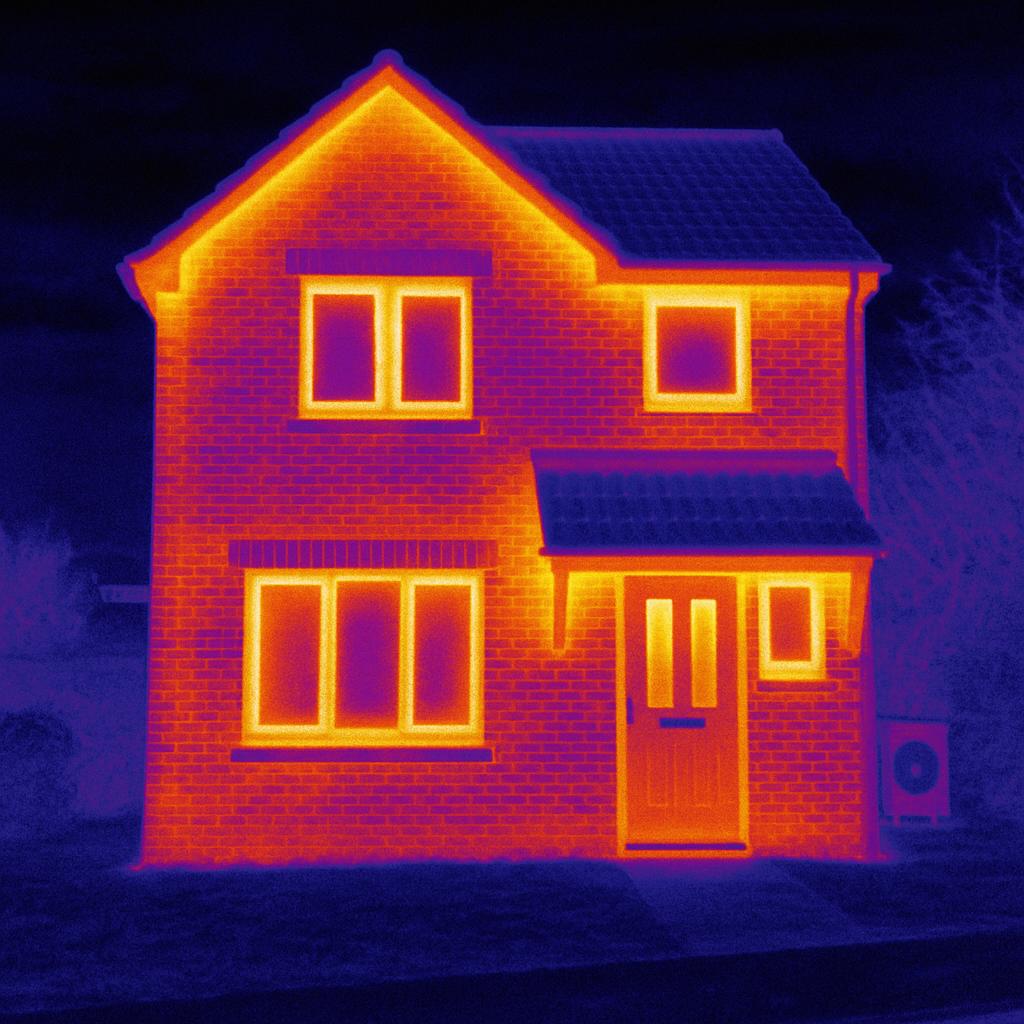
Heat loss is the rate at which warmth escapes from your home. It happens through every surface and gap walls, roof, floors, windows, doors, and air leaks such as draughts around frames or uninsulated pipework. The faster heat leaves the building, the harder your heating system has to work to replace it and maintain a comfortable indoor temperature.
Why Heat Loss Matters Specifically for Heat Pumps
Heat pumps don’t operate the way gas boilers do. A boiler fires up, blasts heat into the system in short bursts, and then switches off. A heat pump works differently — it runs steadily over longer periods at lower flow temperatures, gradually replacing the heat your home loses. This means the system has to be closely matched to your property’s actual heat loss figure. If it isn’t, the house won’t reach temperature, the system will run continuously trying to compensate, and efficiency drops sharply. When it is matched correctly, the house stays comfortable, the system runs in an even, controlled way, and running costs stay predictable. If you want to understand how this affects what you actually pay, our article on heat pump running costs vs fossil fuels covers the real numbers in detail.
How Heat Loss Is Measured
Heat loss is measured in kilowatts (kW) and is calculated based on a combination of factors: the size of your property, the construction type (such as solid brick or cavity wall), insulation levels throughout the building, the type of windows fitted, the target indoor temperature, and the outdoor design temperature for your area. This calculation is carried out through a formal heat loss survey and should always be done before a system is specified or sized.
What Happens When Heat Loss Is Guessed Rather Than Calculated
This is where many installations go wrong. If heat loss is underestimated, the system gets undersized, the house can’t reach temperature on cold days, and flow temperatures get pushed higher in an attempt to compensate. If it’s overestimated, the system is oversized, it short-cycles too frequently, and efficiency suffers in a different way. Either direction causes problems which is why guessing is one of the most common root causes of poor heat pump performance. You can read more about how incorrect setup affects real systems in our heat pump system balancing guide.
Heat Loss and Radiator Sizing
Heat loss doesn’t just affect the heat pump itself it directly determines how large your radiators need to be in each room. Every room loses a certain amount of heat, and the radiators in that room need to replace that heat at the temperature the system is running at. Because heat pumps operate at lower flow temperatures than boilers, radiators need to have more surface area to deliver the same output. This is why radiator upgrades are common when switching from a gas system. If you’re wondering whether your existing radiators are compatible, our article on whether heat pumps work with old radiators explains exactly what to look for.
The Connection Between Heat Loss, Flow Temperature, and Running Costs
Heat loss, radiator sizing, and flow temperature are all directly linked. If the radiators aren’t large enough to meet a room’s heat loss at a low flow temperature, the system compensates by raising the flow temperature. A higher flow temperature means the heat pump has to work harder to produce it, which reduces efficiency and increases electricity consumption. The lower you can keep flow temperature while still meeting heat loss, the more efficiently the system runs. For more on this relationship, see our detailed guide on what flow temperature your heat pump should run at.
Does Poor Insulation Mean a Heat Pump Won’t Work?
Not at all but it does change how the system needs to be designed. A poorly insulated property loses heat faster, which means it needs more heat input to stay warm. This might require larger radiators, a higher-capacity heat pump, or accepting slightly higher flow temperatures and running costs. Heat pumps can work in poorly insulated homes; they just need to be specified correctly for that level of heat loss, not designed as if the property were well insulated. Our article on whether heat pumps work in poorly insulated houses goes into this in detail if you want the full picture.
Where Heat Loss Is Commonly Underestimated
It’s easy to focus on insulation and forget that heat loss also comes from draughts and air leakage, poorly sealed windows or door frames, and uninsulated pipework in unheated spaces. Even small contributions from these sources add up and can push actual heat loss meaningfully higher than a basic calculation suggests. Getting the number right means accounting for all of them.
The Difference Between Comfort and Efficiency
You can heat a house with a higher-than-ideal heat loss figure but there’s a cost. The system will need to run at higher temperatures, efficiency drops, and electricity bills increase. Improving insulation reduces heat loss, which brings the required flow temperature down, improves the heat pump’s coefficient of performance, and lowers running costs over time. It’s not just about comfort it’s about how cost-effective the system is to run month after month.
Why Heat Loss Is the Starting Point for Everything
Heat loss affects the size of the heat pump, the size of the radiators, the required flow temperature, the running costs, and the overall performance of the system. Get it wrong and everything downstream is affected. Get it right and the system has a solid foundation to work from. Heat pumps don’t struggle because they’re inherently weak they struggle when they haven’t been designed around the actual heat loss of the property. That is the difference between a system that quietly and efficiently heats your home and one that constantly feels like it’s chasing performance it can’t quite reach.
Not Sure Whether Your System Has Been Designed Correctly?
If you’re planning a new installation and want to know whether the proposed design actually matches your heat loss, or if your existing system isn’t performing as it should, heat loss is always the place to start. Our Pre-Installation Design & Heat Loss Review covers your property’s heat loss, radiator sizing, and the required system setup so you know exactly what’s needed before anything is committed. If you’re already installed and running into performance issues, our Fix My Heat Pump diagnostic service looks at flow temperatures, system performance, and where heat loss isn’t being matched.
Related reading: What Does Connect and Notify Mean for a Heat Pump?
If you’re looking into heat pumps, you’ve probably heard the term “heat loss” come up more than once. It can sound technical, but it’s actually the single most important factor in determining whether your heat pump will heat your home properly or constantly feel like it’s falling behind.
What Is Heat Loss in a House?
Heat loss is the rate at which warmth escapes from your home. It happens through every surface and gap walls, roof, floors, windows, doors, and air leaks such as draughts around frames or uninsulated pipework. The faster heat leaves the building, the harder your heating system has to work to replace it and maintain a comfortable indoor temperature.
Why Heat Loss Matters Specifically for Heat Pumps
Heat pumps don’t operate the way gas boilers do. A boiler fires up, blasts heat into the system in short bursts, and then switches off. A heat pump works differently — it runs steadily over longer periods at lower flow temperatures, gradually replacing the heat your home loses. This means the system has to be closely matched to your property’s actual heat loss figure. If it isn’t, the house won’t reach temperature, the system will run continuously trying to compensate, and efficiency drops sharply. When it is matched correctly, the house stays comfortable, the system runs in an even, controlled way, and running costs stay predictable. If you want to understand how this affects what you actually pay, our article on heat pump running costs vs fossil fuels covers the real numbers in detail.
How Heat Loss Is Measured
Heat loss is measured in kilowatts (kW) and is calculated based on a combination of factors: the size of your property, the construction type (such as solid brick or cavity wall), insulation levels throughout the building, the type of windows fitted, the target indoor temperature, and the outdoor design temperature for your area. This calculation is carried out through a formal heat loss survey and should always be done before a system is specified or sized.
What Happens When Heat Loss Is Guessed Rather Than Calculated
This is where many installations go wrong. If heat loss is underestimated, the system gets undersized, the house can’t reach temperature on cold days, and flow temperatures get pushed higher in an attempt to compensate. If it’s overestimated, the system is oversized, it short-cycles too frequently, and efficiency suffers in a different way. Either direction causes problems which is why guessing is one of the most common root causes of poor heat pump performance. You can read more about how incorrect setup affects real systems in our heat pump system balancing guide.
Heat Loss and Radiator Sizing
Heat loss doesn’t just affect the heat pump itself it directly determines how large your radiators need to be in each room. Every room loses a certain amount of heat, and the radiators in that room need to replace that heat at the temperature the system is running at. Because heat pumps operate at lower flow temperatures than boilers, radiators need to have more surface area to deliver the same output. This is why radiator upgrades are common when switching from a gas system. If you’re wondering whether your existing radiators are compatible, our article on whether heat pumps work with old radiators explains exactly what to look for.
The Connection Between Heat Loss, Flow Temperature, and Running Costs
Heat loss, radiator sizing, and flow temperature are all directly linked. If the radiators aren’t large enough to meet a room’s heat loss at a low flow temperature, the system compensates by raising the flow temperature. A higher flow temperature means the heat pump has to work harder to produce it, which reduces efficiency and increases electricity consumption. The lower you can keep flow temperature while still meeting heat loss, the more efficiently the system runs. For more on this relationship, see our detailed guide on what flow temperature your heat pump should run at.
Does Poor Insulation Mean a Heat Pump Won’t Work?
Not at all but it does change how the system needs to be designed. A poorly insulated property loses heat faster, which means it needs more heat input to stay warm. This might require larger radiators, a higher-capacity heat pump, or accepting slightly higher flow temperatures and running costs. Heat pumps can work in poorly insulated homes; they just need to be specified correctly for that level of heat loss, not designed as if the property were well insulated. Our article on whether heat pumps work in poorly insulated houses goes into this in detail if you want the full picture.
Where Heat Loss Is Commonly Underestimated
It’s easy to focus on insulation and forget that heat loss also comes from draughts and air leakage, poorly sealed windows or door frames, and uninsulated pipework in unheated spaces. Even small contributions from these sources add up and can push actual heat loss meaningfully higher than a basic calculation suggests. Getting the number right means accounting for all of them.
The Difference Between Comfort and Efficiency
You can heat a house with a higher-than-ideal heat loss figure but there’s a cost. The system will need to run at higher temperatures, efficiency drops, and electricity bills increase. Improving insulation reduces heat loss, which brings the required flow temperature down, improves the heat pump’s coefficient of performance, and lowers running costs over time. It’s not just about comfort it’s about how cost-effective the system is to run month after month.
Why Heat Loss Is the Starting Point for Everything
Heat loss affects the size of the heat pump, the size of the radiators, the required flow temperature, the running costs, and the overall performance of the system. Get it wrong and everything downstream is affected. Get it right and the system has a solid foundation to work from. Heat pumps don’t struggle because they’re inherently weak they struggle when they haven’t been designed around the actual heat loss of the property. That is the difference between a system that quietly and efficiently heats your home and one that constantly feels like it’s chasing performance it can’t quite reach.
Not Sure Whether Your System Has Been Designed Correctly?
If you’re planning a new installation and want to know whether the proposed design actually matches your heat loss, or if your existing system isn’t performing as it should, heat loss is always the place to start. Our Pre-Installation Design & Heat Loss Review covers your property’s heat loss, radiator sizing, and the required system setup so you know exactly what’s needed before anything is committed. If you’re already installed and running into performance issues, our Fix My Heat Pump diagnostic service looks at flow temperatures, system performance, and where heat loss isn’t being matched.
Related reading: What Does Connect and Notify Mean for a Heat Pump?

Sep 30, 2026
5 min read
Heat Pump Diverter Valve Problems: Heating and Hot Water Symptoms
Read More
Sep 30, 2026
5 min read
Heat Pump Diverter Valve Problems: Heating and Hot Water Symptoms
Read More

Sep 30, 2026
5 min read
Best Electricity Tariffs for Heat Pump Owners in the UK
Read More
Sep 30, 2026
5 min read
Best Electricity Tariffs for Heat Pump Owners in the UK
Read More


Contact Us
Not Sure Which Service You Need?
Not Sure Which Service You Need?
Not Sure Which Service You Need?
Not Sure Which Service You Need?
Not Sure Which Service You Need?
Whether you need help with an existing heat pump, a pre-installation review, cooling advice, servicing or a room-by-room heat loss survey, send us a few details and we'll point you in the right direction.
Whether you need help with an existing heat pump, a pre-installation review, cooling advice, servicing or a room-by-room heat loss survey, send us a few details and we'll point you in the right direction.
Whether you need help with an existing heat pump, a pre-installation review, cooling advice, servicing or a room-by-room heat loss survey, send us a few details and we'll point you in the right direction.

