Heat Pump Refrigerant Leak: Signs, Causes and What to Do
Heat Pump Refrigerant Leak: Signs, Causes and What to Do
Heat Pump Refrigerant Leak: Signs, Causes and What to Do
Heat Pump Refrigerant Leak: Signs, Causes and What to Do
Heat Pump Refrigerant Leak: Signs, Causes and What to Do

UK Heat pump Help Technical Team
Independent Heat Pump Engineer
Your heat pump is running all day, the house still isn't warm, and the electricity bill has crept up. Someone online says it's probably the refrigerant. Maybe they're right. But in most homes the cause is something else, and the fix is a lot cheaper than people fear.
This guide explains what a refrigerant leak actually looks like, what only looks like one, why you can't top the gas up yourself, and what to do if you think you have a problem.
The short answer
A heat pump's refrigerant is sealed inside the unit. It isn't used up like fuel, so it should never need topping up. If the charge is low, either there is a leak or the unit was filled with the wrong amount when it was installed. Either way, it needs a certified engineer, not a DIY fix.
What refrigerant does in a heat pump
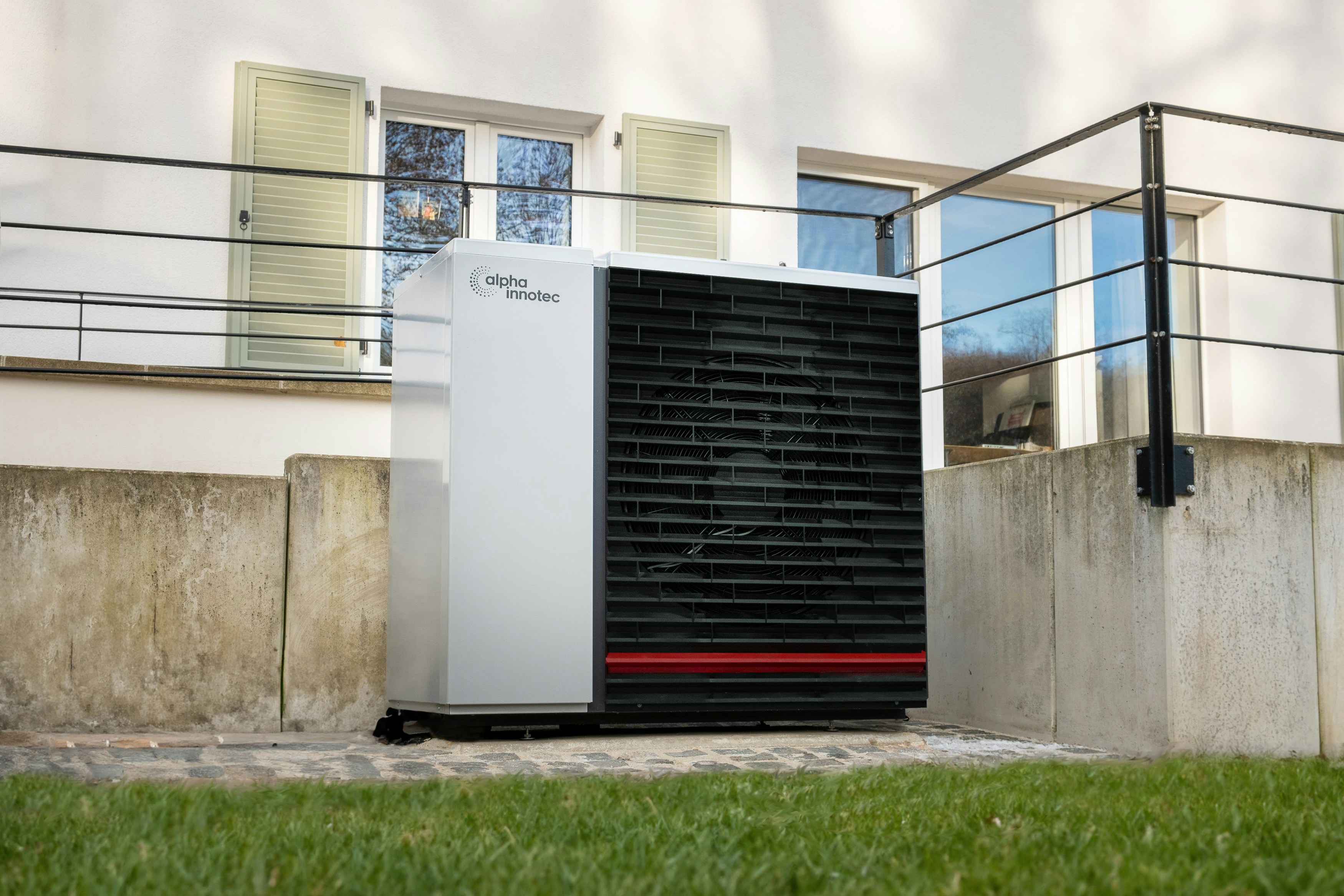
The refrigerant is the fluid that carries heat from the outside air into your home. It circulates round a closed loop inside the outdoor unit, picking up heat from the air, being compressed to raise its temperature, and then handing that heat over to your heating water.
The loop has to hold exactly the right amount. Too little and the system can't move as much heat as it was designed to. That is why a low charge hits performance quickly, and why the effect can be gradual enough that it's easy to blame something else.
Can a heat pump really lose refrigerant?
Yes, but it isn't common, and it isn't normal. The circuit is sealed, so any loss means there is a defect somewhere: a joint, a pipe, a valve or the coil itself. A very small leak can take months or even years to show up, because the unit keeps working with a slowly falling charge.
It's also worth knowing that low refrigerant doesn't always mean an active leak. A unit that was charged incorrectly during installation can behave the same way from day one. Only an engineer with the right equipment can tell which it is.
Signs your heat pump may have a refrigerant leak
No single sign proves a leak. What matters is a pattern, especially one that gets worse over time.
It takes longer to heat the house. The heat pump runs for longer to reach the same temperature, or never quite gets there on cold days when it used to cope.
Your electricity use goes up. With less refrigerant, the compressor works harder for less heat. If your bills rise and the weather and your habits haven't changed, that's worth investigating.
Hot water is slow to heat. The cylinder takes noticeably longer to recover than it did.
More ice than usual on the outdoor unit. A little frost on a cold morning is normal, and units defrost themselves. Heavy or persistent ice, or ice forming on the pipework, can point to a low charge.
Fault codes that keep coming back. Many units log low-pressure or high-pressure faults, or lock out and restart repeatedly. Take a photo of the code and note the date.
A hissing or bubbling sound that doesn't stop. A brief whoosh when the unit changes mode is normal. A constant hiss is not.
Oily residue around a joint or pipe. Refrigerant circuits contain a little oil, and it can leave a greasy stain at the point where gas is escaping.
What looks like a leak but usually isn't
Before you worry, rule out these normal or unrelated things.
Water under the outdoor unit. Heat pumps produce condensate and defrost water, and it has to drain somewhere. A puddle or a wet patch is usually just that.
Steam from the unit. During a defrost cycle, the unit can release a plume of vapour. It looks dramatic but it's water, not refrigerant.
Damp or dripping cold pipes. Cold pipework collects condensation. That's surface moisture, not a leak.
A short whoosh at the start or end of a cycle. That's the reversing valve doing its job.
A heating system can also lose pressure through ordinary water leaks, which is a completely separate issue from the refrigerant circuit. Water on the heating side shows up as dripping pipework, damp patches or a pressure gauge that keeps dropping and needing topped up.
Low output isn't always the refrigerant
This is the part many articles skip. If your heat pump struggles to keep the house warm, the refrigerant is one possible cause among several. Others are more common:
The heat pump is too small for the house, or the original heat loss figures were wrong. Our guide on what size heat pump you actually need explains how sizing goes wrong.
The flow temperature is set too low for your radiators to deliver enough heat.
Radiators are undersized, unbalanced, or air has built up in the system.
A weather compensation curve or thermostat setting is working against the system.
A blocked filter or strainer is restricting water flow.
If you're not sure the unit was sized properly in the first place, a heat loss survey gives you the real numbers. It's far better to rule these out first than to pay for a leak search you didn't need.
Why refrigerant leaks happen
There's rarely one cause. The common ones are:
Poor joints at installation. Refrigerant pipework is joined by brazing or flared connections. If a joint isn't made or tested properly, it can weep slowly for a long time before anyone notices.
Vibration. Outdoor units vibrate when they run. Over years, that can loosen connections or fatigue a pipe, particularly if it isn't supported well.
Corrosion. In coastal areas, including parts of Essex and Suffolk, salty air can corrode the outdoor unit's coil over time.
Physical damage. Garden tools, strimmers, a ladder, a stray football or a bump from a vehicle can damage pipework or fins.
Component failure. Valves, service ports and heat exchangers can fail. An internal heat exchanger fault is harder to find because nothing shows on the outside.
Manufacturing defects. Rare, but they happen, and they often appear early in the life of the unit.
Why you can't top it up yourself
It's tempting to think a refrigerant leak is like a car losing coolant: find the leak, top it up, carry on. It doesn't work like that, for three reasons.
It's regulated. In the UK, the most common refrigerants in heat pumps, R32 and R410A, are F-gases. Handling them is covered by F-Gas rules, so only a certified engineer is allowed to work on them. Another common refrigerant, R290, is propane. It isn't an F-gas, but it is flammable and needs trained hands too.
Topping up without finding the leak is pointless. The gas will escape again, and you'll have released more into the atmosphere for nothing.
You can't see or measure it from the outside. Most heat pumps don't have a pressure gauge you can read. The charge is checked with specialist equipment.
You can check which refrigerant your unit uses on its rating plate, which is usually on the side of the outdoor unit. It's useful information to give an engineer.
What an engineer will do
A proper leak investigation isn't a quick top-up. A qualified engineer will typically:
Check the unit's fault history and operating readings.
Inspect the pipework, joints, valves and coil for oil staining or damage.
Use an electronic leak detector, and sometimes soap solution, pressure testing or UV dye, to find the exact point.
Repair the leak or replace the faulty part.
Remove air and moisture from the circuit, then recharge it with the correct amount of refrigerant by weight.
Record what was found, what was done and how much gas was added.
Ask for that record. It matters for your warranty and for any future work.
What to do if you think your heat pump has a leak
Don't open the unit or try to add gas. Leave the refrigerant circuit alone.
Note what you've seen. Write down the symptoms, take photos of any fault codes, and note when it started. If you can, compare the last few months of electricity use.
Rule out the simple things. Check the system pressure on your heating controller, look for dirty filters or strainers, and make sure nothing has changed in your settings.
If you hear a loud hiss or the unit is behaving strangely, switch it off at the isolator and keep people and pets away from the outdoor unit until it's checked.
Check your warranty first. If the unit is fairly new, speak to the installer or manufacturer before paying for anything. Warranty terms vary, and some require evidence of regular servicing.
Get a certified engineer to find the leak, not just top the gas up. Ask them to explain what they found.
Who pays?
If the heat pump is within its manufacturer's warranty, a refrigerant leak is often covered, though the terms differ between manufacturers and installers. A leak caused by a poor installation is usually something the installer should put right. A leak caused by physical damage or neglect is less likely to be covered.
Outside warranty, the cost depends on where the leak is, how easy it is to reach, which refrigerant is used and how much is needed. A simple joint repair is a very different job from replacing a heat exchanger. On an older unit with an expensive fault, it can make sense to compare the repair against a replacement. Our guides on how much a heat pump repair costs in the UK and whether to repair or replace can help you weigh it up.
How regular servicing helps catch problems early
A good annual service includes a look for signs of leakage, such as oil staining, damaged pipework or an unusual operating pattern. Just as useful is knowing what "normal" looks like for your system. When someone checks your heat pump's performance against your home's actual heat demand every year, a gradual decline stands out, whatever the cause.
That's the idea behind Heat Pump Service Plus: an annual in-person service and assessment of the whole heating system, plus technical support throughout the year. If you only want a standard visit, our one-off heat pump servicing is available as well. If any check points to a refrigerant problem, the next step is a certified F-Gas engineer.
Not sure what's wrong?
The hardest part of a heat pump problem is often working out where to look. Is it the refrigerant, the water side, a setting, the controls or the sizing? Guessing can mean paying for the wrong repair.
Our Fix My Heat Pump service is designed for exactly that. We start with a remote review of your symptoms, settings and fault codes, and tell you honestly whether it looks like something you can adjust, something your installer should fix, or something that needs an engineer on site. You're never obliged to use us for the repair.
If you'd rather talk it through first, you can contact us and describe what's happening.
Frequently asked questions
Can I top up my heat pump's refrigerant myself? No. The refrigerant circuit is sealed, and handling the gas is regulated. Only a certified engineer should add or remove refrigerant, and they should find and fix the leak first.
How long can a heat pump run with a refrigerant leak? It depends on the size of the leak. A slow one can go on for a long time with reduced performance and higher running costs. Running with a low charge can put extra strain on the compressor, so it's not worth waiting.
Is a refrigerant leak dangerous? The outdoor unit sits in open air, so a small leak disperses quickly. Even so, refrigerants should be handled with care, and a unit using R290 propane is flammable. If you hear a loud hiss or notice anything unusual, switch the unit off at the isolator and call an engineer.
Is water under my heat pump a refrigerant leak? Almost certainly not. Heat pumps produce condensate and defrost water that drains from the base of the outdoor unit. Refrigerant is a gas and leaves no puddle.
How do I know which refrigerant my heat pump uses? Look at the rating plate on the outdoor unit, or check the manufacturer's data sheet.
Will a service find a refrigerant leak? A good service looks for signs of leakage, and a leak that's already caused symptoms is often picked up that way. Finding the exact point usually needs a dedicated leak search.
In summary
A heat pump refrigerant leak is uncommon, but it's real, and it's easy to miss because the symptoms creep in slowly. Watch for longer run times, rising bills, slow hot water, persistent ice and repeating fault codes. Rule out the more common causes first. And if the refrigerant is the problem, leave it to a certified engineer, and make sure the leak is found, not just topped up.


Nov 13, 2026
5 min read
Can You Cool Your Home Through Underfloor Heating? And Does It Actually Work?
Read More
Nov 13, 2026
5 min read
Can You Cool Your Home Through Underfloor Heating? And Does It Actually Work?
Read More
Nov 13, 2026
5 min read
Can You Cool Your Home Through Underfloor Heating? And Does It Actually Work?
Read More

Nov 12, 2026
5 min read
Heat Pump Compressor Failure: Signs, Causes and What to Do (UK Guide)
Read More
Nov 12, 2026
5 min read
Heat Pump Compressor Failure: Signs, Causes and What to Do (UK Guide)
Read More
Nov 12, 2026
5 min read
Heat Pump Compressor Failure: Signs, Causes and What to Do (UK Guide)
Read More



Contact Us
Still having heat pump problems? Talk to an engineer today.
Still having heat pump problems? Talk to an engineer today.
Still having heat pump problems? Talk to an engineer today.
Still having heat pump problems? Talk to an engineer today.
Still having heat pump problems? Talk to an engineer today.
Whether you're planning an installation, need a repair or service, or want independent advice, tell us what's happening and we'll point you in the right direction.
Whether you're planning an installation, need a repair or service, or want independent advice, tell us what's happening and we'll point you in the right direction.
Whether you're planning an installation, need a repair or service, or want independent advice, tell us what's happening and we'll point you in the right direction.

