Heat Pumps Near the Coast: Does Salt Air Damage an Air Source Heat Pump?
Heat Pumps Near the Coast: Does Salt Air Damage an Air Source Heat Pump?
Heat Pumps Near the Coast: Does Salt Air Damage an Air Source Heat Pump?
Heat Pumps Near the Coast: Does Salt Air Damage an Air Source Heat Pump?
Heat Pumps Near the Coast: Does Salt Air Damage an Air Source Heat Pump?

UK Heat pump Help Technical Team
Independent Heat Pump Engineer
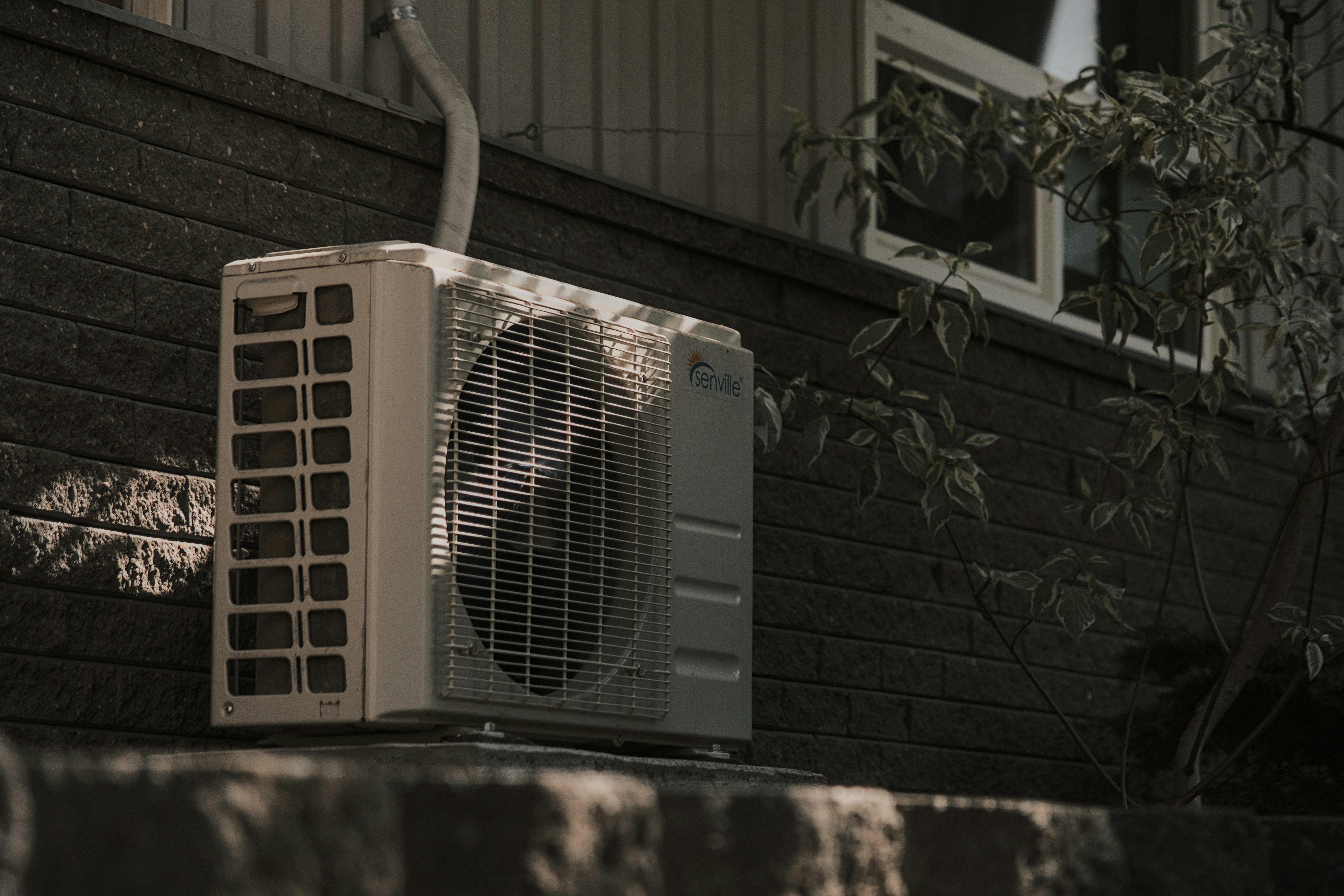
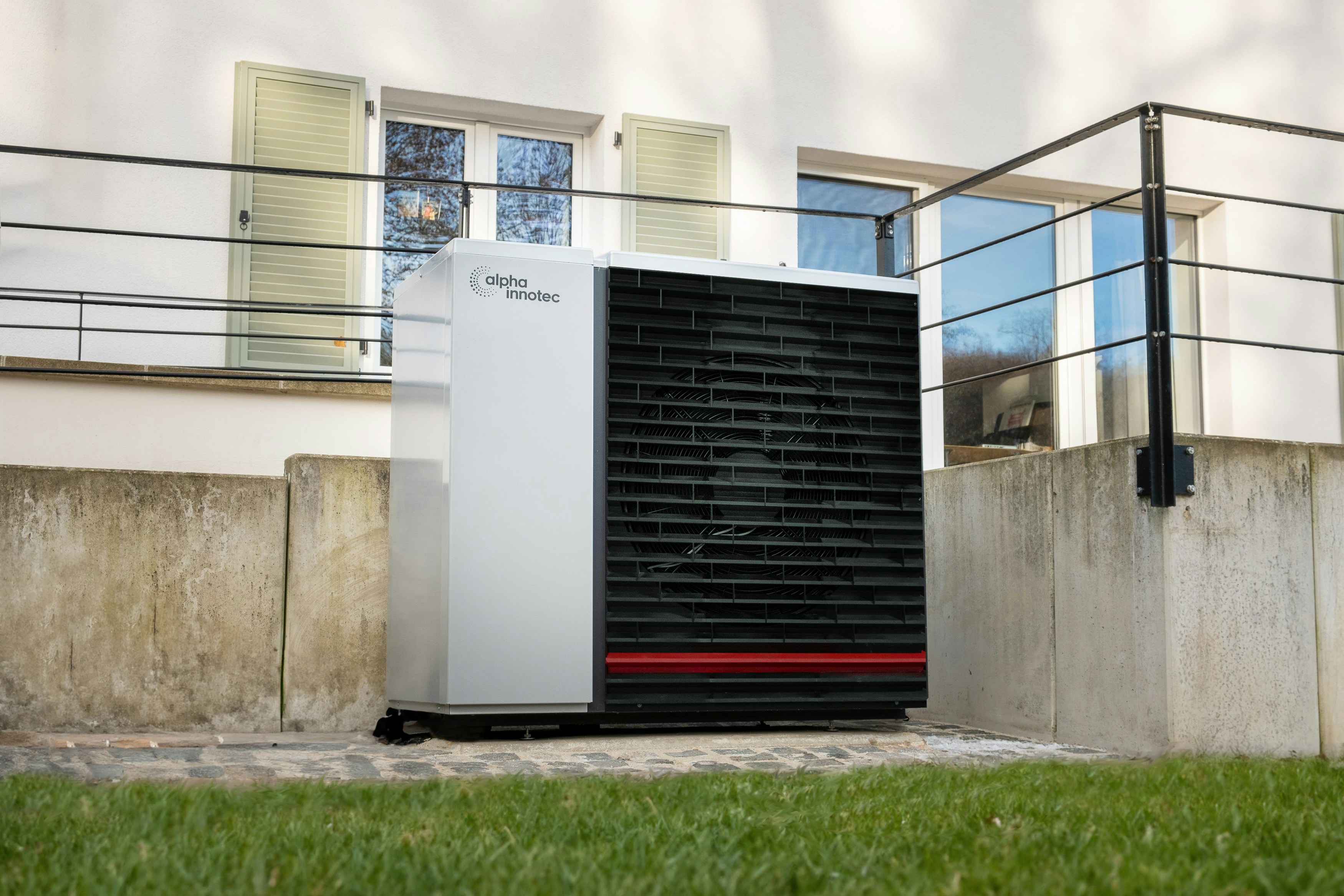
Live near the Essex, Suffolk or Norfolk coast and the question comes up sooner or later: will the salty air shorten the life of my heat pump? It's a fair worry. The outdoor unit sits outside all year, pulling large volumes of air through a finned coil, and if that air carries salt, the unit gets a steady coating of it.
The good news is that coastal homes can run heat pumps perfectly well. The risk is real, but it's manageable with sensible choices at installation and regular checks afterwards. A yearly heat pump service that includes a proper look at the outdoor unit is one of the easiest of those checks.
The short answer
Salt air can speed up corrosion on the outdoor unit, particularly the coil fins, the casing and the fixings. How much it matters depends on how exposed your home is, where the unit is placed and how well it's looked after. A home a few streets back from the sea is not in the same position as one on the seafront.
The three things that make the biggest difference are:
choosing a unit and warranty that suit your exposure
placing the unit away from direct, salt-laden wind
cleaning and inspecting it regularly
Why salt is hard on an outdoor unit
The outdoor unit works by moving air across a coil made of thin aluminium fins. Anything in that air ends up on the coil, and that includes fine salt spray from the sea and estuaries. Salt on its own is not the whole story. Combined with damp, it speeds up corrosion on metal surfaces, and the thin fins are among the first places to show it.
Over time, that can lead to a few things:
Reduced airflow and heat transfer. A crusted or damaged coil doesn't move heat as well, so the unit has to work harder for the same output.
Damaged or crumbling fins. Pitted fins lose their shape and effectiveness.
Rust and flaking on the casing, fan guard and fixings. Mostly cosmetic at first, but it can become structural.
Pinhole leaks in the coil. In more advanced cases, corrosion can eat through the coil tubing and cause a refrigerant leak, which needs a qualified engineer to repair.
None of that happens overnight. For most homes it's a slow process, which is why regular checks work so well.
Is your home actually "coastal"?
There's no single line on the map. Exposure depends on several things:
Distance from the sea or an estuary. Closer means more salt in the air. Estuary and tidal areas count too.
Prevailing wind. A unit facing the open sea gets far more salt than one sheltered behind the house.
Open ground versus buildings. Houses on open, exposed land take more spray than those shielded by other buildings or trees.
Weather. Storms and strong onshore winds carry salt much further inland than calm days.
A simple, practical test: if you can taste or smell the sea on a windy day, or you find a salty crust on windows, garden furniture or the car, assume your outdoor unit is exposed to salt too.
Signs of salt damage to look for
Check the outdoor unit every few months, looking at it from the outside only. Things worth noting:
white, powdery or crusty deposits on the casing or coil
bubbling, flaking or peeling paint
rust streaks or orange staining around screws, brackets and the base
bent, pitted or crumbling fins on the coil
a unit that seems to struggle more than it used to
One thing that is not a sign of salt damage: white steam rising from the unit in cold weather. That's usually the defrost cycle, and our article on why your heat pump produces steam explains why it's normal.
If the system is showing a fault code, check our guide to common heat pump fault codes before assuming the cause. A fault code on its own doesn't point to corrosion.
What to ask before you install near the coast
If you're planning a new installation, raise the coastal question early rather than after the unit is on the wall. Good questions for any installer:
Does this manufacturer offer a coil with a corrosion-resistant coating, or a coastal version of the unit?
What does the warranty say about corrosion or coastal locations? Some manufacturers limit or exclude cover in exposed areas, and the rules vary.
Where will the unit go, and why there? How exposed is that spot to the prevailing wind?
What will the unit sit on, and what are the brackets, fixings and bases made from?
How will you protect the electrical isolator and pipework outside?
Get the answers in writing. If you're planning a heat pump near the coast in Essex, Suffolk or parts of Norfolk, you can request an installation quote and tell us your postcode and how exposed the site is.
It's also worth reading what really happens on installation day, and why the first year matters, in our article on air source heat pump installation. Problems that show up early are much easier to put right while the installer is still responsible.
Placement tips that help
Placement is the one decision you can't easily change later, and it makes a real difference.
Avoid facing the unit straight into the prevailing sea wind if there is a sensible alternative.
Use the building for shelter where you can, without boxing the unit in. Never block airflow or leave too little space around it. Poor airflow causes its own problems, so follow the manufacturer's clearance rules.
Don't build a tight enclosure. A fence or screen that traps air can make the unit recirculate its own cold air and perform worse.
Keep it off the ground. A proper, level base helps keep it clear of standing water, splashes and debris.
Use suitable fixings. Stainless or well-protected brackets and screws hold up much better than basic ones.
None of this replaces following the manufacturer's installation instructions. If a recommended position conflicts with a coastal-friendly one, ask your installer to explain the trade-off.
Looking after a coastal heat pump
This is where most of the long-term protection comes from.
What you can do yourself
Look over the outdoor unit regularly, as above.
Keep plants, leaves and debris clear of the unit, and keep the base area tidy.
Follow the cleaning advice in your manual. In general that means switching the unit off at the isolator first, and rinsing salt deposits from the casing and coil with fresh, low-pressure water. Never use a pressure washer, which can bend the fins.
Take dated photos so you can see changes over time and show them if you ever need to make a warranty claim.
If you're unsure about cleaning your particular unit, ask your engineer before you try it.
What an engineer should check at the annual service
the condition of the coil and fins
the casing, fan guard, base and fixings for corrosion
the condensate drain, so water is clearing properly
how the unit is running, so any loss in performance is caught early
Something like this is part of a good heat pump service, and our Service Plus plan adds year-round technical support and a look at the whole heating system, not just the outdoor unit.
Anything involving the refrigerant circuit, including a suspected leak or a damaged coil, needs a suitably qualified engineer. Please don't try to repair it yourself.
Can corrosion be fixed?
It depends how far it has gone.
Light surface deposits and early corrosion: usually dealt with by cleaning, and by treating or touching up damaged paintwork before it spreads.
Damaged fins: a technician may be able to straighten some fins, but badly damaged areas reduce performance.
Corroded coil or a refrigerant leak: this is a repair that may need a new coil or other parts, and costs vary a lot by model.
If you're worried the system is already underperforming, our heat pump repair service includes remote diagnosis as well as local engineer visits, so you can find out what's going on before committing to work.
If you suspect corrosion and the unit is under warranty
Read the warranty terms first. Corrosion and coastal conditions are a common area of exclusion or limited cover, but the wording differs between manufacturers. Photograph the damage with dates, keep your service records and installation paperwork together, and report it promptly. If the problem appeared soon after installation and you think placement or product choice was part of it, our article on heat pump problems after installation and who's actually responsible will help you work out where to start.
Frequently asked questions
Can you install a heat pump near the sea?
Yes. Many are installed in coastal areas. The key is to account for salt exposure in the choice of unit, the warranty terms, the placement and the ongoing maintenance.
How long does a coastal heat pump last?
There's no fixed figure. Lifespan depends on exposure, how well the unit is protected and how regularly it's inspected and cleaned. Units that are sheltered, well placed and serviced each year generally cope better than neglected ones.
Should I wash my heat pump to remove salt?
Often a gentle rinse is helpful, but check your manual first. Switch the unit off at the isolator, use low-pressure fresh water and never a pressure washer. If you're unsure, ask your service engineer to do it.
Does the warranty cover salt corrosion?
Not always. Some manufacturers limit or exclude corrosion cover in coastal or highly exposed locations. Read your terms or ask the manufacturer directly.
How often should a coastal heat pump be serviced?
At least once a year, like any heat pump. If you're very close to the sea, ask your engineer whether extra visual checks between services make sense.
Protect your heat pump before problems start
Salt air isn't a reason to avoid a heat pump, but it is a reason to be a bit more careful about where it goes and how it's looked after. If you'd like an engineer to check the outdoor unit and the wider system, or you're planning an installation near the coast, get in touch and we'll point you to the right service.

Nov 24, 2026
5 min read
Heat Pump Breakdown Cover UK: Do You Need It, or Is a Service Plan Enough?
Read More
Nov 24, 2026
5 min read
Heat Pump Breakdown Cover UK: Do You Need It, or Is a Service Plan Enough?
Read More
Nov 24, 2026
5 min read
Heat Pump Breakdown Cover UK: Do You Need It, or Is a Service Plan Enough?
Read More

Nov 22, 2026
5 min read
Boiler Upgrade Scheme 2026: How the £9,000 and £7,500 Heat Pump Grants Work
Read More
Nov 22, 2026
5 min read
Boiler Upgrade Scheme 2026: How the £9,000 and £7,500 Heat Pump Grants Work
Read More
Nov 22, 2026
5 min read
Boiler Upgrade Scheme 2026: How the £9,000 and £7,500 Heat Pump Grants Work
Read More


Contact Us
Still having heat pump problems? Talk to an engineer today.
Still having heat pump problems? Talk to an engineer today.
Still having heat pump problems? Talk to an engineer today.
Still having heat pump problems? Talk to an engineer today.
Still having heat pump problems? Talk to an engineer today.
Whether you're planning an installation, need a repair or service, or want independent advice, tell us what's happening and we'll point you in the right direction.
Whether you're planning an installation, need a repair or service, or want independent advice, tell us what's happening and we'll point you in the right direction.
Whether you're planning an installation, need a repair or service, or want independent advice, tell us what's happening and we'll point you in the right direction.

