Why Does My Heat Pump Produce Steam?
Why Does My Heat Pump Produce Steam?
Why Does My Heat Pump Produce Steam?
Why Does My Heat Pump Produce Steam?
Why Does My Heat Pump Produce Steam?

UK Heat pump Help Technical Team
Independent Heat Pump Engineer
White steam coming from your heat pump’s outdoor unit is almost always caused by a normal defrost cycle. As the heat pump extracts heat from the outside air, moisture in that air freezes onto the outdoor heat exchanger. To clear it, the heat pump briefly reverses its refrigeration cycle, melting the ice, and the resulting water vapour rises as the white cloud you can see. This typically lasts 5 to 10 minutes and happens automatically, without you needing to do anything. It becomes a genuine concern only if defrosting happens excessively, ice never fully clears, or your home stops reaching temperature alongside it.
The rest of this guide covers exactly how and why that process works, what’s genuinely normal to see and hear during it, how it differs from smoke, and the specific warning signs that mean it’s time to get the system properly checked rather than simply watching and waiting.
How does a heat pump’s defrost cycle actually work?
An air source heat pump works by pulling heat energy out of the outdoor air, even when that air is cold, and transferring it into your home’s heating system. To do that efficiently, the outdoor unit contains a heat exchanger coil that the outside air passes across. In cold, damp UK conditions, moisture in that air condenses onto the coil and freezes, exactly the way frost forms on a car windscreen overnight.
Left unaddressed, that ice layer would insulate the coil from the air passing over it, meaning the heat pump would extract less and less heat over time despite using the same amount of electricity. Eventually, the coil could ice over so completely that airflow through it stops almost entirely, and heating output would drop sharply.
To prevent that, the heat pump’s controller monitors the coil temperature and, when conditions suggest ice has built up, temporarily reverses the refrigeration cycle. Instead of extracting heat from the outside air, the system briefly sends heat from inside the refrigerant loop out to the coil, warming it just enough to melt the ice that’s formed. Once the coil is clear, the system reverses back to normal heating operation. That melting ice is where the visible steam comes from, it’s simply water vapour rising off a coil that’s momentarily warmer than the surrounding cold air, the same way steam rises off a hot road after rain.
In short: the steam isn’t a malfunction. It’s the visible signature of the heat pump actively protecting its own performance.
What should you expect to see and hear during a defrost cycle?
A normal defrost cycle typically lasts somewhere between 5 and 10 minutes, though this can stretch slightly longer in particularly cold, humid conditions. During that window, several things are completely normal and expected:
White steam rising from the top or sides of the outdoor unit, most visible on cold, still days when the temperature contrast is sharpest. Water dripping or draining from underneath the unit as the melted ice runs off, which is why outdoor units are normally sited over a drainage point or gravel bed rather than a flat solid surface. The outdoor fan slowing down noticeably or stopping completely for the duration of the cycle, since airflow isn’t needed while the coil is being warmed rather than used to extract heat. A brief dip or pause in heating output, since the system’s energy is temporarily going toward clearing the coil rather than heating your home. And occasionally a change in the sound of the unit, sometimes described as a soft whooshing or a change in compressor tone, as the refrigerant cycle reverses.
None of these individually indicate a fault. They’re simply what a defrost cycle looks and sounds like from outside the unit.
How often should a heat pump defrost?
There’s no fixed schedule, and that’s intentional rather than a sign of inconsistency. Your heat pump doesn’t defrost on a timer, it defrosts based on what its sensors are actually detecting on the outdoor coil at that moment. On a dry, mild winter day, your system might not defrost at all. On a cold, damp, still morning, exactly the conditions where frost forms fastest, it might defrost several times within just a few hours.
As a very general guide, defrosting somewhere in the range of every 45 minutes to a couple of hours during genuinely cold, humid weather is considered normal for most UK air source heat pumps. What matters far more than the exact frequency is whether each cycle successfully clears the ice and returns the system to normal heating afterwards. A heat pump defrosting occasionally throughout a frosty week is doing exactly what it’s designed to do.
When does steam actually indicate a problem?
The steam itself was never the issue, it’s the pattern surrounding it that matters. It’s worth getting your system properly investigated if any of the following are happening:
The heat pump is defrosting every few minutes rather than every hour or two, meaning it’s spending an unusually large proportion of its runtime clearing ice rather than heating your home. Thick ice never fully melts from the outdoor unit even once a defrost cycle has finished, leaving a visible buildup that carries over into the next cycle. Your home is struggling to reach the temperature you’ve set on the thermostat, despite the system apparently running continuously. Fault codes are appearing on your controller display alongside the icing. Large amounts of ice are building up specifically around the fan blades or pooling underneath the unit rather than draining away properly.
Any one of these, particularly in combination, usually points toward an underlying issue rather than simply cold weather. The most common underlying causes include restricted airflow around the outdoor unit, for example from fences, walls, bins, or planting placed too close to it, which starves the coil of the air movement it needs both to extract heat and to defrost properly. Poor condensate drainage, where melted ice has nowhere to go and can refreeze around the base of the unit, sometimes triggering the next defrost cycle prematurely. Incorrect commissioning, where the system’s defrost sensor thresholds or refrigerant charge weren’t set up correctly when the heat pump was first installed. Or a genuine sensor fault, where the controller isn’t accurately reading the coil temperature and is either triggering defrosts unnecessarily or failing to trigger them when they’re actually needed.
Our article on why your heat pump shows a flow error covers several of the same underlying commissioning and design issues that tend to sit behind both flow faults and excessive icing, since the two often share a root cause. Our Samsung E911 error code guide also documents a real case where flow and system design problems produced fault codes that, on the surface, looked completely unrelated to any icing issue, which is a useful comparison if you’re trying to work out whether your symptoms are one isolated problem or part of something wider. If what you’re actually noticing is frequent on-off cycling rather than excessive defrosting specifically, that’s covered in detail separately in Why Does My Heat Pump Keep Turning Off?, since the two symptoms can look similar from the outside but point to different causes. And if your home has genuinely never reached temperature properly since installation, regardless of how much the system seems to be running, our Nottingham hot water and heating case study walks through a real example of exactly that pattern being traced back to system design rather than the heat pump unit itself.
Steam or smoke: how do you tell the difference?
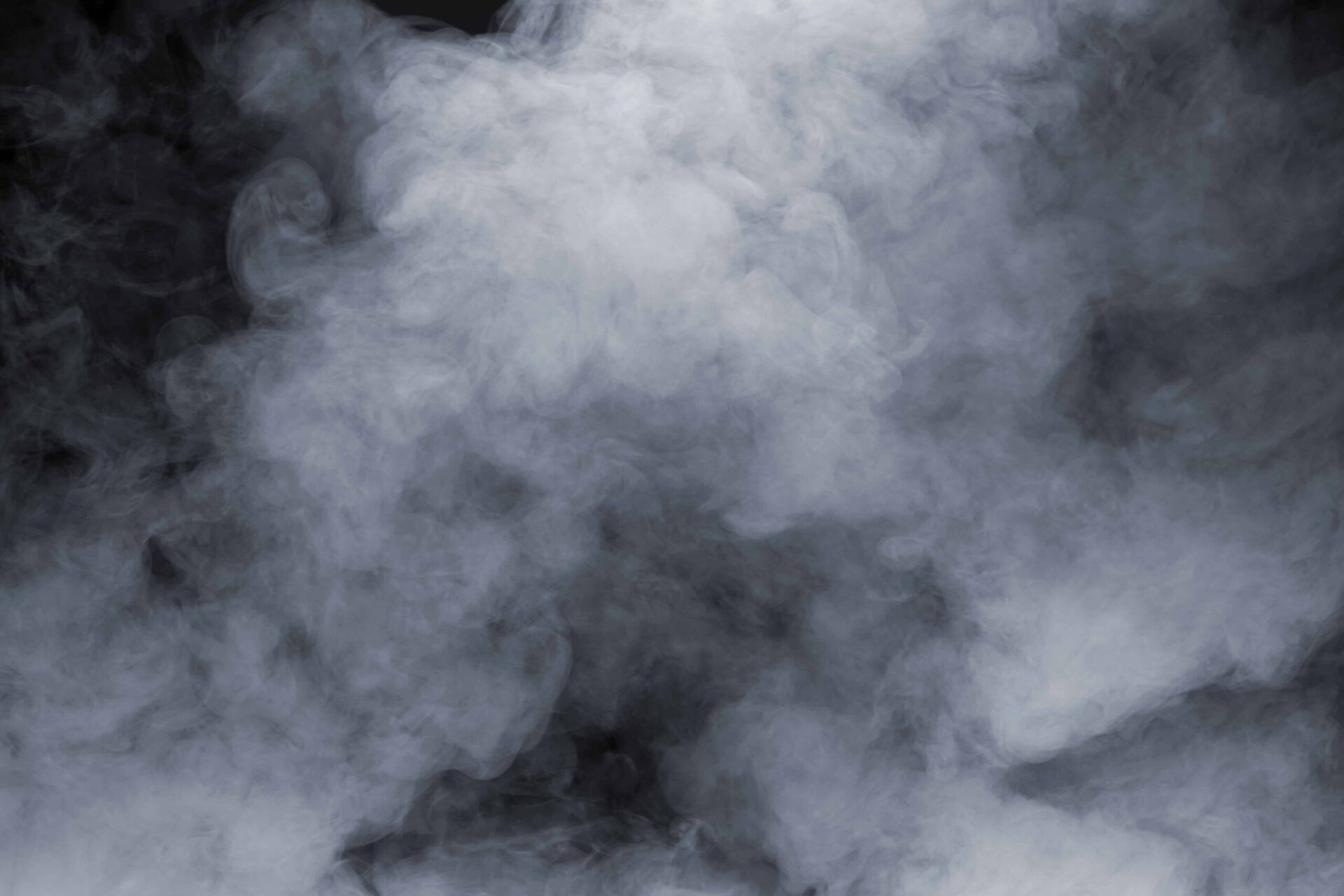
Homeowners quite reasonably mix the two up, especially when glancing at an outdoor unit from a distance in poor light. Steam is white or pale grey, rises and disperses quickly into the surrounding air, and is most visible specifically on cold days, since it needs the temperature contrast with the surrounding air to become visible at all. It carries no smell.
Smoke behaves differently. It usually carries a distinct burning smell, tends to linger in the air rather than dispersing quickly, and can appear a darker grey or black depending on what’s burning. Smoke can indicate an electrical fault inside the unit, a wiring problem, or in rare cases a component failure serious enough to pose a genuine safety risk.
If you ever smell burning, see smoke that doesn’t behave like the steam described above, or notice any other sign consistent with fire, switch the heat pump off at the isolator switch immediately and contact your installer or a qualified engineer straight away. This is the one scenario in this guide where you shouldn’t simply wait and monitor.
Does a defrost cycle affect your heating bill?
Occasional defrosting has a genuinely small impact on running costs and is already factored into how efficiently a correctly designed system operates over a full winter. Excessive defrosting is a different story. If a heat pump is spending a disproportionate amount of its runtime clearing ice rather than actually heating your home, it’s using electricity without delivering comfort in return, which is precisely why the warning signs above are worth taking seriously rather than dismissing as “just what heat pumps do in winter.” A system defrosting far more than it should is often also a system running less efficiently overall, and that inefficiency tends to show up gradually on your electricity bill before it shows up as an obvious fault code.
The bottom line
If your heat pump occasionally produces white steam during cold weather, it’s almost certainly carrying out a normal defrost cycle. The steam is simply water vapour created as ice melts off the outdoor heat exchanger, and it’s a sign the system is actively protecting its own performance, not a sign that anything has failed. Genuine cause for concern comes from the pattern around the steam, not the steam itself: frequent defrosting, ice that never fully clears, a home that won’t reach temperature, or fault codes appearing alongside it.
Need help with your heat pump?
If your heat pump is constantly icing up, spending more time defrosting than heating, or your home still isn’t warming up properly despite all this, our Fix My Heat Pump service provides an independent remote technical review. We’ll look at your fault history, controller settings, and system behaviour to identify whether there’s a genuine issue and, if there is, exactly what’s causing it, rather than guessing and replacing parts speculatively. If commissioning or controller settings turn out to be the underlying cause, our Controller Configuration Review is specifically built to catch exactly that kind of issue.
Planning a heat pump installation?
Getting the design right from the very beginning makes a genuine difference to how a system copes with UK winters, including how well it manages defrosting. Our Pre-Installation Heat Pump Review checks whether your proposed system has been sized correctly, whether the outdoor unit’s location allows for proper airflow and drainage, whether your radiators or emitters are suitable, and whether the overall design is genuinely likely to deliver the comfort and running costs you’re expecting, all before any equipment is installed. A second opinion at this stage can save thousands of pounds and years of frustration later.
Frequently asked questions
Is it normal for a heat pump to steam in cold weather? Yes, this is one of the most common and most normal things a correctly working air source heat pump does during winter, and it’s a sign the defrost cycle is functioning as intended.
How long does a heat pump defrost cycle last? Typically 5 to 10 minutes, though this can run slightly longer in very cold, humid conditions.
Should I turn my heat pump off if I see steam? No. Steam alone is not a reason to switch the system off. Only genuine signs of smoke, a burning smell, or other fire risk warrant switching the unit off immediately.
Why does my heat pump defrost more on some days than others? Defrost frequency is driven by outdoor temperature and humidity, not a timer. Cold, damp, still conditions cause frost to build up faster on the outdoor coil, triggering more frequent defrost cycles.
Does defrosting affect cooling mode too? Defrost cycles are specific to heating mode, since they exist to clear frost from the outdoor coil in cold weather. If your heat pump also provides cooling for summer, that side of the system works on a different principle entirely, and it’s worth understanding how it’s designed if you’re weighing up whether your setup can do both well. Our heat pump cooling service page covers what we assess when reviewing a system’s cooling capability alongside its winter performance.
In short
Steam from your outdoor unit is one of the most misunderstood but least concerning things a heat pump does. It’s simply a well-designed system quietly clearing ice so it can keep heating your home efficiently, and in most cases, the best thing you can do is nothing at all. Save your attention for the pattern around it, not the steam itself, and if anything on this page sounds familiar, a proper technical review will always beat guesswork.
White steam coming from your heat pump’s outdoor unit is almost always caused by a normal defrost cycle. As the heat pump extracts heat from the outside air, moisture in that air freezes onto the outdoor heat exchanger. To clear it, the heat pump briefly reverses its refrigeration cycle, melting the ice, and the resulting water vapour rises as the white cloud you can see. This typically lasts 5 to 10 minutes and happens automatically, without you needing to do anything. It becomes a genuine concern only if defrosting happens excessively, ice never fully clears, or your home stops reaching temperature alongside it.
The rest of this guide covers exactly how and why that process works, what’s genuinely normal to see and hear during it, how it differs from smoke, and the specific warning signs that mean it’s time to get the system properly checked rather than simply watching and waiting.
How does a heat pump’s defrost cycle actually work?
An air source heat pump works by pulling heat energy out of the outdoor air, even when that air is cold, and transferring it into your home’s heating system. To do that efficiently, the outdoor unit contains a heat exchanger coil that the outside air passes across. In cold, damp UK conditions, moisture in that air condenses onto the coil and freezes, exactly the way frost forms on a car windscreen overnight.
Left unaddressed, that ice layer would insulate the coil from the air passing over it, meaning the heat pump would extract less and less heat over time despite using the same amount of electricity. Eventually, the coil could ice over so completely that airflow through it stops almost entirely, and heating output would drop sharply.
To prevent that, the heat pump’s controller monitors the coil temperature and, when conditions suggest ice has built up, temporarily reverses the refrigeration cycle. Instead of extracting heat from the outside air, the system briefly sends heat from inside the refrigerant loop out to the coil, warming it just enough to melt the ice that’s formed. Once the coil is clear, the system reverses back to normal heating operation. That melting ice is where the visible steam comes from, it’s simply water vapour rising off a coil that’s momentarily warmer than the surrounding cold air, the same way steam rises off a hot road after rain.
In short: the steam isn’t a malfunction. It’s the visible signature of the heat pump actively protecting its own performance.
What should you expect to see and hear during a defrost cycle?
A normal defrost cycle typically lasts somewhere between 5 and 10 minutes, though this can stretch slightly longer in particularly cold, humid conditions. During that window, several things are completely normal and expected:
White steam rising from the top or sides of the outdoor unit, most visible on cold, still days when the temperature contrast is sharpest. Water dripping or draining from underneath the unit as the melted ice runs off, which is why outdoor units are normally sited over a drainage point or gravel bed rather than a flat solid surface. The outdoor fan slowing down noticeably or stopping completely for the duration of the cycle, since airflow isn’t needed while the coil is being warmed rather than used to extract heat. A brief dip or pause in heating output, since the system’s energy is temporarily going toward clearing the coil rather than heating your home. And occasionally a change in the sound of the unit, sometimes described as a soft whooshing or a change in compressor tone, as the refrigerant cycle reverses.
None of these individually indicate a fault. They’re simply what a defrost cycle looks and sounds like from outside the unit.
How often should a heat pump defrost?
There’s no fixed schedule, and that’s intentional rather than a sign of inconsistency. Your heat pump doesn’t defrost on a timer, it defrosts based on what its sensors are actually detecting on the outdoor coil at that moment. On a dry, mild winter day, your system might not defrost at all. On a cold, damp, still morning, exactly the conditions where frost forms fastest, it might defrost several times within just a few hours.
As a very general guide, defrosting somewhere in the range of every 45 minutes to a couple of hours during genuinely cold, humid weather is considered normal for most UK air source heat pumps. What matters far more than the exact frequency is whether each cycle successfully clears the ice and returns the system to normal heating afterwards. A heat pump defrosting occasionally throughout a frosty week is doing exactly what it’s designed to do.
When does steam actually indicate a problem?
The steam itself was never the issue, it’s the pattern surrounding it that matters. It’s worth getting your system properly investigated if any of the following are happening:
The heat pump is defrosting every few minutes rather than every hour or two, meaning it’s spending an unusually large proportion of its runtime clearing ice rather than heating your home. Thick ice never fully melts from the outdoor unit even once a defrost cycle has finished, leaving a visible buildup that carries over into the next cycle. Your home is struggling to reach the temperature you’ve set on the thermostat, despite the system apparently running continuously. Fault codes are appearing on your controller display alongside the icing. Large amounts of ice are building up specifically around the fan blades or pooling underneath the unit rather than draining away properly.
Any one of these, particularly in combination, usually points toward an underlying issue rather than simply cold weather. The most common underlying causes include restricted airflow around the outdoor unit, for example from fences, walls, bins, or planting placed too close to it, which starves the coil of the air movement it needs both to extract heat and to defrost properly. Poor condensate drainage, where melted ice has nowhere to go and can refreeze around the base of the unit, sometimes triggering the next defrost cycle prematurely. Incorrect commissioning, where the system’s defrost sensor thresholds or refrigerant charge weren’t set up correctly when the heat pump was first installed. Or a genuine sensor fault, where the controller isn’t accurately reading the coil temperature and is either triggering defrosts unnecessarily or failing to trigger them when they’re actually needed.
Our article on why your heat pump shows a flow error covers several of the same underlying commissioning and design issues that tend to sit behind both flow faults and excessive icing, since the two often share a root cause. Our Samsung E911 error code guide also documents a real case where flow and system design problems produced fault codes that, on the surface, looked completely unrelated to any icing issue, which is a useful comparison if you’re trying to work out whether your symptoms are one isolated problem or part of something wider. If what you’re actually noticing is frequent on-off cycling rather than excessive defrosting specifically, that’s covered in detail separately in Why Does My Heat Pump Keep Turning Off?, since the two symptoms can look similar from the outside but point to different causes. And if your home has genuinely never reached temperature properly since installation, regardless of how much the system seems to be running, our Nottingham hot water and heating case study walks through a real example of exactly that pattern being traced back to system design rather than the heat pump unit itself.
Steam or smoke: how do you tell the difference?
Homeowners quite reasonably mix the two up, especially when glancing at an outdoor unit from a distance in poor light. Steam is white or pale grey, rises and disperses quickly into the surrounding air, and is most visible specifically on cold days, since it needs the temperature contrast with the surrounding air to become visible at all. It carries no smell.
Smoke behaves differently. It usually carries a distinct burning smell, tends to linger in the air rather than dispersing quickly, and can appear a darker grey or black depending on what’s burning. Smoke can indicate an electrical fault inside the unit, a wiring problem, or in rare cases a component failure serious enough to pose a genuine safety risk.
If you ever smell burning, see smoke that doesn’t behave like the steam described above, or notice any other sign consistent with fire, switch the heat pump off at the isolator switch immediately and contact your installer or a qualified engineer straight away. This is the one scenario in this guide where you shouldn’t simply wait and monitor.
Does a defrost cycle affect your heating bill?
Occasional defrosting has a genuinely small impact on running costs and is already factored into how efficiently a correctly designed system operates over a full winter. Excessive defrosting is a different story. If a heat pump is spending a disproportionate amount of its runtime clearing ice rather than actually heating your home, it’s using electricity without delivering comfort in return, which is precisely why the warning signs above are worth taking seriously rather than dismissing as “just what heat pumps do in winter.” A system defrosting far more than it should is often also a system running less efficiently overall, and that inefficiency tends to show up gradually on your electricity bill before it shows up as an obvious fault code.
The bottom line
If your heat pump occasionally produces white steam during cold weather, it’s almost certainly carrying out a normal defrost cycle. The steam is simply water vapour created as ice melts off the outdoor heat exchanger, and it’s a sign the system is actively protecting its own performance, not a sign that anything has failed. Genuine cause for concern comes from the pattern around the steam, not the steam itself: frequent defrosting, ice that never fully clears, a home that won’t reach temperature, or fault codes appearing alongside it.
Need help with your heat pump?
If your heat pump is constantly icing up, spending more time defrosting than heating, or your home still isn’t warming up properly despite all this, our Fix My Heat Pump service provides an independent remote technical review. We’ll look at your fault history, controller settings, and system behaviour to identify whether there’s a genuine issue and, if there is, exactly what’s causing it, rather than guessing and replacing parts speculatively. If commissioning or controller settings turn out to be the underlying cause, our Controller Configuration Review is specifically built to catch exactly that kind of issue.
Planning a heat pump installation?
Getting the design right from the very beginning makes a genuine difference to how a system copes with UK winters, including how well it manages defrosting. Our Pre-Installation Heat Pump Review checks whether your proposed system has been sized correctly, whether the outdoor unit’s location allows for proper airflow and drainage, whether your radiators or emitters are suitable, and whether the overall design is genuinely likely to deliver the comfort and running costs you’re expecting, all before any equipment is installed. A second opinion at this stage can save thousands of pounds and years of frustration later.
Frequently asked questions
Is it normal for a heat pump to steam in cold weather? Yes, this is one of the most common and most normal things a correctly working air source heat pump does during winter, and it’s a sign the defrost cycle is functioning as intended.
How long does a heat pump defrost cycle last? Typically 5 to 10 minutes, though this can run slightly longer in very cold, humid conditions.
Should I turn my heat pump off if I see steam? No. Steam alone is not a reason to switch the system off. Only genuine signs of smoke, a burning smell, or other fire risk warrant switching the unit off immediately.
Why does my heat pump defrost more on some days than others? Defrost frequency is driven by outdoor temperature and humidity, not a timer. Cold, damp, still conditions cause frost to build up faster on the outdoor coil, triggering more frequent defrost cycles.
Does defrosting affect cooling mode too? Defrost cycles are specific to heating mode, since they exist to clear frost from the outdoor coil in cold weather. If your heat pump also provides cooling for summer, that side of the system works on a different principle entirely, and it’s worth understanding how it’s designed if you’re weighing up whether your setup can do both well. Our heat pump cooling service page covers what we assess when reviewing a system’s cooling capability alongside its winter performance.
In short
Steam from your outdoor unit is one of the most misunderstood but least concerning things a heat pump does. It’s simply a well-designed system quietly clearing ice so it can keep heating your home efficiently, and in most cases, the best thing you can do is nothing at all. Save your attention for the pattern around it, not the steam itself, and if anything on this page sounds familiar, a proper technical review will always beat guesswork.
Oct 15, 2026
5 min read
Heat Pump Replacement Cost UK: Repair or Replace?
Read More
Oct 15, 2026
5 min read
Heat Pump Replacement Cost UK: Repair or Replace?
Read More
Oct 14, 2026
5 min read
How to Compare Heat Pump Quotes: What a Good UK Quote Includes (and Red Flags)
Read More
Oct 14, 2026
5 min read
How to Compare Heat Pump Quotes: What a Good UK Quote Includes (and Red Flags)
Read More

Contact Us
Not Sure Which Service You Need?
Not Sure Which Service You Need?
Not Sure Which Service You Need?
Not Sure Which Service You Need?
Not Sure Which Service You Need?
Whether you need help with an existing heat pump, a pre-installation review, cooling advice, servicing or a room-by-room heat loss survey, send us a few details and we'll point you in the right direction.
Whether you need help with an existing heat pump, a pre-installation review, cooling advice, servicing or a room-by-room heat loss survey, send us a few details and we'll point you in the right direction.
Whether you need help with an existing heat pump, a pre-installation review, cooling advice, servicing or a room-by-room heat loss survey, send us a few details and we'll point you in the right direction.

