How Long Does a Heat Pump Installation Take? A Day-by-Day Guide
How Long Does a Heat Pump Installation Take? A Day-by-Day Guide
How Long Does a Heat Pump Installation Take? A Day-by-Day Guide
How Long Does a Heat Pump Installation Take? A Day-by-Day Guide
How Long Does a Heat Pump Installation Take? A Day-by-Day Guide

UK Heat pump Help Technical Team
Independent Heat Pump Engineer
How Long Does a Heat Pump Installation Take? A Day-by-Day Guide
Most air source heat pump installations take between 2 and 5 working days, depending on the property. Replacing a boiler and hot water cylinder, or changing several radiators, sits towards the longer end, and more complicated projects can take longer.
Replacing a boiler with a heat pump involves more than fitting a new outdoor unit. The hot water system, radiators, pipework, controls and electrical supply may all need changes.
At UK Heat Pump Help, we believe a properly planned installation is just as important as the heat pump itself. Here’s what homeowners can expect. The guide below follows a typical five-day installation, and simpler jobs may combine some of these stages.
Stage | Typical timing | What happens |
|---|---|---|
Survey and design | Before work starts | Heat loss calculation, sizing and specification |
Preparation | Day 1 | Removing the old system, preparing the outdoor unit base |
Heat pump and plumbing | Day 2 | Positioning the unit, main pipework and cylinder |
Electrics and controls | Day 3 | Electrical connections, controls, filling and cleaning |
Commissioning and handover | Days 4 to 5 | Testing, setting up and explaining the system |
Before Installation Begins
Much of the important work should happen before the engineers arrive. A properly planned heat pump installation should already have:
A correctly sized heat pump (what size heat pump do I need?).
Radiators checked for the proposed operating temperatures.
Pipework assessed for suitable flow rates.
Hot water cylinder requirements established.
Outdoor unit positioning, noise and drainage agreed, along with any planning requirements.
Electrical requirements checked.
A clear installation specification.
The more work completed during the design stage, the fewer unexpected problems should arise during installation. If you have a quote and aren’t sure the design is right, our Pre-Installation Design Review checks the heat pump size, heat loss figures and radiators before you commit.
Day 1: Preparation and Removing the Existing System
The first day generally involves preparing the property. Depending on the project, this may include removing the existing boiler, draining parts of the heating system and preparing the location for the new hot water cylinder.
Engineers may also begin preparing the base for the outdoor unit. This is usually concrete footings, or a wall bracket where the property suits it. Where footings are used, it helps to prepare them early so they have time to set. Pipework routes can also be prepared.
Not every property requires the existing boiler to be removed immediately. The sequence should be planned to minimise unnecessary disruption.
Day 2: Installing the Heat Pump and Plumbing
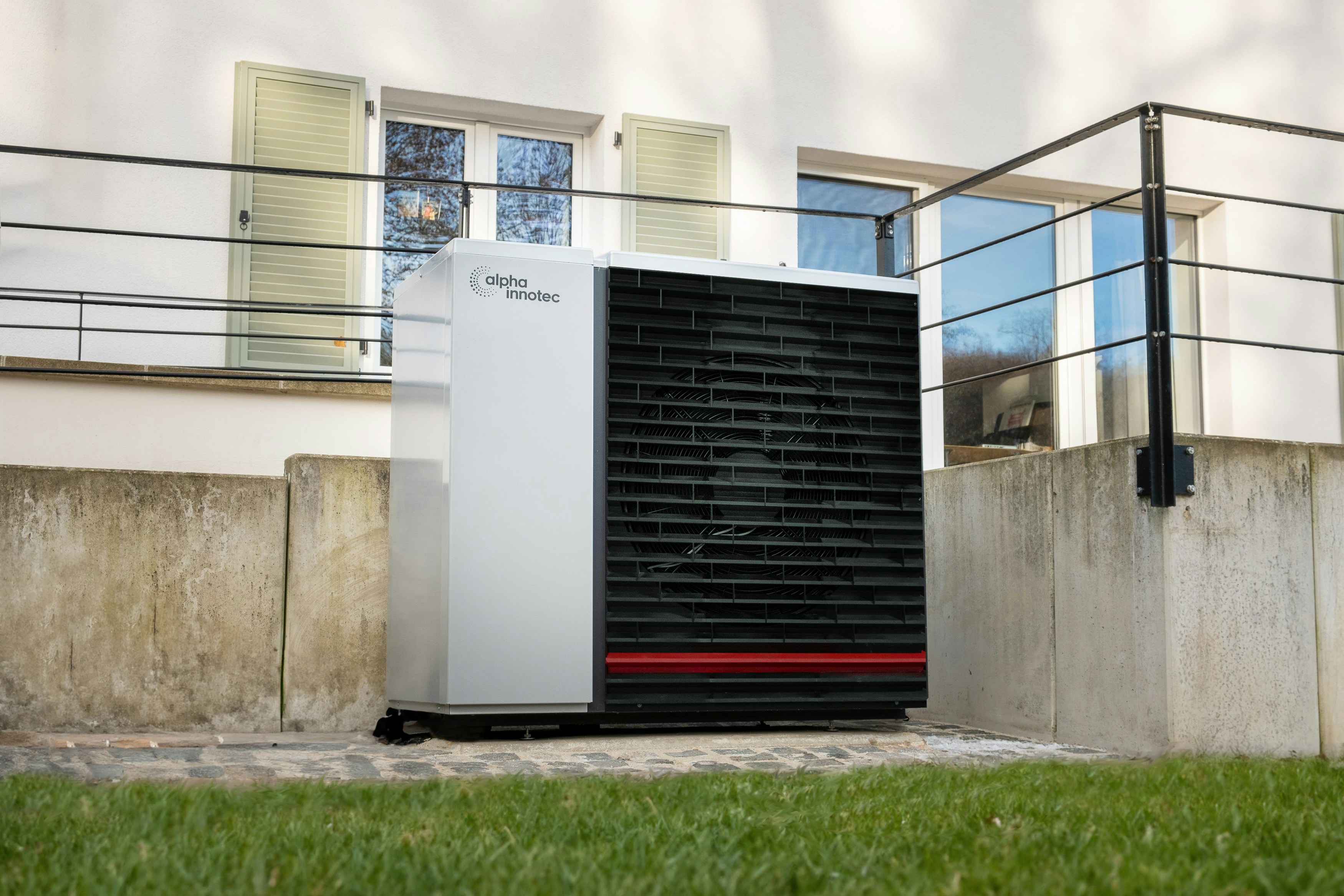
The outdoor heat pump can now be positioned on its prepared base and connected to the heating system. Inside the property, engineers work on the main heating pipework, hot water cylinder and any additional components required by the design.
This is also when changes to radiator pipework or heating circuits may be carried out. A well-designed system should avoid unnecessary components and complicated plumbing arrangements wherever possible.
Day 3: Electrical Connections, Controls and System Preparation
Once the mechanical installation is progressing, the electrical work and controls can be completed. This may include connecting the heat pump’s electrical supply, installing controls and wiring the hot water cylinder components.
The heating system must also be cleaned, filled, checked for leaks and treated with inhibitor, ready for commissioning. Depending on the size and complexity of the installation, some of these tasks may happen earlier or later.
Days 4 to 5: Commissioning and Handover
Commissioning is one of the most important stages. A heat pump should not simply be switched on and left running. The installation team should check that the system operates correctly, including:
Heating circuit flow rates.
Heating system pressures.
Radiator and underfloor heating operation.
Hot water production.
Temperature sensors and control operation.
Weather compensation settings.
Safety functions and applicable manufacturer requirements.
You should also receive an explanation of how to operate the heat pump, how to adjust temperatures and what to expect during normal operation, along with the commissioning records and handover documents.
A correctly commissioned system can still benefit from seasonal heat pump optimisation once it has been running through different outdoor temperatures. If something doesn’t feel right after handover, see our guide to fixing a heat pump that isn’t working properly.
How Long Will You Be Without Heating or Hot Water?
This is one of the most common concerns when replacing an existing boiler, and the answer depends on how the installation has been planned. Where possible, some preparation work can be completed before disconnecting the existing heating system. However, you should expect an interruption to your heating and potentially your hot water during the changeover.
For winter installations, temporary heating arrangements may need to be considered. Your installer should explain the expected interruption before starting work.
What Can Make an Installation Take Longer?
A straightforward installation may take only a few days, while more complicated projects require more time. Typical reasons include:
Replacing numerous radiators.
Significant alterations to existing pipework.
Relocating the hot water cylinder.
Installing new underfloor heating.
Electrical supply upgrades.
Difficult access or groundwork.
Combining heat pump heating with active cooling.
For example, replacing a gas boiler in a modern property with suitable radiators and pipework is generally less involved than converting an older oil-heated property that needs new radiators, a new cylinder and extensive plumbing changes.
Can You Stay in Your Home During Installation?
In most cases, yes. Engineers will need access to different areas of the property, particularly where radiators, pipework or the hot water cylinder are being modified, and there may be periods without heating or hot water. Good communication and a clear installation plan make the process much easier.
Why We Don’t Rush Heat Pump Installations
Our priority is delivering a properly designed and commissioned heating system. A rushed installation can leave customers with poor flow rates, incorrectly configured controls or unnecessary components that affect performance.
We would rather allow the time to do it properly than rush to meet an unrealistic deadline. Every property is different, so the installation programme should be agreed following the initial survey and design. For a full design before you commit, see our independent heat pump design service.
Frequently Asked Questions
How long does an air source heat pump installation take?
Most take between 2 and 5 working days. A full boiler and cylinder replacement with radiator changes takes towards the longer end.
Will I be without heating during installation?
You should expect an interruption during the changeover. Your installer should explain how long before work starts.
Can I stay at home while the installation is done?
In most cases, yes. Engineers will need access to different areas, and there may be periods without heating or hot water.
Can a heat pump be installed in winter?
Yes, but it’s worth planning the changeover and any temporary heating in advance. Weather can also affect outdoor and groundwork stages.
Looking for a Heat Pump Installation?
We arrange professionally designed air source heat pump installations across Essex, Suffolk and parts of Norfolk through our MCS-accredited partner arrangement. We take a whole-system approach, covering heat loss calculations, heating design, equipment selection, installation and commissioning.


Nov 13, 2026
5 min read
Can You Cool Your Home Through Underfloor Heating? And Does It Actually Work?
Read More
Nov 13, 2026
5 min read
Can You Cool Your Home Through Underfloor Heating? And Does It Actually Work?
Read More
Nov 13, 2026
5 min read
Can You Cool Your Home Through Underfloor Heating? And Does It Actually Work?
Read More

Nov 12, 2026
5 min read
Heat Pump Compressor Failure: Signs, Causes and What to Do (UK Guide)
Read More
Nov 12, 2026
5 min read
Heat Pump Compressor Failure: Signs, Causes and What to Do (UK Guide)
Read More
Nov 12, 2026
5 min read
Heat Pump Compressor Failure: Signs, Causes and What to Do (UK Guide)
Read More



Contact Us
Still having heat pump problems? Talk to an engineer today.
Still having heat pump problems? Talk to an engineer today.
Still having heat pump problems? Talk to an engineer today.
Still having heat pump problems? Talk to an engineer today.
Still having heat pump problems? Talk to an engineer today.
Whether you're planning an installation, need a repair or service, or want independent advice, tell us what's happening and we'll point you in the right direction.
Whether you're planning an installation, need a repair or service, or want independent advice, tell us what's happening and we'll point you in the right direction.
Whether you're planning an installation, need a repair or service, or want independent advice, tell us what's happening and we'll point you in the right direction.

