How Often Should You Service a Heat Pump?
How Often Should You Service a Heat Pump?
How Often Should You Service a Heat Pump?
How Often Should You Service a Heat Pump?
How Often Should You Service a Heat Pump?

UK Heat pump Help Technical Team
Independent Heat Pump Engineer
How Often Should You Service a Heat Pump? (UK Guide)
Heat pumps have a reputation for being "fit and forget." Compared to a gas boiler, they do need less hands-on attention. But less maintenance doesn't mean no maintenance. Skipping servicing is one of the quiet reasons we see heat pumps losing efficiency, running up bills, or developing faults that could have been caught early.
Quick answer: Most UK heat pumps should be serviced once every 12 months. This keeps your manufacturer's warranty valid, and if your system is part of a government scheme like the Boiler Upgrade Scheme, annual servicing by an MCS-accredited engineer is usually required to keep that support in place too.
This guide covers why that matters, what a proper service should include, and what happens if it's left too long.
Why Once a Year Is the Standard
Annual servicing is the recommendation across almost every major manufacturer operating in the UK, and it lines up with how MCS-accredited installations are expected to be maintained. If your heat pump was installed under a government scheme, this isn't just good practice. It's usually a condition of keeping that support valid, alongside your manufacturer's warranty.
If you're not sure what your own system requires, check your installation manual or warranty documents. Some manufacturers allow longer intervals for specific models, but annual is the safe default, and missing a required service can invalidate cover without you realising it until you actually need to make a claim.
Why Heat Pumps Still Need Servicing
It's easy to assume that because a heat pump has fewer moving parts than a boiler, it needs less looking after. In some ways that's true. There's no flue to check, no gas safety inspection required, and no combustion to test. But a heat pump is still a mechanical and electrical system, working outdoors in all weather, and several things can drift out of correct operation over a year without ever throwing an obvious fault code:
Refrigerant charge can very gradually reduce
System pressure can drop over time
Filters and strainers can collect debris
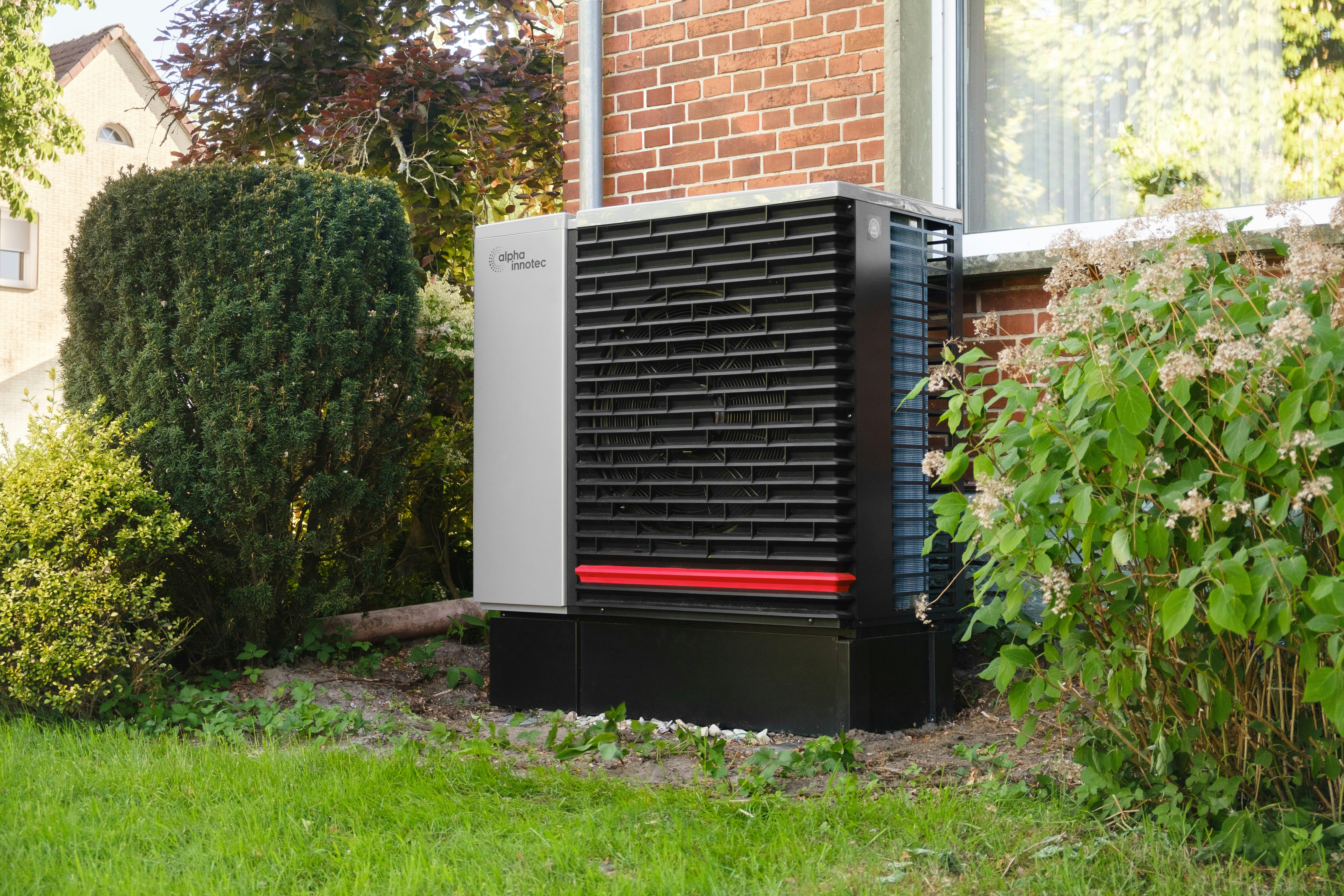
Outdoor unit coils can become dirty or blocked, especially near gardens or driveways
Controller settings can be knocked off from their optimal configuration, sometimes by other engineers working on the wider heating system
Electrical connections can loosen slightly through normal expansion and contraction
None of these show up as a dramatic failure. Instead, they tend to show up as slowly rising bills, or a system that just doesn't feel as good as it used to. That's the kind of gradual change that's easy to miss without a proper comparison point.
What a Heat Pump Service Should Actually Include
Not all "services" are equal. A basic annual check and a thorough service can look very different, and it's worth knowing the difference so you know what you're actually paying for.
A proper heat pump service should cover:
Visual inspection of the outdoor and indoor units for damage, corrosion, or obstruction
Checking refrigerant pressures against the manufacturer's expected values
Cleaning the outdoor unit coil, which can lose efficiency if it's coated in dust, leaves, or pollen
Checking system water pressure and topping up if needed
Inspecting filters and strainers, cleaning or replacing where necessary
Reviewing controller settings, including flow temperature curves and weather compensation
Checking electrical connections for tightness and signs of wear
Reviewing fault history stored in the controller, even if no active fault is currently showing
If a service you've had done didn't touch most of this list, it's worth asking your provider exactly what was checked. Our Heat Pump Service Plus goes beyond a basic annual check, specifically covering flow temperatures, controls, and system pressure in detail, alongside practical advice on getting the most from your system. It's built to actually tell you something useful, not just tick a box.
What Happens If You Skip Servicing
Delaying or skipping a service doesn't usually cause an immediate breakdown. The risk is more gradual, and it tends to show up in a few common ways.
Rising running costs. A heat pump with a slightly low refrigerant charge or a dirty outdoor coil has to work harder to deliver the same amount of heat. This shows up as a slow creep in your electricity bill rather than a sudden spike, which makes it easy to miss. If your bills have already jumped noticeably, that's usually a bigger, more immediate issue. Our guide on heat pumps using too much electricity covers those causes separately.
Warranty and scheme problems. Most manufacturers require proof of annual servicing to keep the warranty valid, and government schemes tied to MCS accreditation carry the same expectation. If a major component fails a few years in and you can't show a service history, you may end up paying for a repair, or losing support, that should have been covered.
Small issues becoming big ones. A slowly dropping refrigerant charge, left unchecked, can eventually affect the compressor, one of the most expensive parts of the system to replace. A minor pressure drop, left unchecked, can point to a small leak that gets worse over time.
Fault codes appearing "out of nowhere." Many fault codes are actually the system flagging something that's been building up gradually. If you've had a fault code appear and you're not sure what it means, our fault codes guide explains the most common ones and what they usually point to.
Signs Your Heat Pump May Be Overdue
You don't have to wait for the 12-month mark to consider a check if you notice:
Your home is taking longer than it used to reach the temperature you've set
The system seems to be running for longer periods than the same time last year
You've noticed a change in noise level from the outdoor unit
Your electricity bills have crept up without an obvious explanation
It's been more than a year since your last confirmed service
If several of these apply, it's worth booking a check sooner rather than waiting for the next scheduled date.
Servicing vs Diagnosing a Fault: What's the Difference?
It's worth being clear on this, because the two get mixed up often.
Servicing is a planned, routine check that catches small issues early and keeps the system running efficiently. It happens whether or not anything seems wrong. Diagnosing a fault is what happens after something has already gone wrong: no heat, a fault code, or a system that's clearly not performing.
If your heat pump is already showing a specific problem, servicing isn't really the right starting point. You'd want our Fix My Heat Pump service instead, which is built around diagnosing and resolving an existing issue rather than routine maintenance.
What Makes an Independent Service Review Different
Many servicing visits are carried out by the installer who fitted the system, or a general heating engineer. There's nothing wrong with that on its own, but it does mean the same person or company is checking their own original design and settings. An independent review looks at the system with fresh eyes. It checks not just whether components are working, but whether the original setup, including flow temperature and sizing, still makes sense for how you're actually using your home now. That can shift over time as habits, occupancy, or even furniture around radiators change.
Frequently Asked Questions
How often does a heat pump need servicing in the UK?
Most manufacturers recommend once every 12 months, though some allow up to 2 years for certain models. Check your specific manufacturer's warranty terms to be sure.
What happens if I don't service my heat pump?
Nothing usually breaks immediately, but running costs can creep up, your warranty may be invalidated, and small issues like a minor refrigerant leak or pressure drop can develop into bigger, more expensive problems over time.
Is heat pump servicing different from boiler servicing?
Yes. There's no gas safety check or flue inspection involved, but a proper heat pump service still needs to check refrigerant pressure, system water pressure, controller settings, and the outdoor unit coil.
Can I service a heat pump myself?
Some basic checks, like keeping the outdoor unit clear of leaves and debris, can be done yourself. Refrigerant checks, pressure testing, and controller reviews need a qualified engineer.
Does servicing improve running costs?
It can. A heat pump running with correct refrigerant charge, clean coils, and properly reviewed settings works more efficiently than one that's been left unchecked, which can directly reduce electricity use.
How Often Should You Service a Heat Pump? (UK Guide)
Heat pumps have a reputation for being "fit and forget." Compared to a gas boiler, they do need less hands-on attention. But less maintenance doesn't mean no maintenance. Skipping servicing is one of the quiet reasons we see heat pumps losing efficiency, running up bills, or developing faults that could have been caught early.
Quick answer: Most UK heat pumps should be serviced once every 12 months. This keeps your manufacturer's warranty valid, and if your system is part of a government scheme like the Boiler Upgrade Scheme, annual servicing by an MCS-accredited engineer is usually required to keep that support in place too.
This guide covers why that matters, what a proper service should include, and what happens if it's left too long.
Why Once a Year Is the Standard
Annual servicing is the recommendation across almost every major manufacturer operating in the UK, and it lines up with how MCS-accredited installations are expected to be maintained. If your heat pump was installed under a government scheme, this isn't just good practice. It's usually a condition of keeping that support valid, alongside your manufacturer's warranty.
If you're not sure what your own system requires, check your installation manual or warranty documents. Some manufacturers allow longer intervals for specific models, but annual is the safe default, and missing a required service can invalidate cover without you realising it until you actually need to make a claim.
Why Heat Pumps Still Need Servicing
It's easy to assume that because a heat pump has fewer moving parts than a boiler, it needs less looking after. In some ways that's true. There's no flue to check, no gas safety inspection required, and no combustion to test. But a heat pump is still a mechanical and electrical system, working outdoors in all weather, and several things can drift out of correct operation over a year without ever throwing an obvious fault code:
Refrigerant charge can very gradually reduce
System pressure can drop over time
Filters and strainers can collect debris
Outdoor unit coils can become dirty or blocked, especially near gardens or driveways
Controller settings can be knocked off from their optimal configuration, sometimes by other engineers working on the wider heating system
Electrical connections can loosen slightly through normal expansion and contraction
None of these show up as a dramatic failure. Instead, they tend to show up as slowly rising bills, or a system that just doesn't feel as good as it used to. That's the kind of gradual change that's easy to miss without a proper comparison point.
What a Heat Pump Service Should Actually Include
Not all "services" are equal. A basic annual check and a thorough service can look very different, and it's worth knowing the difference so you know what you're actually paying for.
A proper heat pump service should cover:
Visual inspection of the outdoor and indoor units for damage, corrosion, or obstruction
Checking refrigerant pressures against the manufacturer's expected values
Cleaning the outdoor unit coil, which can lose efficiency if it's coated in dust, leaves, or pollen
Checking system water pressure and topping up if needed
Inspecting filters and strainers, cleaning or replacing where necessary
Reviewing controller settings, including flow temperature curves and weather compensation
Checking electrical connections for tightness and signs of wear
Reviewing fault history stored in the controller, even if no active fault is currently showing
If a service you've had done didn't touch most of this list, it's worth asking your provider exactly what was checked. Our Heat Pump Service Plus goes beyond a basic annual check, specifically covering flow temperatures, controls, and system pressure in detail, alongside practical advice on getting the most from your system. It's built to actually tell you something useful, not just tick a box.
What Happens If You Skip Servicing
Delaying or skipping a service doesn't usually cause an immediate breakdown. The risk is more gradual, and it tends to show up in a few common ways.
Rising running costs. A heat pump with a slightly low refrigerant charge or a dirty outdoor coil has to work harder to deliver the same amount of heat. This shows up as a slow creep in your electricity bill rather than a sudden spike, which makes it easy to miss. If your bills have already jumped noticeably, that's usually a bigger, more immediate issue. Our guide on heat pumps using too much electricity covers those causes separately.
Warranty and scheme problems. Most manufacturers require proof of annual servicing to keep the warranty valid, and government schemes tied to MCS accreditation carry the same expectation. If a major component fails a few years in and you can't show a service history, you may end up paying for a repair, or losing support, that should have been covered.
Small issues becoming big ones. A slowly dropping refrigerant charge, left unchecked, can eventually affect the compressor, one of the most expensive parts of the system to replace. A minor pressure drop, left unchecked, can point to a small leak that gets worse over time.
Fault codes appearing "out of nowhere." Many fault codes are actually the system flagging something that's been building up gradually. If you've had a fault code appear and you're not sure what it means, our fault codes guide explains the most common ones and what they usually point to.
Signs Your Heat Pump May Be Overdue
You don't have to wait for the 12-month mark to consider a check if you notice:
Your home is taking longer than it used to reach the temperature you've set
The system seems to be running for longer periods than the same time last year
You've noticed a change in noise level from the outdoor unit
Your electricity bills have crept up without an obvious explanation
It's been more than a year since your last confirmed service
If several of these apply, it's worth booking a check sooner rather than waiting for the next scheduled date.
Servicing vs Diagnosing a Fault: What's the Difference?
It's worth being clear on this, because the two get mixed up often.
Servicing is a planned, routine check that catches small issues early and keeps the system running efficiently. It happens whether or not anything seems wrong. Diagnosing a fault is what happens after something has already gone wrong: no heat, a fault code, or a system that's clearly not performing.
If your heat pump is already showing a specific problem, servicing isn't really the right starting point. You'd want our Fix My Heat Pump service instead, which is built around diagnosing and resolving an existing issue rather than routine maintenance.
What Makes an Independent Service Review Different
Many servicing visits are carried out by the installer who fitted the system, or a general heating engineer. There's nothing wrong with that on its own, but it does mean the same person or company is checking their own original design and settings. An independent review looks at the system with fresh eyes. It checks not just whether components are working, but whether the original setup, including flow temperature and sizing, still makes sense for how you're actually using your home now. That can shift over time as habits, occupancy, or even furniture around radiators change.
Frequently Asked Questions
How often does a heat pump need servicing in the UK?
Most manufacturers recommend once every 12 months, though some allow up to 2 years for certain models. Check your specific manufacturer's warranty terms to be sure.
What happens if I don't service my heat pump?
Nothing usually breaks immediately, but running costs can creep up, your warranty may be invalidated, and small issues like a minor refrigerant leak or pressure drop can develop into bigger, more expensive problems over time.
Is heat pump servicing different from boiler servicing?
Yes. There's no gas safety check or flue inspection involved, but a proper heat pump service still needs to check refrigerant pressure, system water pressure, controller settings, and the outdoor unit coil.
Can I service a heat pump myself?
Some basic checks, like keeping the outdoor unit clear of leaves and debris, can be done yourself. Refrigerant checks, pressure testing, and controller reviews need a qualified engineer.
Does servicing improve running costs?
It can. A heat pump running with correct refrigerant charge, clean coils, and properly reviewed settings works more efficiently than one that's been left unchecked, which can directly reduce electricity use.

Sep 22, 2026
5 min read
On-Site Heat Pump Maintenance: Which Service Do You Need?
Read More
Sep 22, 2026
5 min read
On-Site Heat Pump Maintenance: Which Service Do You Need?
Read More
Sep 20, 2026
5 min read
How Often Should You Service a Heat Pump?
Read More
Sep 20, 2026
5 min read
How Often Should You Service a Heat Pump?
Read More


Contact Us
Not Sure Which Service You Need?
Not Sure Which Service You Need?
Not Sure Which Service You Need?
Not Sure Which Service You Need?
Not Sure Which Service You Need?
Whether you need help with an existing heat pump, a pre-installation review, cooling advice, servicing or a room-by-room heat loss survey, send us a few details and we'll point you in the right direction.
Whether you need help with an existing heat pump, a pre-installation review, cooling advice, servicing or a room-by-room heat loss survey, send us a few details and we'll point you in the right direction.
Whether you need help with an existing heat pump, a pre-installation review, cooling advice, servicing or a room-by-room heat loss survey, send us a few details and we'll point you in the right direction.

