Why This £1.5 Million Home Still Felt Cold With a Heat Pump
Why This £1.5 Million Home Still Felt Cold With a Heat Pump
Why This £1.5 Million Home Still Felt Cold With a Heat Pump
Why This £1.5 Million Home Still Felt Cold With a Heat Pump
Why This £1.5 Million Home Still Felt Cold With a Heat Pump

UK Heat pump Help Technical Team
Independent Heat Pump Engineer
Why This £1.5 Million Home Still Felt Cold With a Heat Pump
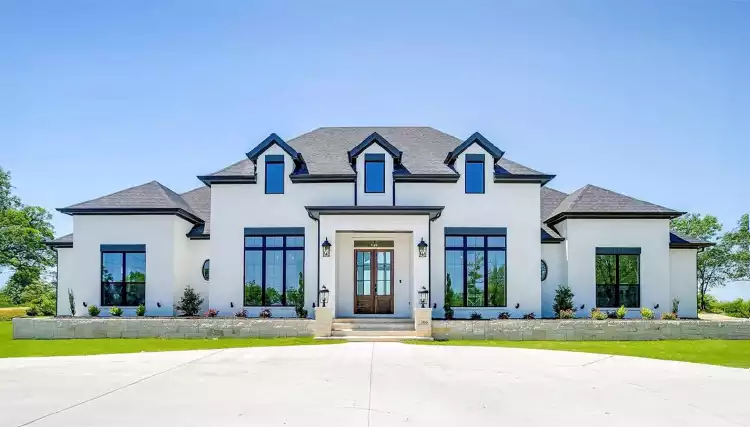
A homeowner contacted us shortly after moving into a large, newly built property of around 300m². Despite having a heat pump installed, the house struggled to stay warm during cold weather particularly upstairs, where the radiator circuit could not keep up. The property had underfloor heating on the ground floor and radiators on the upper floor, but heating performance was inconsistent and comfort levels were poor throughout winter.
At first glance, the system sizing appeared reasonable. The heat loss calculation showed a design heat loss of 6.9kW, while the installed heat pump was rated at around 7kW. On paper, that looked sufficient. In practice, being only 0.1kW above the calculated heat loss left almost no margin for error and in cold weather, that margin matters enormously. A properly sized system should ideally have a small buffer above the calculated design heat loss to account for real-world variables. This is one of the key things our pre-installation design and heat loss review checks before any installation goes ahead, because a system that is technically correct on a spreadsheet can still underperform significantly if the building fabric is not delivering what the calculation assumes.
During discussions with the homeowner, they mentioned that pipework running through the floor above the garage had frozen during winter. This immediately raised serious concerns. Although the property was a recent new build, it appeared the building fabric was not performing to the standard expected from a modern home a problem that is more common than most homeowners realise, and one that a heat pump will expose far more readily than a gas boiler would. The homeowner also confirmed that outdoor temperatures had dropped to around -9°C and the house simply could not maintain comfort levels.
At this stage, our advice was clear: the best long-term solution was not necessarily to increase heat pump output, but to properly investigate the building itself first. We recommended a detailed heat loss assessment using thermal imaging cameras to identify insulation gaps and air leakage issues that may not have been caught during construction. This is a step that is frequently skipped by installers, and it is the reason why some heat pump systems struggle despite appearing to be correctly sized as we discuss in our guide on heat pumps in poorly insulated houses.
However, after months of frustration dealing with the builders and living in a cold home, the homeowners understandably wanted a shorter-term fix while the longer building investigation was arranged. The heat pump installed was a model we knew well. We advised that upgrading the PCB board would increase its output capability from approximately 7kW to 9kW providing meaningful additional headroom. The replacement PCB cost around £165, and the electrician carried out the installation for approximately £150 with our guidance. We also advised adding the system's integrated booster heater a 3kW electric element within the buffer tank to assist the heat pump during periods of exceptionally high demand. We made it clear to the homeowners that while these changes would improve comfort levels in the short term, they would likely increase running costs significantly if the underlying insulation and air leakage problems remained unaddressed. The homeowners agreed and planned to revisit the building fabric properly during the summer months.
Several months later, we followed up. The homeowners had arranged for thermal imaging surveys and discovered multiple areas where insulation had been missed within the wall construction, along with several sources of unwanted air infiltration that were allowing cold air into the building fabric. After remedial work was completed, the homeowners told us the property felt like a completely different house. At that point, we advised them to disable the booster heater ahead of the following winter so the system could be properly tested on heat pump operation alone without the electric element masking any remaining shortfalls in performance or running costs.
What This Case Study Shows
Heat pump performance is heavily influenced by the quality of the building it is installed in. Even when a system appears correctly sized on paper, issues such as missed insulation, air leakage, or hidden construction defects can dramatically affect real-world performance particularly during colder weather when the system is working hardest. In cases like this one, increasing heat pump output only addresses a symptom. The underlying cause a building not performing to specification needs to be investigated and resolved separately. If you are experiencing similar problems, the pattern of a heat pump running constantly but failing to heat the home properly is often the first indicator that something more fundamental needs attention. It is also worth reviewing why your heat pump feels less powerful than your old boiler, since the two issues often share the same root cause.
If your heat pump is struggling to heat your home properly, our Full Performance Review can identify whether the issue lies with the heat pump itself, the controls, the system design, or the property. If you are planning an installation and want to avoid problems like this before they arise, our Pre-Installation Design and Heat Loss Review provides an independent technical assessment before any work begins.
Why This £1.5 Million Home Still Felt Cold With a Heat Pump
A homeowner contacted us shortly after moving into a large, newly built property of around 300m². Despite having a heat pump installed, the house struggled to stay warm during cold weather particularly upstairs, where the radiator circuit could not keep up. The property had underfloor heating on the ground floor and radiators on the upper floor, but heating performance was inconsistent and comfort levels were poor throughout winter.
At first glance, the system sizing appeared reasonable. The heat loss calculation showed a design heat loss of 6.9kW, while the installed heat pump was rated at around 7kW. On paper, that looked sufficient. In practice, being only 0.1kW above the calculated heat loss left almost no margin for error and in cold weather, that margin matters enormously. A properly sized system should ideally have a small buffer above the calculated design heat loss to account for real-world variables. This is one of the key things our pre-installation design and heat loss review checks before any installation goes ahead, because a system that is technically correct on a spreadsheet can still underperform significantly if the building fabric is not delivering what the calculation assumes.
During discussions with the homeowner, they mentioned that pipework running through the floor above the garage had frozen during winter. This immediately raised serious concerns. Although the property was a recent new build, it appeared the building fabric was not performing to the standard expected from a modern home a problem that is more common than most homeowners realise, and one that a heat pump will expose far more readily than a gas boiler would. The homeowner also confirmed that outdoor temperatures had dropped to around -9°C and the house simply could not maintain comfort levels.
At this stage, our advice was clear: the best long-term solution was not necessarily to increase heat pump output, but to properly investigate the building itself first. We recommended a detailed heat loss assessment using thermal imaging cameras to identify insulation gaps and air leakage issues that may not have been caught during construction. This is a step that is frequently skipped by installers, and it is the reason why some heat pump systems struggle despite appearing to be correctly sized as we discuss in our guide on heat pumps in poorly insulated houses.
However, after months of frustration dealing with the builders and living in a cold home, the homeowners understandably wanted a shorter-term fix while the longer building investigation was arranged. The heat pump installed was a model we knew well. We advised that upgrading the PCB board would increase its output capability from approximately 7kW to 9kW providing meaningful additional headroom. The replacement PCB cost around £165, and the electrician carried out the installation for approximately £150 with our guidance. We also advised adding the system's integrated booster heater a 3kW electric element within the buffer tank to assist the heat pump during periods of exceptionally high demand. We made it clear to the homeowners that while these changes would improve comfort levels in the short term, they would likely increase running costs significantly if the underlying insulation and air leakage problems remained unaddressed. The homeowners agreed and planned to revisit the building fabric properly during the summer months.
Several months later, we followed up. The homeowners had arranged for thermal imaging surveys and discovered multiple areas where insulation had been missed within the wall construction, along with several sources of unwanted air infiltration that were allowing cold air into the building fabric. After remedial work was completed, the homeowners told us the property felt like a completely different house. At that point, we advised them to disable the booster heater ahead of the following winter so the system could be properly tested on heat pump operation alone without the electric element masking any remaining shortfalls in performance or running costs.
What This Case Study Shows
Heat pump performance is heavily influenced by the quality of the building it is installed in. Even when a system appears correctly sized on paper, issues such as missed insulation, air leakage, or hidden construction defects can dramatically affect real-world performance particularly during colder weather when the system is working hardest. In cases like this one, increasing heat pump output only addresses a symptom. The underlying cause a building not performing to specification needs to be investigated and resolved separately. If you are experiencing similar problems, the pattern of a heat pump running constantly but failing to heat the home properly is often the first indicator that something more fundamental needs attention. It is also worth reviewing why your heat pump feels less powerful than your old boiler, since the two issues often share the same root cause.
If your heat pump is struggling to heat your home properly, our Full Performance Review can identify whether the issue lies with the heat pump itself, the controls, the system design, or the property. If you are planning an installation and want to avoid problems like this before they arise, our Pre-Installation Design and Heat Loss Review provides an independent technical assessment before any work begins.

Contact Us
Not Sure Which Service You Need?
Not Sure Which Service You Need?
Not Sure Which Service You Need?
Not Sure Which Service You Need?
Not Sure Which Service You Need?
Whether you need help with an existing heat pump, a pre-installation review, cooling advice, servicing or a room-by-room heat loss survey, send us a few details and we'll point you in the right direction.
Whether you need help with an existing heat pump, a pre-installation review, cooling advice, servicing or a room-by-room heat loss survey, send us a few details and we'll point you in the right direction.
Whether you need help with an existing heat pump, a pre-installation review, cooling advice, servicing or a room-by-room heat loss survey, send us a few details and we'll point you in the right direction.

