Why Does My Heat Pump Feel Less Powerful Than My Old Boiler?
Why Does My Heat Pump Feel Less Powerful Than My Old Boiler?
Why Does My Heat Pump Feel Less Powerful Than My Old Boiler?
Why Does My Heat Pump Feel Less Powerful Than My Old Boiler?
Why Does My Heat Pump Feel Less Powerful Than My Old Boiler?

UK Heat pump Help Technical Team
Independent Heat Pump Engineer
Why Does My Heat Pump Feel Less Powerful Than My Old Boiler? (UK Guide)
Switching from a gas boiler to a heat pump is one of the more significant changes a homeowner can make to their heating system and for many people, the first few weeks raise a genuine concern: it doesn’t feel as powerful.
Radiators are warm rather than hot. The house doesn’t heat up in the same way it used to. The system seems to run almost continuously. And when you put your hand on a radiator and it doesn’t feel particularly impressive compared to what you were used to, it’s natural to wonder whether something has gone wrong.
In many cases, nothing has. The system is working exactly as it’s designed to. But in some cases, the feeling of underperformance does indicate a real issue that needs attention. Understanding the difference is what this guide is about and it comes down to one fundamental distinction between how a boiler and a heat pump actually deliver heat.
How a Boiler Heats a Home vs How a Heat Pump Does
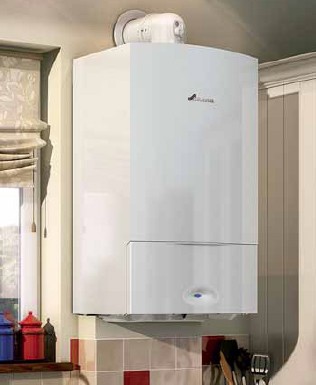
A gas boiler burns fuel to generate heat rapidly at high temperatures. Flow temperatures of 65–75°C are standard. Radiators get very hot often too hot to hold your hand against comfortably. The house heats up noticeably within 30–45 minutes of the boiler firing. Then the boiler switches off, the radiators cool down, and the cycle repeats.
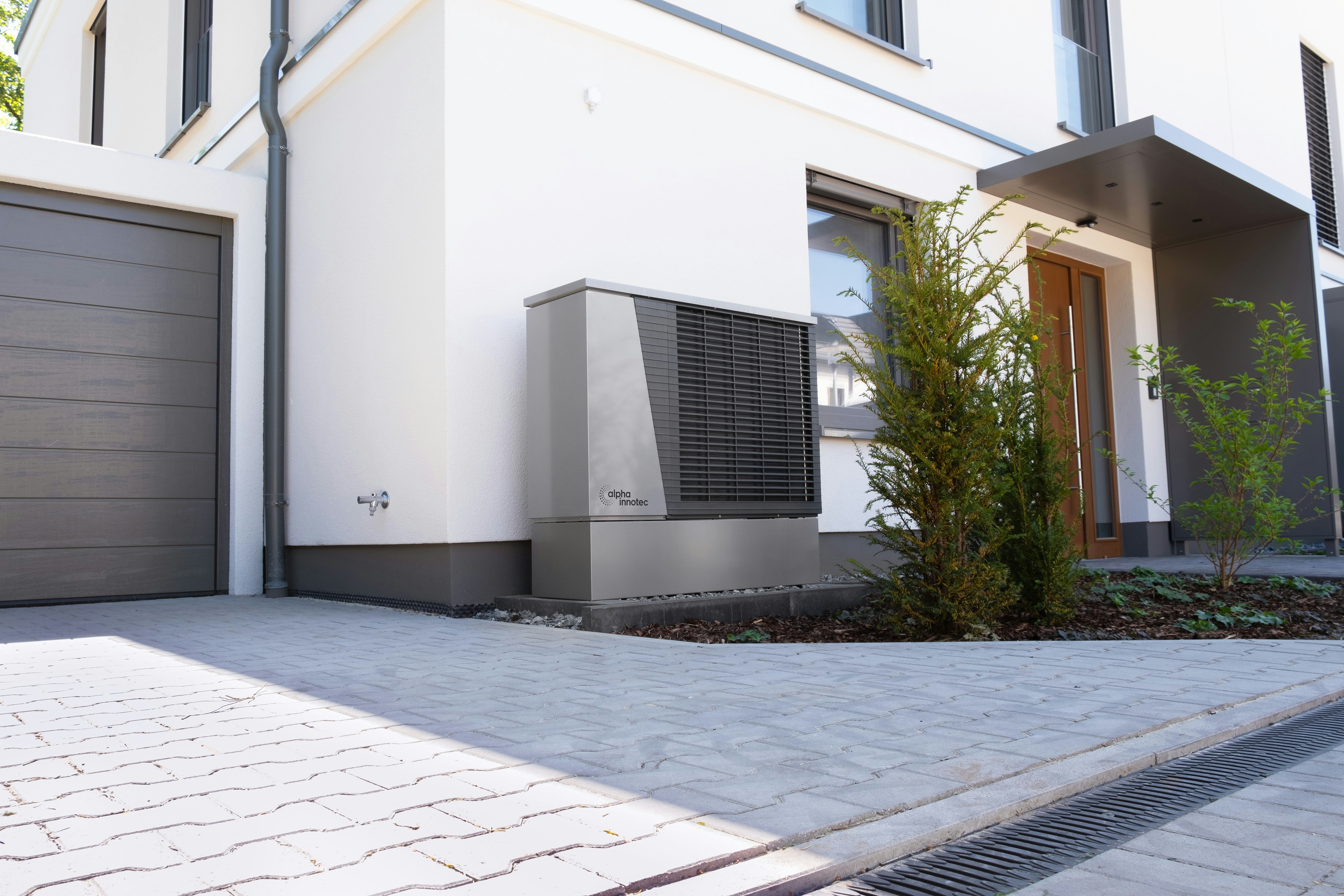
A heat pump works on an entirely different principle. It doesn’t generate heat by combustion it moves heat energy from the outside air into the home using a refrigerant cycle, similar in principle to how a fridge works in reverse. The most efficient operating range for most UK air source heat pumps is between 35°C and 50°C flow temperature. Radiators in a properly functioning heat pump system are warm typically comfortable to hold your hand against but not hot in the way boiler-fed radiators are.
The critical difference is not power, it’s temperature and time. A heat pump delivers heat more slowly and more steadily, running for longer periods rather than short high-intensity bursts. If the system has been correctly designed, the total amount of heat delivered into the home over a day should be the same. The house reaches and maintains the target temperature it just does so differently.
The discomfort most people feel in those first weeks is largely the adjustment from one model of how heating works to a completely different one. That said, there are real performance problems that can look similar from the outside and it’s important to distinguish between the two.
Why Radiators Feel Cooler and Why That’s Usually Fine
Radiator temperature is the thing people notice most, and it’s probably the most misunderstood aspect of heat pump performance.
With a boiler running at 70°C, a radiator releases heat very intensely over a short area. The surface temperature is high, the heat output per square centimetre is high, and you feel the warmth immediately when you walk into the room.
With a heat pump running at 42°C, the same radiator releases less heat per square centimetre. To deliver the same total heat output to the room, it needs either more surface area or more time ideally both.
This is why radiator sizing is so important in heat pump system design. A radiator that was adequate for a boiler system is often too small for a heat pump system operating at lower temperatures. When radiators have been properly sized or upgraded as part of the installation, the lower temperature water can still heat the room comfortably it just does so through a larger surface area running at moderate temperature rather than a smaller surface at high temperature.
If your radiators are the same ones that were on the boiler, and they haven’t been assessed or upgraded as part of the installation, there’s a reasonable chance this is contributing to the feeling of underperformance.
Why the House Heats Up More Slowly and When to Worry About It
A heat pump is not designed to rapidly heat a cold house. It’s designed to maintain a stable indoor temperature steadily over time.
With a boiler, many households are used to running the heating for two or three hours in the morning, switching off, letting the house cool during the day, then running it again in the evening. The boiler heats the house relatively quickly at the start of each period. This approach works with a boiler because it can produce intense heat fast.
With a heat pump, the equivalent approach turning the system off for extended periods and expecting it to quickly reheat the house doesn’t work well. When the house cools significantly and the heat pump then has to recover that temperature, it has to produce more heat than it otherwise would, and it has to do so at a time when outside temperatures might be lower. This is precisely the condition where heat pumps are least efficient.
The more appropriate operating pattern is to run the heat pump more continuously, maintaining the house at a steady temperature rather than heating from cold. Many people find they use a setback of just 1–2°C at night rather than turning the system off entirely. The house stays within a comfortable range throughout the day, and the heat pump runs steadily at its most efficient operating point.
If the house is genuinely not reaching temperature even with the heat pump running continuously particularly during cold weather that’s not just a behavioural adjustment issue. That points to a system problem.
When the Feeling of Underperformance Is a Real Problem
There are clear signs that distinguish a system that’s working correctly but feels different, from a system that genuinely isn’t performing as it should.
The house consistently doesn’t reach the target temperature. If the thermostat is set to 20°C and the house peaks at 17–18°C even on moderately cold days, the system isn’t delivering enough heat. This is a design or commissioning issue, not a behavioural one.
You have to run the flow temperature significantly higher than the design temperature to stay comfortable. If the installer set up the system to run at 45°C and you’ve gradually had to increase it to 55–60°C just to stay warm, the radiators or heat loss calculations weren’t right. Higher flow temperatures mean lower efficiency you’re compensating for a design gap by paying more in electricity.
Some rooms are noticeably colder than others despite radiators being open. This typically points to a hydraulic balancing issue, where some radiators are receiving significantly more flow than others.
The system cycles frequently switching on and off multiple times per hour rather than running in long steady periods. Short cycling is inefficient and usually indicates the system has more capacity than the immediate heat demand requires, which can happen when a heat pump has been oversized or when buffer tank configuration isn’t correct.
Electricity bills are significantly higher than the installer estimated. A well-designed and correctly commissioned heat pump system in the UK should typically achieve a seasonal COP of 3.0 or above meaning three or more units of heat for every unit of electricity used. If bills suggest a much lower ratio than this, the system isn’t operating efficiently.
The Role of System Design in How Comfortable a Heat Pump Feels
Almost everything described in this guide comes back to one root cause: whether the system was correctly designed and commissioned for the specific property.
A heat pump system designed properly for a house will have been through the following process:
A room-by-room heat loss calculation establishes how much heat each room needs to maintain temperature at design conditions.
Radiators are selected based on their output at the planned flow temperature not their original boiler rating at 75°C, but their actual output at 40–45°C. Where existing radiators are insufficient at lower temperatures, they’re identified and upgraded.
The heat pump is sized to match the total property heat demand not oversized to give headroom, and not undersized to save on equipment cost.
Weather compensation is configured based on the property’s specific heat loss and the radiator system’s output characteristics.
The system is hydraulically balanced after installation so heat is distributed evenly.
When all of those steps are completed correctly, the result is a system that maintains comfortable temperatures throughout the home quietly, steadily, and efficiently. The radiators aren’t as hot as a boiler’s, the house doesn’t heat from cold in 20 minutes, and the system runs a lot. But the home is consistently warm, and the running costs reflect the genuine efficiency advantage of a heat pump over gas heating.
When those steps are missed or rushed, you get a system that feels underpowered, costs more to run than it should, and requires constant manual intervention to stay comfortable.
Already Installed and Not Sure It’s Right?
If your heat pump feels less powerful and the house is genuinely struggling to reach temperature, or if you’re running the flow temperature significantly higher than you’d expect in order to stay comfortable, our Full Performance Review looks at the system in detail flow temperatures, radiator performance, system design, cycling behaviour and control strategy. You’ll receive a clear written report explaining whether the system is working correctly or what’s holding it back.
If you’re still in the planning stage and want to make sure the system is designed to feel comfortable from day one, our Pre-Installation Design & Heat Loss Review covers heat loss, radiator sizing at low flow temperatures, and overall system specification so you’re not discovering gaps after installation is complete.
If your system seems less responsive, find out what quiet mode actually does on a heat pump.
Why Does My Heat Pump Feel Less Powerful Than My Old Boiler? (UK Guide)
Switching from a gas boiler to a heat pump is one of the more significant changes a homeowner can make to their heating system and for many people, the first few weeks raise a genuine concern: it doesn’t feel as powerful.
Radiators are warm rather than hot. The house doesn’t heat up in the same way it used to. The system seems to run almost continuously. And when you put your hand on a radiator and it doesn’t feel particularly impressive compared to what you were used to, it’s natural to wonder whether something has gone wrong.
In many cases, nothing has. The system is working exactly as it’s designed to. But in some cases, the feeling of underperformance does indicate a real issue that needs attention. Understanding the difference is what this guide is about and it comes down to one fundamental distinction between how a boiler and a heat pump actually deliver heat.
How a Boiler Heats a Home vs How a Heat Pump Does
A gas boiler burns fuel to generate heat rapidly at high temperatures. Flow temperatures of 65–75°C are standard. Radiators get very hot often too hot to hold your hand against comfortably. The house heats up noticeably within 30–45 minutes of the boiler firing. Then the boiler switches off, the radiators cool down, and the cycle repeats.
A heat pump works on an entirely different principle. It doesn’t generate heat by combustion it moves heat energy from the outside air into the home using a refrigerant cycle, similar in principle to how a fridge works in reverse. The most efficient operating range for most UK air source heat pumps is between 35°C and 50°C flow temperature. Radiators in a properly functioning heat pump system are warm typically comfortable to hold your hand against but not hot in the way boiler-fed radiators are.
The critical difference is not power, it’s temperature and time. A heat pump delivers heat more slowly and more steadily, running for longer periods rather than short high-intensity bursts. If the system has been correctly designed, the total amount of heat delivered into the home over a day should be the same. The house reaches and maintains the target temperature it just does so differently.
The discomfort most people feel in those first weeks is largely the adjustment from one model of how heating works to a completely different one. That said, there are real performance problems that can look similar from the outside and it’s important to distinguish between the two.
Why Radiators Feel Cooler and Why That’s Usually Fine
Radiator temperature is the thing people notice most, and it’s probably the most misunderstood aspect of heat pump performance.
With a boiler running at 70°C, a radiator releases heat very intensely over a short area. The surface temperature is high, the heat output per square centimetre is high, and you feel the warmth immediately when you walk into the room.
With a heat pump running at 42°C, the same radiator releases less heat per square centimetre. To deliver the same total heat output to the room, it needs either more surface area or more time ideally both.
This is why radiator sizing is so important in heat pump system design. A radiator that was adequate for a boiler system is often too small for a heat pump system operating at lower temperatures. When radiators have been properly sized or upgraded as part of the installation, the lower temperature water can still heat the room comfortably it just does so through a larger surface area running at moderate temperature rather than a smaller surface at high temperature.
If your radiators are the same ones that were on the boiler, and they haven’t been assessed or upgraded as part of the installation, there’s a reasonable chance this is contributing to the feeling of underperformance.
Why the House Heats Up More Slowly and When to Worry About It
A heat pump is not designed to rapidly heat a cold house. It’s designed to maintain a stable indoor temperature steadily over time.
With a boiler, many households are used to running the heating for two or three hours in the morning, switching off, letting the house cool during the day, then running it again in the evening. The boiler heats the house relatively quickly at the start of each period. This approach works with a boiler because it can produce intense heat fast.
With a heat pump, the equivalent approach turning the system off for extended periods and expecting it to quickly reheat the house doesn’t work well. When the house cools significantly and the heat pump then has to recover that temperature, it has to produce more heat than it otherwise would, and it has to do so at a time when outside temperatures might be lower. This is precisely the condition where heat pumps are least efficient.
The more appropriate operating pattern is to run the heat pump more continuously, maintaining the house at a steady temperature rather than heating from cold. Many people find they use a setback of just 1–2°C at night rather than turning the system off entirely. The house stays within a comfortable range throughout the day, and the heat pump runs steadily at its most efficient operating point.
If the house is genuinely not reaching temperature even with the heat pump running continuously particularly during cold weather that’s not just a behavioural adjustment issue. That points to a system problem.
When the Feeling of Underperformance Is a Real Problem
There are clear signs that distinguish a system that’s working correctly but feels different, from a system that genuinely isn’t performing as it should.
The house consistently doesn’t reach the target temperature. If the thermostat is set to 20°C and the house peaks at 17–18°C even on moderately cold days, the system isn’t delivering enough heat. This is a design or commissioning issue, not a behavioural one.
You have to run the flow temperature significantly higher than the design temperature to stay comfortable. If the installer set up the system to run at 45°C and you’ve gradually had to increase it to 55–60°C just to stay warm, the radiators or heat loss calculations weren’t right. Higher flow temperatures mean lower efficiency you’re compensating for a design gap by paying more in electricity.
Some rooms are noticeably colder than others despite radiators being open. This typically points to a hydraulic balancing issue, where some radiators are receiving significantly more flow than others.
The system cycles frequently switching on and off multiple times per hour rather than running in long steady periods. Short cycling is inefficient and usually indicates the system has more capacity than the immediate heat demand requires, which can happen when a heat pump has been oversized or when buffer tank configuration isn’t correct.
Electricity bills are significantly higher than the installer estimated. A well-designed and correctly commissioned heat pump system in the UK should typically achieve a seasonal COP of 3.0 or above meaning three or more units of heat for every unit of electricity used. If bills suggest a much lower ratio than this, the system isn’t operating efficiently.
The Role of System Design in How Comfortable a Heat Pump Feels
Almost everything described in this guide comes back to one root cause: whether the system was correctly designed and commissioned for the specific property.
A heat pump system designed properly for a house will have been through the following process:
A room-by-room heat loss calculation establishes how much heat each room needs to maintain temperature at design conditions.
Radiators are selected based on their output at the planned flow temperature not their original boiler rating at 75°C, but their actual output at 40–45°C. Where existing radiators are insufficient at lower temperatures, they’re identified and upgraded.
The heat pump is sized to match the total property heat demand not oversized to give headroom, and not undersized to save on equipment cost.
Weather compensation is configured based on the property’s specific heat loss and the radiator system’s output characteristics.
The system is hydraulically balanced after installation so heat is distributed evenly.
When all of those steps are completed correctly, the result is a system that maintains comfortable temperatures throughout the home quietly, steadily, and efficiently. The radiators aren’t as hot as a boiler’s, the house doesn’t heat from cold in 20 minutes, and the system runs a lot. But the home is consistently warm, and the running costs reflect the genuine efficiency advantage of a heat pump over gas heating.
When those steps are missed or rushed, you get a system that feels underpowered, costs more to run than it should, and requires constant manual intervention to stay comfortable.
Already Installed and Not Sure It’s Right?
If your heat pump feels less powerful and the house is genuinely struggling to reach temperature, or if you’re running the flow temperature significantly higher than you’d expect in order to stay comfortable, our Full Performance Review looks at the system in detail flow temperatures, radiator performance, system design, cycling behaviour and control strategy. You’ll receive a clear written report explaining whether the system is working correctly or what’s holding it back.
If you’re still in the planning stage and want to make sure the system is designed to feel comfortable from day one, our Pre-Installation Design & Heat Loss Review covers heat loss, radiator sizing at low flow temperatures, and overall system specification so you’re not discovering gaps after installation is complete.
If your system seems less responsive, find out what quiet mode actually does on a heat pump.
Oct 17, 2026
5 min read
Replacing a Gas Boiler With a Heat Pump: What to Check First
Read More
Oct 17, 2026
5 min read
Replacing a Gas Boiler With a Heat Pump: What to Check First
Read More

Oct 16, 2026
5 min read
Heat Pump Legionella Cycle: Why It Heats to 60°C (UK Guide)
Read More
Oct 16, 2026
5 min read
Heat Pump Legionella Cycle: Why It Heats to 60°C (UK Guide)
Read More

Contact Us
Not Sure Which Service You Need?
Not Sure Which Service You Need?
Not Sure Which Service You Need?
Not Sure Which Service You Need?
Not Sure Which Service You Need?
Whether you need help with an existing heat pump, a pre-installation review, cooling advice, servicing or a room-by-room heat loss survey, send us a few details and we'll point you in the right direction.
Whether you need help with an existing heat pump, a pre-installation review, cooling advice, servicing or a room-by-room heat loss survey, send us a few details and we'll point you in the right direction.
Whether you need help with an existing heat pump, a pre-installation review, cooling advice, servicing or a room-by-room heat loss survey, send us a few details and we'll point you in the right direction.

