Does My Existing Air Conditioning Count as a Heat Pump for Planning Permission?
Does My Existing Air Conditioning Count as a Heat Pump for Planning Permission?
Does My Existing Air Conditioning Count as a Heat Pump for Planning Permission?
Does My Existing Air Conditioning Count as a Heat Pump for Planning Permission?
Does My Existing Air Conditioning Count as a Heat Pump for Planning Permission?

UK Heat pump Help Technical Team
Independent Heat Pump Engineer
The Short Answer
It depends entirely on the type of system you already have installed, and this is a distinction that trips up a lot of homeowners. If your existing system is an air-to-air heat pump that provides heating as well as cooling, then yes, it counts as an air source heat pump under planning rules. If it’s a cooling-only air conditioning system with no heating function at all, it does not benefit from the air source heat pump permitted development rules, and is treated differently by planning authorities. Understanding which category your existing system falls into matters because it can directly affect whether your next installation needs planning permission or can go ahead under permitted development.
What’s the Difference Between Air Conditioning and a Heat Pump?
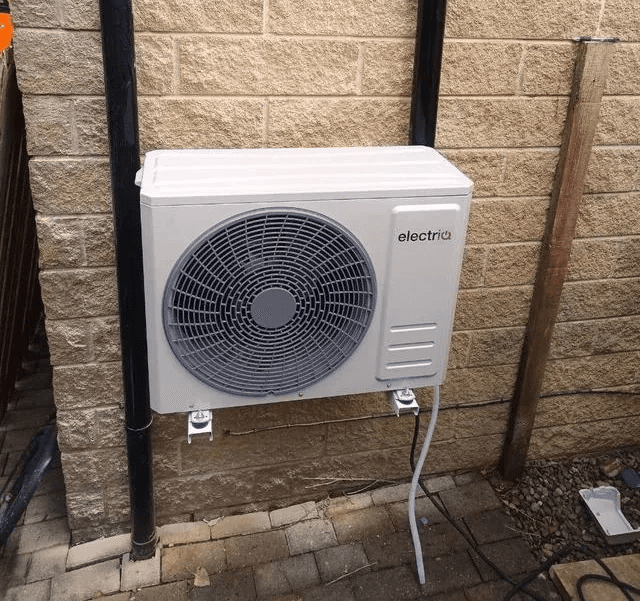
Many people use the terms “air conditioning” and “heat pump” interchangeably, largely because the outdoor units often look identical and both work on the same underlying refrigerant cycle. But from a planning perspective, they aren’t treated the same way at all, and the difference comes down to one simple function: whether the system can provide space heating, not just cooling.
An air-to-air heat pump can both heat your home and cool it, typically through wall-mounted indoor units blowing warm or cold air depending on the season and setting. Because it provides heating, it’s classed as an air source heat pump and can benefit from the permitted development rules covered in our guide to planning permission for heat pumps, provided all of the other standard conditions, like noise limits and outdoor unit size, are also met.
A cooling-only air conditioning system, by contrast, only cools your home and provides no space heating function whatsoever. These systems do not carry the same permitted development rights as air source heat pumps, regardless of how similar the outdoor unit looks, because the planning framework specifically ties the permitted development allowance to a system’s heating function.
Does an Air-to-Air Heat Pump Count Towards the Permitted Number?
Yes, and this is the part that catches people out most often. If your existing system is an air-to-air heat pump, it counts as one air source heat pump against your property’s permitted development allowance, exactly the same as if it were a more conventional air-to-water system heating your radiators. That means detached houses, which can normally have up to two air source heat pumps under permitted development, would only have one slot left if an air-to-air system is already installed. Semi-detached houses, terraced houses, and flats are normally limited to just one air source heat pump under permitted development, so if you already have an air-to-air unit providing heating and cooling, that allowance is already used up.
A worked example: you own a semi-detached house with an existing air-to-air heat pump that provides both heating and cooling to your living space. You now want to install a separate air-to-water heat pump to run your central heating and radiators. Between the two systems, you would have two air source heat pumps on a semi-detached property, which exceeds the single-unit allowance permitted development normally allows for that house type. In most cases, this means planning permission would be required for the second installation, purely because of the cumulative unit count, not because either system individually breaches size or noise conditions.
What If I Already Have Cooling-Only Air Conditioning?
This is where people often get confused in the opposite direction. A cooling-only air conditioning unit isn’t an air-to-air heat pump, so it doesn’t draw on the air source heat pump permitted development right at all, and doesn’t count against your one or two unit allowance in the way described above. However, that doesn’t mean you can simply ignore it when planning a new installation. Standalone air conditioning has its own separate planning considerations, and if you’re now adding an air source heat pump alongside existing cooling-only air conditioning, it’s sensible to discuss the full proposal with your installer and, where necessary, your local planning authority, rather than assuming the existing unit is irrelevant to the new application.
How Do I Know Which System I Have?
A simple way to check is to ask yourself one question: does the existing unit heat the house as well as cool it? If the answer is yes, it’s almost certainly an air-to-air heat pump and will count towards your permitted development allowance. If the answer is no, and it only ever blows cold air with no heating mode, it’s likely a cooling-only air conditioning system and sits outside the air source heat pump rules entirely. If you’re still unsure after checking how the system actually behaves day to day, the model number printed on the outdoor unit’s data plate will normally identify the exact system type, and your installer or the manufacturer can confirm this from that reference alone.
It’s also worth thinking about this the other way around if you’re planning a new installation from scratch: if you like the idea of a system that can both heat and cool, rather than installing cooling-only air conditioning that won’t count towards your future heating plans, it’s worth reading can my heat pump do cooling and, if you already have a heating-only heat pump installed, can I add cooling to my existing heat pump, since combining both functions into a single air-to-air or air-to-water system with cooling capability is often a more planning-efficient route than running two separate outdoor units.
Thinking About Installing a Heat Pump, or Adding Cooling to One You Already Have?
If you’re weighing up whether a proposed installation will fit within your permitted development allowance, whether that’s a new system altogether or adding cooling capability to an existing heat pump, our Pre-Installation Design Review service provides an independent review before you commit. We look at the proposed system, explain the planning requirements specific to your situation, including how any existing air conditioning or air-to-air units factor into your unit count, and help you avoid unexpected issues before any work begins. If cooling specifically is what you’re exploring, our Heat Pump Cooling service assesses your system, emitters, and controls to confirm whether heat pump cooling is a safe, practical option for your property, alongside the planning picture. You can also see the kind of design and planning issues this uncovers in our case studies.
Already Have a Heat Pump?
If your heat pump isn’t performing as it should, whatever type it is, our Fix My Heat Pump service provides independent remote technical support. We can often diagnose faults over a video call and help you understand the problem before an engineer even visits.
Final Thoughts
The important question isn’t whether you already have air conditioning, it’s whether that existing system provides heating as well as cooling. If it does, it’s an air-to-air heat pump and counts towards the number of air source heat pumps permitted under permitted development for your property type. If it’s cooling only, different planning rules apply, and it’s worth checking your model and function carefully, and discussing your full setup with your installer, before installing another outdoor unit and assuming it will automatically qualify for permitted development.
Related reading: Do I Need Planning Permission for a Heat Pump? · Is Heat Pump Cooling Better Than Air Conditioning?
You may also find Do I Need Planning Permission for a Heat Pump? and Is Heat Pump Cooling Better Than Air Conditioning? useful.
The Short Answer
It depends entirely on the type of system you already have installed, and this is a distinction that trips up a lot of homeowners. If your existing system is an air-to-air heat pump that provides heating as well as cooling, then yes, it counts as an air source heat pump under planning rules. If it’s a cooling-only air conditioning system with no heating function at all, it does not benefit from the air source heat pump permitted development rules, and is treated differently by planning authorities. Understanding which category your existing system falls into matters because it can directly affect whether your next installation needs planning permission or can go ahead under permitted development.
What’s the Difference Between Air Conditioning and a Heat Pump?
Many people use the terms “air conditioning” and “heat pump” interchangeably, largely because the outdoor units often look identical and both work on the same underlying refrigerant cycle. But from a planning perspective, they aren’t treated the same way at all, and the difference comes down to one simple function: whether the system can provide space heating, not just cooling.
An air-to-air heat pump can both heat your home and cool it, typically through wall-mounted indoor units blowing warm or cold air depending on the season and setting. Because it provides heating, it’s classed as an air source heat pump and can benefit from the permitted development rules covered in our guide to planning permission for heat pumps, provided all of the other standard conditions, like noise limits and outdoor unit size, are also met.
A cooling-only air conditioning system, by contrast, only cools your home and provides no space heating function whatsoever. These systems do not carry the same permitted development rights as air source heat pumps, regardless of how similar the outdoor unit looks, because the planning framework specifically ties the permitted development allowance to a system’s heating function.
Does an Air-to-Air Heat Pump Count Towards the Permitted Number?
Yes, and this is the part that catches people out most often. If your existing system is an air-to-air heat pump, it counts as one air source heat pump against your property’s permitted development allowance, exactly the same as if it were a more conventional air-to-water system heating your radiators. That means detached houses, which can normally have up to two air source heat pumps under permitted development, would only have one slot left if an air-to-air system is already installed. Semi-detached houses, terraced houses, and flats are normally limited to just one air source heat pump under permitted development, so if you already have an air-to-air unit providing heating and cooling, that allowance is already used up.
A worked example: you own a semi-detached house with an existing air-to-air heat pump that provides both heating and cooling to your living space. You now want to install a separate air-to-water heat pump to run your central heating and radiators. Between the two systems, you would have two air source heat pumps on a semi-detached property, which exceeds the single-unit allowance permitted development normally allows for that house type. In most cases, this means planning permission would be required for the second installation, purely because of the cumulative unit count, not because either system individually breaches size or noise conditions.
What If I Already Have Cooling-Only Air Conditioning?
This is where people often get confused in the opposite direction. A cooling-only air conditioning unit isn’t an air-to-air heat pump, so it doesn’t draw on the air source heat pump permitted development right at all, and doesn’t count against your one or two unit allowance in the way described above. However, that doesn’t mean you can simply ignore it when planning a new installation. Standalone air conditioning has its own separate planning considerations, and if you’re now adding an air source heat pump alongside existing cooling-only air conditioning, it’s sensible to discuss the full proposal with your installer and, where necessary, your local planning authority, rather than assuming the existing unit is irrelevant to the new application.
How Do I Know Which System I Have?
A simple way to check is to ask yourself one question: does the existing unit heat the house as well as cool it? If the answer is yes, it’s almost certainly an air-to-air heat pump and will count towards your permitted development allowance. If the answer is no, and it only ever blows cold air with no heating mode, it’s likely a cooling-only air conditioning system and sits outside the air source heat pump rules entirely. If you’re still unsure after checking how the system actually behaves day to day, the model number printed on the outdoor unit’s data plate will normally identify the exact system type, and your installer or the manufacturer can confirm this from that reference alone.
It’s also worth thinking about this the other way around if you’re planning a new installation from scratch: if you like the idea of a system that can both heat and cool, rather than installing cooling-only air conditioning that won’t count towards your future heating plans, it’s worth reading can my heat pump do cooling and, if you already have a heating-only heat pump installed, can I add cooling to my existing heat pump, since combining both functions into a single air-to-air or air-to-water system with cooling capability is often a more planning-efficient route than running two separate outdoor units.
Thinking About Installing a Heat Pump, or Adding Cooling to One You Already Have?
If you’re weighing up whether a proposed installation will fit within your permitted development allowance, whether that’s a new system altogether or adding cooling capability to an existing heat pump, our Pre-Installation Design Review service provides an independent review before you commit. We look at the proposed system, explain the planning requirements specific to your situation, including how any existing air conditioning or air-to-air units factor into your unit count, and help you avoid unexpected issues before any work begins. If cooling specifically is what you’re exploring, our Heat Pump Cooling service assesses your system, emitters, and controls to confirm whether heat pump cooling is a safe, practical option for your property, alongside the planning picture. You can also see the kind of design and planning issues this uncovers in our case studies.
Already Have a Heat Pump?
If your heat pump isn’t performing as it should, whatever type it is, our Fix My Heat Pump service provides independent remote technical support. We can often diagnose faults over a video call and help you understand the problem before an engineer even visits.
Final Thoughts
The important question isn’t whether you already have air conditioning, it’s whether that existing system provides heating as well as cooling. If it does, it’s an air-to-air heat pump and counts towards the number of air source heat pumps permitted under permitted development for your property type. If it’s cooling only, different planning rules apply, and it’s worth checking your model and function carefully, and discussing your full setup with your installer, before installing another outdoor unit and assuming it will automatically qualify for permitted development.
Related reading: Do I Need Planning Permission for a Heat Pump? · Is Heat Pump Cooling Better Than Air Conditioning?
You may also find Do I Need Planning Permission for a Heat Pump? and Is Heat Pump Cooling Better Than Air Conditioning? useful.
Sep 20, 2026
5 min read
How Often Should You Service a Heat Pump?
Read More
Sep 20, 2026
5 min read
How Often Should You Service a Heat Pump?
Read More

Sep 18, 2026
5 min read
Why Is My Heat Pump Not Reaching Temperature? (UK Guide)
Read More
Sep 18, 2026
5 min read
Why Is My Heat Pump Not Reaching Temperature? (UK Guide)
Read More


Contact Us
Not Sure Which Service You Need?
Not Sure Which Service You Need?
Not Sure Which Service You Need?
Not Sure Which Service You Need?
Not Sure Which Service You Need?
Whether you need help with an existing heat pump, a pre-installation review, cooling advice, servicing or a room-by-room heat loss survey, send us a few details and we'll point you in the right direction.
Whether you need help with an existing heat pump, a pre-installation review, cooling advice, servicing or a room-by-room heat loss survey, send us a few details and we'll point you in the right direction.
Whether you need help with an existing heat pump, a pre-installation review, cooling advice, servicing or a room-by-room heat loss survey, send us a few details and we'll point you in the right direction.

