Can My Heat Pump Do Cooling?
Can My Heat Pump Do Cooling?
Can My Heat Pump Do Cooling?
Can My Heat Pump Do Cooling?
Can My Heat Pump Do Cooling?

UK Heat pump Help Technical Team
Independent Heat Pump Engineer
Can My Heat Pump Do Cooling?
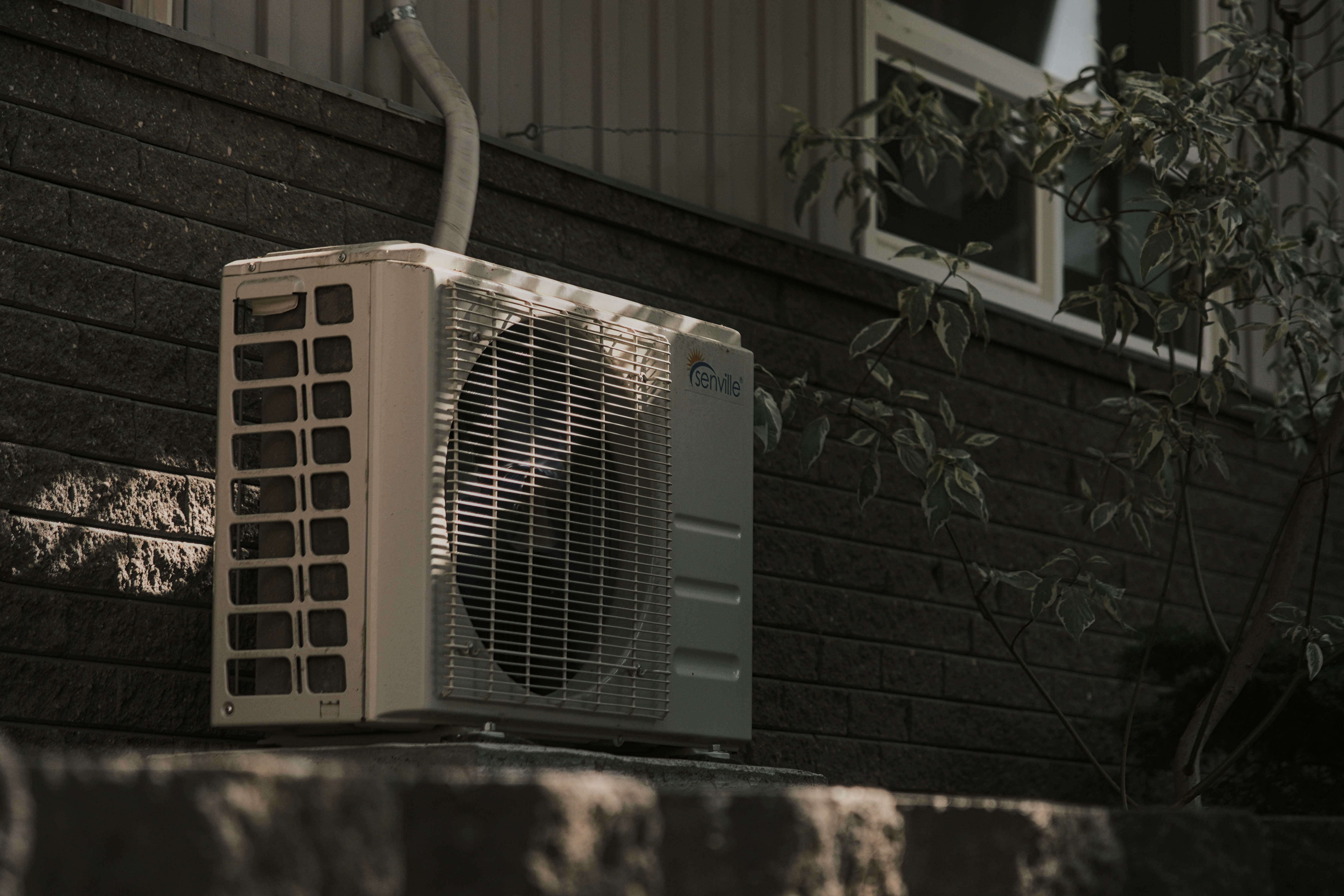
Yes, many modern air source heat pumps are capable of providing cooling as well as heating. Whether your specific system can do this depends on several factors: the heat pump model you have, the type of emitters installed in your home, and whether the system has been designed and configured to support cooling mode safely.
As UK summers become progressively warmer and modern airtight homes become increasingly prone to overheating, the question of heat pump cooling is becoming genuinely relevant for many homeowners across the country. What was once considered an optional extra is now a practical consideration for new installations and for homeowners looking to get more from their existing systems.
This guide explains how heat pump cooling works, which emitters are suitable, what the installation requirements look like, the risks to manage, and how to assess whether adding cooling to your system is a practical and worthwhile option.
How Does a Heat Pump Provide Cooling?
A heat pump works by moving heat energy from one place to another rather than generating heat directly. In winter, an air source heat pump extracts thermal energy from the outdoor air and transfers it into the heating circuit inside your home. In cooling mode, this process is reversed: the heat pump removes heat from the water circulating through your internal circuit and rejects it outdoors.
This is fundamentally different from a conventional split air conditioning system. Heat pump cooling does not produce cold air directly. Instead, it cools the water circulating through your emitters, which then absorb heat from the indoor space gradually. The result is a gentler, more uniform cooling effect rather than the concentrated blasts of cold air produced by dedicated air conditioning units.
In heating mode, a heat pump typically serves the whole building through a single circuit. Cooling introduces additional considerations around zoning, since different areas of the property may have different cooling needs or different emitter types that respond differently to cooled water. Our article on whether heat pumps need multiple heating zones explains the principles of heat pump zoning in more detail.
Which Heat Pumps Can Provide Cooling?
Several manufacturers produce air source heat pumps that are capable of operating in cooling mode. Models that commonly support cooling include:
Vaillant aroTHERM plus
Daikin Altherma (selected variants)
LG Therma V
Mitsubishi Electric Ecodan (selected models)
NIBE (selected models — check individual specifications)
Owning one of these models does not automatically mean cooling is available on your installation. In most cases, additional controls, wiring, and modifications to the heating circuit are required before cooling can function safely. The heat pump unit may be capable, but the installation around it may not have been set up with cooling in mind.
Can Radiators Be Used for Cooling?
In most UK domestic installations, standard radiators are not suitable for heat pump cooling. There are two significant reasons for this, and both are relevant whether you have a modern heat pump installation or one that was retrofitted to an existing heating system.
The first issue is condensation. When cool water circulates through a radiator, the metal surface can drop below the dew point temperature of the room air. At that point, moisture condenses on the radiator surface and drips onto floors, soaks into walls and skirting boards, and creates persistent damp and mould problems. This is not a theoretical risk; it is a practical consequence of running radiators in cooling mode without appropriate safeguards. Our guide on whether heat pumps need bigger radiators covers how radiator output varies with water temperature, which is directly relevant to understanding why their cooling capacity is also limited.
The second issue is simply effectiveness. Radiators are designed to transfer heat from hot water to room air through convection and radiation. At the lower flow temperatures used for cooling, the temperature difference between the radiator surface and the room air is much smaller. The resulting cooling effect is minimal and rarely sufficient to make a property meaningfully more comfortable.
For these reasons, cooling through standard radiators is rarely recommended, and most UK heat pump installations are not designed with radiator cooling as an intended mode of operation.
Can Underfloor Heating Be Used for Cooling?
Underfloor cooling can be effective in the right circumstances, particularly in modern, well-insulated properties with a relatively low heat load. Rather than blowing cold air into the room, underfloor cooling gently lowers the temperature of the floor surface. The cooled floor then absorbs heat from the air in the rooms above, gradually reducing the ambient temperature throughout the day.
The effect is subtle compared to active air conditioning. Underfloor cooling will not drop room temperatures by ten degrees, but in a well-insulated property it can make a meaningful and noticeable difference to comfort, particularly overnight when the thermal mass of the floor retains its lower temperature and continues to moderate room conditions through the warmer hours.
For underfloor cooling to operate safely, specific safeguards must be in place and correctly commissioned:
Dew point sensing: a sensor that measures the moisture content of the indoor air and calculates the temperature at which condensation will form
Condensation protection: a control system that prevents the floor surface from dropping below the dew point, automatically raising the flow temperature or stopping cooling if the risk of condensation is detected
Suitable flow temperature controls with a cooling-specific setpoint appropriate for the building and time of year
Correct commissioning of the entire cooling mode, not just the heating mode, before the system is handed over
Without these safeguards, condensation can form on and within the screed, saturating the floor construction and causing damage that may not become visible for months. This is one of the areas where installation quality matters enormously. Our guide on common commissioning mistakes with heat pump installations covers the kinds of setup errors that affect both heating and cooling performance.
Fan Coil Units for Heat Pump Cooling
Fan coil units provide the most effective cooling option for heat pump systems. Unlike radiators and underfloor heating, fan coil units are purpose-designed to handle both heating and cooling. They connect to the heat pump circuit in the same way as other emitters, but include a fan that forces air across a cooling coil, actively extracting heat from the room. They also include a built-in condensate drain to handle the moisture that collects during cooling mode.
Fan coil units can be recessed into ceilings, mounted on walls, or installed as free-standing units depending on the architecture of the room. In appearance and operation they resemble conventional air conditioning units, and the cooling effect they provide is considerably stronger than underfloor cooling. They are the closest equivalent to traditional air conditioning available within a heat pump system.
Fan coil units are particularly well-suited to:
South-facing rooms that receive direct sunlight throughout the day and significantly overheat in summer
Loft conversions and top-floor rooms where heat accumulates and is difficult to dissipate without active cooling
Properties with large areas of glazing, bi-fold doors, or south-west facing windows that admit significant solar gain
New-build properties and highly insulated homes that trap heat effectively in summer as well as winter
Home offices and bedrooms where temperature control significantly affects both comfort and sleep quality
Is Cooling Worth Having in the UK?
For the majority of UK properties, heating will always be the primary purpose of a heat pump. The UK climate means the heating season accounts for the overwhelming majority of annual running hours. However, the case for cooling has become considerably stronger over recent years, driven both by changing weather patterns and by improvements in building standards.
Modern building regulations require higher levels of insulation and airtightness than previous generations of housing. While these standards dramatically improve winter heating efficiency, they can create significant overheating problems in summer. A property that retains heat very effectively in winter will retain it equally effectively in a summer heatwave. Our guide on whether heat pumps work in poorly insulated houses explores how building fabric affects heat pump performance in both heating and cooling contexts.
Cooling is worth considering if you regularly experience any of the following in your property:
Specific rooms, particularly south-facing reception rooms or bedrooms, that become uncomfortably warm during summer even with windows open
Bedrooms that overheat during warm spells, affecting sleep quality for extended periods each summer
A loft conversion that becomes impractical to use for several months each year due to heat accumulation
A home office where elevated temperatures regularly affect concentration, comfort, or productivity
Large areas of glazing or bi-fold doors facing south or west that admit high levels of solar gain on warm days
Even a modest reduction of two or three degrees in room temperature can transform comfort levels, particularly for sleeping. As cooling capability is now commonly available as a feature in heat pump models that are already installed in UK homes, the additional cost of enabling it can be considerably lower than installing a separate air conditioning system from scratch.
Can I Add Cooling to My Existing Heat Pump System?
In many cases, yes. Many heat pumps installed in UK homes already have the hardware capability for cooling built in from manufacture. Whether cooling can be added to your existing system depends on the heat pump model, the emitters in the property, and the current state of the controls and wiring.
Adding cooling to an existing installation typically involves:
Confirming that your specific heat pump model supports cooling mode and has not had it disabled
Assessing which emitters in the property are suitable for cooling and which rooms would benefit most
Installing or enabling the controls, wiring changes, and sensors required to run cooling safely, including dew point protection where underfloor heating is used
Commissioning the cooling mode with appropriate setpoints and testing under realistic summer conditions
The complexity and cost varies considerably between installations. In some cases, enabling cooling requires only minor wiring changes and control adjustments. In others, particularly those with radiators only, adding fan coil units may be necessary to achieve useful cooling. Our guide on setting a heat pump for maximum efficiency covers the control and settings considerations that apply equally to heating and cooling optimisation.
Need Help Adding Cooling to Your Heat Pump?
If you are unsure whether your heat pump can provide cooling, or if you want to understand what would be involved in adding cooling to your existing system, we can help. Through our remote consultation service, we can review your current installation and provide:
Confirmation of whether your heat pump model supports cooling and what version of the controls you need
An assessment of your existing emitters and which rooms and circuits would be suitable for cooling
Identification of the controls, wiring, sensors, and dew point protection required for safe cooling operation
Bespoke wiring diagrams for your specific installation, ready to pass to your electrician or installer
Technical support during implementation, working alongside your chosen electrician or installation company
If you are still in the process of deciding whether a heat pump is the right choice for your home, our guide on whether heat pumps are worth it in the UK covers the full picture, including running costs, efficiency, and how modern systems perform across all seasons.
To find out exactly what is possible with your existing installation and the most practical route to achieving it, use our Fix My Heat Pump remote consultation service. We will review your system, explain what cooling would require, and tell you whether it is a practical option for your installation.
Can My Heat Pump Do Cooling?
Yes, many modern air source heat pumps are capable of providing cooling as well as heating. Whether your specific system can do this depends on several factors: the heat pump model you have, the type of emitters installed in your home, and whether the system has been designed and configured to support cooling mode safely.
As UK summers become progressively warmer and modern airtight homes become increasingly prone to overheating, the question of heat pump cooling is becoming genuinely relevant for many homeowners across the country. What was once considered an optional extra is now a practical consideration for new installations and for homeowners looking to get more from their existing systems.
This guide explains how heat pump cooling works, which emitters are suitable, what the installation requirements look like, the risks to manage, and how to assess whether adding cooling to your system is a practical and worthwhile option.
How Does a Heat Pump Provide Cooling?
A heat pump works by moving heat energy from one place to another rather than generating heat directly. In winter, an air source heat pump extracts thermal energy from the outdoor air and transfers it into the heating circuit inside your home. In cooling mode, this process is reversed: the heat pump removes heat from the water circulating through your internal circuit and rejects it outdoors.
This is fundamentally different from a conventional split air conditioning system. Heat pump cooling does not produce cold air directly. Instead, it cools the water circulating through your emitters, which then absorb heat from the indoor space gradually. The result is a gentler, more uniform cooling effect rather than the concentrated blasts of cold air produced by dedicated air conditioning units.
In heating mode, a heat pump typically serves the whole building through a single circuit. Cooling introduces additional considerations around zoning, since different areas of the property may have different cooling needs or different emitter types that respond differently to cooled water. Our article on whether heat pumps need multiple heating zones explains the principles of heat pump zoning in more detail.
Which Heat Pumps Can Provide Cooling?
Several manufacturers produce air source heat pumps that are capable of operating in cooling mode. Models that commonly support cooling include:
Vaillant aroTHERM plus
Daikin Altherma (selected variants)
LG Therma V
Mitsubishi Electric Ecodan (selected models)
NIBE (selected models — check individual specifications)
Owning one of these models does not automatically mean cooling is available on your installation. In most cases, additional controls, wiring, and modifications to the heating circuit are required before cooling can function safely. The heat pump unit may be capable, but the installation around it may not have been set up with cooling in mind.
Can Radiators Be Used for Cooling?
In most UK domestic installations, standard radiators are not suitable for heat pump cooling. There are two significant reasons for this, and both are relevant whether you have a modern heat pump installation or one that was retrofitted to an existing heating system.
The first issue is condensation. When cool water circulates through a radiator, the metal surface can drop below the dew point temperature of the room air. At that point, moisture condenses on the radiator surface and drips onto floors, soaks into walls and skirting boards, and creates persistent damp and mould problems. This is not a theoretical risk; it is a practical consequence of running radiators in cooling mode without appropriate safeguards. Our guide on whether heat pumps need bigger radiators covers how radiator output varies with water temperature, which is directly relevant to understanding why their cooling capacity is also limited.
The second issue is simply effectiveness. Radiators are designed to transfer heat from hot water to room air through convection and radiation. At the lower flow temperatures used for cooling, the temperature difference between the radiator surface and the room air is much smaller. The resulting cooling effect is minimal and rarely sufficient to make a property meaningfully more comfortable.
For these reasons, cooling through standard radiators is rarely recommended, and most UK heat pump installations are not designed with radiator cooling as an intended mode of operation.
Can Underfloor Heating Be Used for Cooling?
Underfloor cooling can be effective in the right circumstances, particularly in modern, well-insulated properties with a relatively low heat load. Rather than blowing cold air into the room, underfloor cooling gently lowers the temperature of the floor surface. The cooled floor then absorbs heat from the air in the rooms above, gradually reducing the ambient temperature throughout the day.
The effect is subtle compared to active air conditioning. Underfloor cooling will not drop room temperatures by ten degrees, but in a well-insulated property it can make a meaningful and noticeable difference to comfort, particularly overnight when the thermal mass of the floor retains its lower temperature and continues to moderate room conditions through the warmer hours.
For underfloor cooling to operate safely, specific safeguards must be in place and correctly commissioned:
Dew point sensing: a sensor that measures the moisture content of the indoor air and calculates the temperature at which condensation will form
Condensation protection: a control system that prevents the floor surface from dropping below the dew point, automatically raising the flow temperature or stopping cooling if the risk of condensation is detected
Suitable flow temperature controls with a cooling-specific setpoint appropriate for the building and time of year
Correct commissioning of the entire cooling mode, not just the heating mode, before the system is handed over
Without these safeguards, condensation can form on and within the screed, saturating the floor construction and causing damage that may not become visible for months. This is one of the areas where installation quality matters enormously. Our guide on common commissioning mistakes with heat pump installations covers the kinds of setup errors that affect both heating and cooling performance.
Fan Coil Units for Heat Pump Cooling
Fan coil units provide the most effective cooling option for heat pump systems. Unlike radiators and underfloor heating, fan coil units are purpose-designed to handle both heating and cooling. They connect to the heat pump circuit in the same way as other emitters, but include a fan that forces air across a cooling coil, actively extracting heat from the room. They also include a built-in condensate drain to handle the moisture that collects during cooling mode.
Fan coil units can be recessed into ceilings, mounted on walls, or installed as free-standing units depending on the architecture of the room. In appearance and operation they resemble conventional air conditioning units, and the cooling effect they provide is considerably stronger than underfloor cooling. They are the closest equivalent to traditional air conditioning available within a heat pump system.
Fan coil units are particularly well-suited to:
South-facing rooms that receive direct sunlight throughout the day and significantly overheat in summer
Loft conversions and top-floor rooms where heat accumulates and is difficult to dissipate without active cooling
Properties with large areas of glazing, bi-fold doors, or south-west facing windows that admit significant solar gain
New-build properties and highly insulated homes that trap heat effectively in summer as well as winter
Home offices and bedrooms where temperature control significantly affects both comfort and sleep quality
Is Cooling Worth Having in the UK?
For the majority of UK properties, heating will always be the primary purpose of a heat pump. The UK climate means the heating season accounts for the overwhelming majority of annual running hours. However, the case for cooling has become considerably stronger over recent years, driven both by changing weather patterns and by improvements in building standards.
Modern building regulations require higher levels of insulation and airtightness than previous generations of housing. While these standards dramatically improve winter heating efficiency, they can create significant overheating problems in summer. A property that retains heat very effectively in winter will retain it equally effectively in a summer heatwave. Our guide on whether heat pumps work in poorly insulated houses explores how building fabric affects heat pump performance in both heating and cooling contexts.
Cooling is worth considering if you regularly experience any of the following in your property:
Specific rooms, particularly south-facing reception rooms or bedrooms, that become uncomfortably warm during summer even with windows open
Bedrooms that overheat during warm spells, affecting sleep quality for extended periods each summer
A loft conversion that becomes impractical to use for several months each year due to heat accumulation
A home office where elevated temperatures regularly affect concentration, comfort, or productivity
Large areas of glazing or bi-fold doors facing south or west that admit high levels of solar gain on warm days
Even a modest reduction of two or three degrees in room temperature can transform comfort levels, particularly for sleeping. As cooling capability is now commonly available as a feature in heat pump models that are already installed in UK homes, the additional cost of enabling it can be considerably lower than installing a separate air conditioning system from scratch.
Can I Add Cooling to My Existing Heat Pump System?
In many cases, yes. Many heat pumps installed in UK homes already have the hardware capability for cooling built in from manufacture. Whether cooling can be added to your existing system depends on the heat pump model, the emitters in the property, and the current state of the controls and wiring.
Adding cooling to an existing installation typically involves:
Confirming that your specific heat pump model supports cooling mode and has not had it disabled
Assessing which emitters in the property are suitable for cooling and which rooms would benefit most
Installing or enabling the controls, wiring changes, and sensors required to run cooling safely, including dew point protection where underfloor heating is used
Commissioning the cooling mode with appropriate setpoints and testing under realistic summer conditions
The complexity and cost varies considerably between installations. In some cases, enabling cooling requires only minor wiring changes and control adjustments. In others, particularly those with radiators only, adding fan coil units may be necessary to achieve useful cooling. Our guide on setting a heat pump for maximum efficiency covers the control and settings considerations that apply equally to heating and cooling optimisation.
Need Help Adding Cooling to Your Heat Pump?
If you are unsure whether your heat pump can provide cooling, or if you want to understand what would be involved in adding cooling to your existing system, we can help. Through our remote consultation service, we can review your current installation and provide:
Confirmation of whether your heat pump model supports cooling and what version of the controls you need
An assessment of your existing emitters and which rooms and circuits would be suitable for cooling
Identification of the controls, wiring, sensors, and dew point protection required for safe cooling operation
Bespoke wiring diagrams for your specific installation, ready to pass to your electrician or installer
Technical support during implementation, working alongside your chosen electrician or installation company
If you are still in the process of deciding whether a heat pump is the right choice for your home, our guide on whether heat pumps are worth it in the UK covers the full picture, including running costs, efficiency, and how modern systems perform across all seasons.
To find out exactly what is possible with your existing installation and the most practical route to achieving it, use our Fix My Heat Pump remote consultation service. We will review your system, explain what cooling would require, and tell you whether it is a practical option for your installation.


Sep 30, 2026
5 min read
Best Electricity Tariffs for Heat Pump Owners in the UK
Read More
Sep 30, 2026
5 min read
Best Electricity Tariffs for Heat Pump Owners in the UK
Read More

Sep 27, 2026
5 min read
Are Heat Pumps Noisy? A UK Guide to Noise Levels and What's Normal
Read More
Sep 27, 2026
5 min read
Are Heat Pumps Noisy? A UK Guide to Noise Levels and What's Normal
Read More

Contact Us
Not Sure Which Service You Need?
Not Sure Which Service You Need?
Not Sure Which Service You Need?
Not Sure Which Service You Need?
Not Sure Which Service You Need?
Whether you need help with an existing heat pump, a pre-installation review, cooling advice, servicing or a room-by-room heat loss survey, send us a few details and we'll point you in the right direction.
Whether you need help with an existing heat pump, a pre-installation review, cooling advice, servicing or a room-by-room heat loss survey, send us a few details and we'll point you in the right direction.
Whether you need help with an existing heat pump, a pre-installation review, cooling advice, servicing or a room-by-room heat loss survey, send us a few details and we'll point you in the right direction.

