How Do I Know If My Heat Pump Was Installed Correctly?
How Do I Know If My Heat Pump Was Installed Correctly?
How Do I Know If My Heat Pump Was Installed Correctly?
How Do I Know If My Heat Pump Was Installed Correctly?
How Do I Know If My Heat Pump Was Installed Correctly?

UK Heat pump Help Technical Team
Independent Heat Pump Engineer
How Do I Know If My Heat Pump Was Installed Correctly?
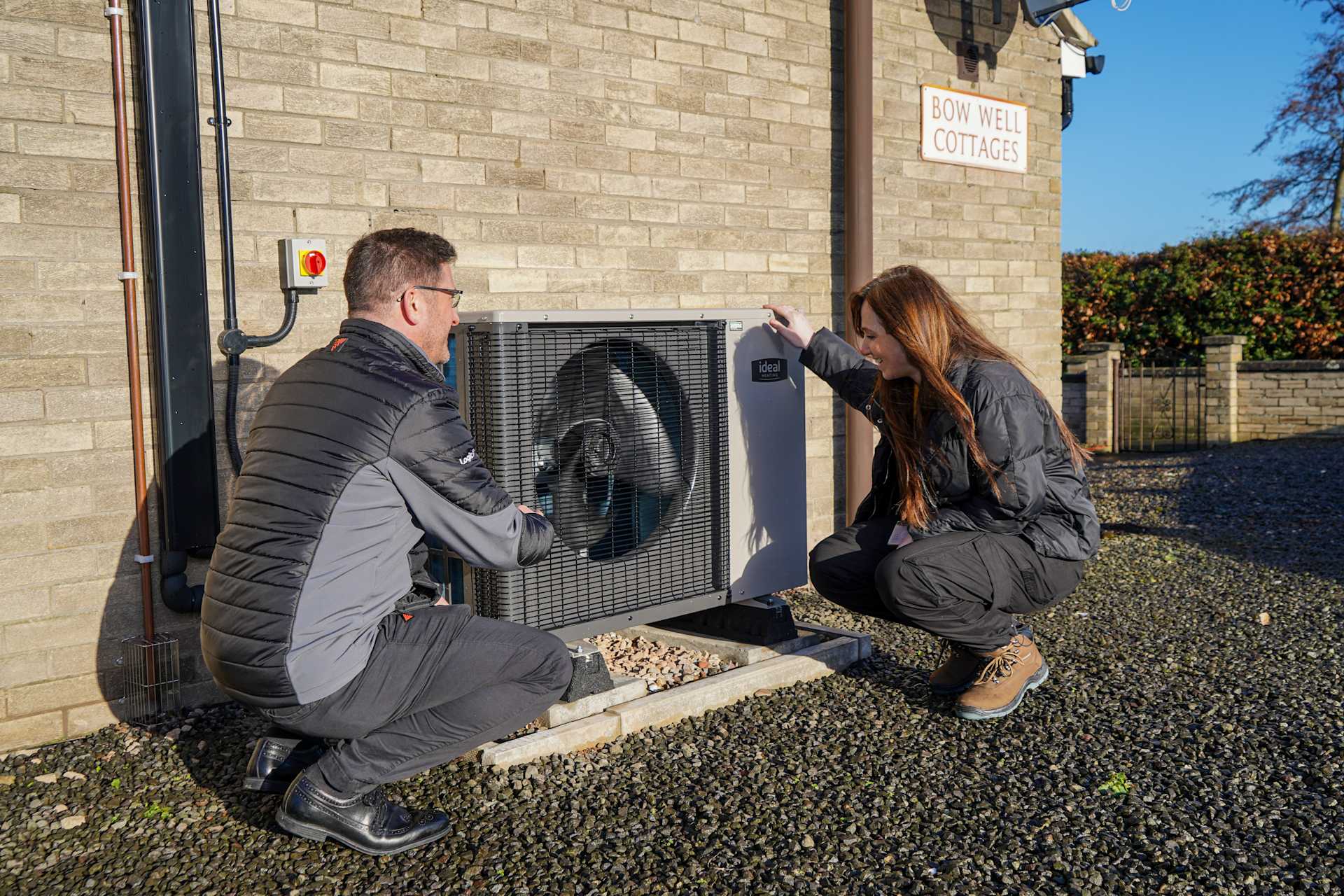
Many homeowners assume that once a heat pump is installed, everything should just work as expected.
However, in practice, system performance depends heavily on how the installation was designed, configured, and commissioned.
👉 A heat pump can be fully installed — but still not set up correctly.
🔍 Common Signs of a Poor Installation
If you’re unsure about your system, there are a few common signs that something may not be quite right.
1. The System Runs Constantly but Struggles to Heat the Home
Heat pumps are designed to run for long periods, but they should still maintain indoor temperature.
If your system runs continuously and the house still feels cold, this is a strong indication of a performance issue.
2. Radiators Never Feel Warm Enough
While heat pumps operate at lower temperatures, radiators should still provide consistent and comfortable heat.
If they remain lukewarm and rooms struggle to warm up, there may be issues with sizing, flow, or setup.
3. High Electricity Bills
Unexpectedly high running costs are often a sign that the system is operating inefficiently.
This can be caused by incorrect settings, poor system design, or installation issues
4. Flow Temperatures Are Set Too High
If your system is regularly running at 55–65°C for space heating, this can significantly reduce efficiency.
In many cases, this is used to compensate for underlying design or installation issues.
5. Uneven Heating Around the Property
If some rooms heat well while others remain cold, this can indicate poor system balance or circulation issues.
6. Frequent Use of Backup Heater
If your system relies heavily on an immersion or backup heater in normal winter conditions, this may indicate the system is struggling to meet demand.
One of the most reliable indicators of a poor installation is incorrect weather compensation — a setting that is misconfigured in the majority of systems we review. If you want to understand this in more detail before requesting a review, our guide on how to set weather compensation on a heat pump walks through exactly what to check.”
⚙️ What Should a Good Installation Include?
A properly installed heat pump system should include:
Correct system sizing based on the property
Suitable radiators or underfloor heating
Proper pipework design and flow rates
Correct control setup and configuration
🧠 Why Problems Often Go Unnoticed
Many issues are not immediately obvious after installation.
The system may appear to be working, but:
Efficiency is lower than it should be
Running costs are higher
Comfort levels are inconsistent
👉 These problems often only become noticeable over time.
🔄 Installation vs Setup
It’s important to understand that even if the physical installation is correct, the system still needs to be properly set up and commissioned.
Common setup issues include:
Incorrect weather compensation settings
Poor flow rate adjustment
🔍 When Should You Get It Checked?
You may want to review your system if:
The house doesn’t heat properly
Running costs are higher than expected
The system runs constantly
Comfort levels vary between rooms
👉 These are often signs that something within the system needs adjustment.
Need an Independent Technical Review?
If you’re unsure whether your heat pump has been installed and set up correctly, a structured technical review can provide clarity.
In many cases, the issue is not the heat pump itself — but how it has been designed, installed, or configured.
👉 If you already have a system installed, you can request a full heat pump performance review, where we assess system design, setup, and performance to identify exactly what’s happening — and what needs to change.
👉 If you’re planning an installation or reviewing a quote, you can request a pre-installation design & heat loss review to ensure everything is correct before work begins.
Both services provide clear, independent technical advice — no sales, no installation upsell.
Related reading: 7 Signs Your Heat Pump May Not Be Installed Correctly
How Do I Know If My Heat Pump Was Installed Correctly?
Many homeowners assume that once a heat pump is installed, everything should just work as expected.
However, in practice, system performance depends heavily on how the installation was designed, configured, and commissioned.
👉 A heat pump can be fully installed — but still not set up correctly.
🔍 Common Signs of a Poor Installation
If you’re unsure about your system, there are a few common signs that something may not be quite right.
1. The System Runs Constantly but Struggles to Heat the Home
Heat pumps are designed to run for long periods, but they should still maintain indoor temperature.
If your system runs continuously and the house still feels cold, this is a strong indication of a performance issue.
2. Radiators Never Feel Warm Enough
While heat pumps operate at lower temperatures, radiators should still provide consistent and comfortable heat.
If they remain lukewarm and rooms struggle to warm up, there may be issues with sizing, flow, or setup.
3. High Electricity Bills
Unexpectedly high running costs are often a sign that the system is operating inefficiently.
This can be caused by incorrect settings, poor system design, or installation issues
4. Flow Temperatures Are Set Too High
If your system is regularly running at 55–65°C for space heating, this can significantly reduce efficiency.
In many cases, this is used to compensate for underlying design or installation issues.
5. Uneven Heating Around the Property
If some rooms heat well while others remain cold, this can indicate poor system balance or circulation issues.
6. Frequent Use of Backup Heater
If your system relies heavily on an immersion or backup heater in normal winter conditions, this may indicate the system is struggling to meet demand.
One of the most reliable indicators of a poor installation is incorrect weather compensation — a setting that is misconfigured in the majority of systems we review. If you want to understand this in more detail before requesting a review, our guide on how to set weather compensation on a heat pump walks through exactly what to check.”
⚙️ What Should a Good Installation Include?
A properly installed heat pump system should include:
Correct system sizing based on the property
Suitable radiators or underfloor heating
Proper pipework design and flow rates
Correct control setup and configuration
🧠 Why Problems Often Go Unnoticed
Many issues are not immediately obvious after installation.
The system may appear to be working, but:
Efficiency is lower than it should be
Running costs are higher
Comfort levels are inconsistent
👉 These problems often only become noticeable over time.
🔄 Installation vs Setup
It’s important to understand that even if the physical installation is correct, the system still needs to be properly set up and commissioned.
Common setup issues include:
Incorrect weather compensation settings
Poor flow rate adjustment
🔍 When Should You Get It Checked?
You may want to review your system if:
The house doesn’t heat properly
Running costs are higher than expected
The system runs constantly
Comfort levels vary between rooms
👉 These are often signs that something within the system needs adjustment.
Need an Independent Technical Review?
If you’re unsure whether your heat pump has been installed and set up correctly, a structured technical review can provide clarity.
In many cases, the issue is not the heat pump itself — but how it has been designed, installed, or configured.
👉 If you already have a system installed, you can request a full heat pump performance review, where we assess system design, setup, and performance to identify exactly what’s happening — and what needs to change.
👉 If you’re planning an installation or reviewing a quote, you can request a pre-installation design & heat loss review to ensure everything is correct before work begins.
Both services provide clear, independent technical advice — no sales, no installation upsell.
Related reading: 7 Signs Your Heat Pump May Not Be Installed Correctly

Sep 30, 2026
5 min read
Best Electricity Tariffs for Heat Pump Owners in the UK
Read More
Sep 30, 2026
5 min read
Best Electricity Tariffs for Heat Pump Owners in the UK
Read More

Sep 27, 2026
5 min read
Are Heat Pumps Noisy? A UK Guide to Noise Levels and What's Normal
Read More
Sep 27, 2026
5 min read
Are Heat Pumps Noisy? A UK Guide to Noise Levels and What's Normal
Read More

Contact Us
Not Sure Which Service You Need?
Not Sure Which Service You Need?
Not Sure Which Service You Need?
Not Sure Which Service You Need?
Not Sure Which Service You Need?
Whether you need help with an existing heat pump, a pre-installation review, cooling advice, servicing or a room-by-room heat loss survey, send us a few details and we'll point you in the right direction.
Whether you need help with an existing heat pump, a pre-installation review, cooling advice, servicing or a room-by-room heat loss survey, send us a few details and we'll point you in the right direction.
Whether you need help with an existing heat pump, a pre-installation review, cooling advice, servicing or a room-by-room heat loss survey, send us a few details and we'll point you in the right direction.

