Why Are My Heat Pump Radiators Only Lukewarm? Common Causes Explained
Why Are My Heat Pump Radiators Only Lukewarm? Common Causes Explained
Why Are My Heat Pump Radiators Only Lukewarm? Common Causes Explained
Why Are My Heat Pump Radiators Only Lukewarm? Common Causes Explained
Why Are My Heat Pump Radiators Only Lukewarm? Common Causes Explained

UK Heat pump Help Technical Team
Independent Heat Pump Engineer
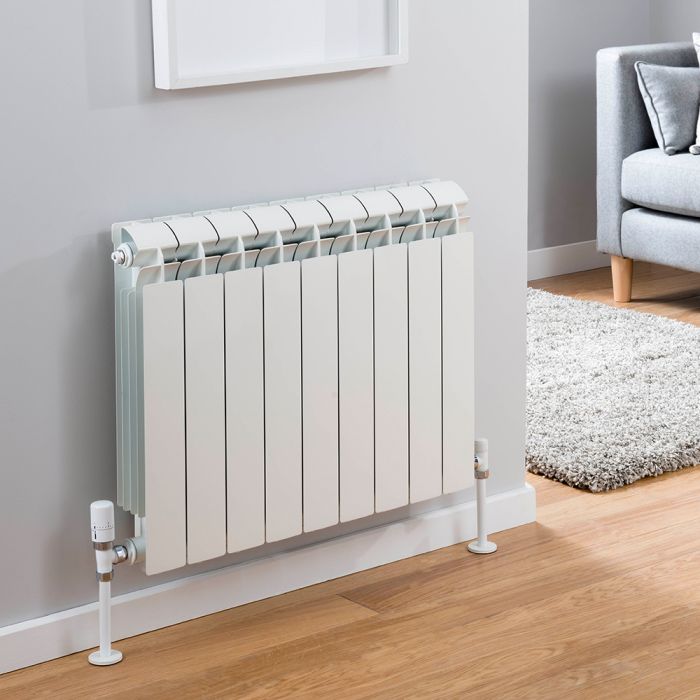
Many homeowners contact us because their heat pump appears to be running normally, yet the radiators never feel particularly hot or only ever seem lukewarm. Unlike traditional gas boilers, heat pumps operate at lower temperatures, so radiators may feel warm rather than hot to the touch.
However, if the house struggles to reach temperature or the system runs constantly without improving comfort, there may be an underlying system issue worth investigating.
1. Heat pumps run at lower temperatures
A gas boiler might run at 70–80°C, while heat pumps typically operate around 35–50°C.
This means radiators often feel lukewarm compared to gas systems, even when the system is working correctly.
2. Poor system circulation
If the system has poor flow through the radiators, it may struggle to circulate heat effectively
Common causes include:
Incorrect pump settings
Sludge or debris in pipework
Long pipe runs restricting circulation
Incorrect buffer tank connections
Strainer/ filter blocked
3. Radiators undersized for heat pump temperatures
Heat pumps rely on larger radiators or underfloor heating.
If the original radiators from a gas boiler system were kept, they may not emit enough heat at lower temperatures or be properly sized for heat pump operation.
4. Incorrect system setup
In some cases the issue is simply configuration:
Flow temperatures set too low
Weather compensation incorrectly adjusted
Controls cycling incorrectly due to poor commissioning or setup
Zone valves restricting flow
Zoning and wiring faults can cause entire areas of a home to receive no heating at all — we documented one such situation in our underfloor heating not working zoning wiring fault case study, which explains how the fault was traced and resolved.
5. When to seek a technical review
If your heat pump is running but your radiators remain lukewarm, or your home isn’t reaching the temperature you expect, it’s usually a sign that something within the system design, flow, or configuration needs attention.
These issues are often not obvious without reviewing how the system has been set up and how it’s operating in practice.
👉 If you’re experiencing this, you can request a full heat pump performance review, where we assess flow rates, radiator performance, system setup, and overall configuration to identify exactly what’s causing the issue — and how to fix it.
Related reading: How Dirty Filters Can Cause Heat Pump Problems
Many homeowners contact us because their heat pump appears to be running normally, yet the radiators never feel particularly hot or only ever seem lukewarm. Unlike traditional gas boilers, heat pumps operate at lower temperatures, so radiators may feel warm rather than hot to the touch.
However, if the house struggles to reach temperature or the system runs constantly without improving comfort, there may be an underlying system issue worth investigating.
1. Heat pumps run at lower temperatures
A gas boiler might run at 70–80°C, while heat pumps typically operate around 35–50°C.
This means radiators often feel lukewarm compared to gas systems, even when the system is working correctly.
2. Poor system circulation
If the system has poor flow through the radiators, it may struggle to circulate heat effectively
Common causes include:
Incorrect pump settings
Sludge or debris in pipework
Long pipe runs restricting circulation
Incorrect buffer tank connections
Strainer/ filter blocked
3. Radiators undersized for heat pump temperatures
Heat pumps rely on larger radiators or underfloor heating.
If the original radiators from a gas boiler system were kept, they may not emit enough heat at lower temperatures or be properly sized for heat pump operation.
4. Incorrect system setup
In some cases the issue is simply configuration:
Flow temperatures set too low
Weather compensation incorrectly adjusted
Controls cycling incorrectly due to poor commissioning or setup
Zone valves restricting flow
Zoning and wiring faults can cause entire areas of a home to receive no heating at all — we documented one such situation in our underfloor heating not working zoning wiring fault case study, which explains how the fault was traced and resolved.
5. When to seek a technical review
If your heat pump is running but your radiators remain lukewarm, or your home isn’t reaching the temperature you expect, it’s usually a sign that something within the system design, flow, or configuration needs attention.
These issues are often not obvious without reviewing how the system has been set up and how it’s operating in practice.
👉 If you’re experiencing this, you can request a full heat pump performance review, where we assess flow rates, radiator performance, system setup, and overall configuration to identify exactly what’s causing the issue — and how to fix it.
Related reading: How Dirty Filters Can Cause Heat Pump Problems

Sep 30, 2026
5 min read
Heat Pump Diverter Valve Problems: Heating and Hot Water Symptoms
Read More
Sep 30, 2026
5 min read
Heat Pump Diverter Valve Problems: Heating and Hot Water Symptoms
Read More

Sep 30, 2026
5 min read
Best Electricity Tariffs for Heat Pump Owners in the UK
Read More
Sep 30, 2026
5 min read
Best Electricity Tariffs for Heat Pump Owners in the UK
Read More


Contact Us
Not Sure Which Service You Need?
Not Sure Which Service You Need?
Not Sure Which Service You Need?
Not Sure Which Service You Need?
Not Sure Which Service You Need?
Whether you need help with an existing heat pump, a pre-installation review, cooling advice, servicing or a room-by-room heat loss survey, send us a few details and we'll point you in the right direction.
Whether you need help with an existing heat pump, a pre-installation review, cooling advice, servicing or a room-by-room heat loss survey, send us a few details and we'll point you in the right direction.
Whether you need help with an existing heat pump, a pre-installation review, cooling advice, servicing or a room-by-room heat loss survey, send us a few details and we'll point you in the right direction.

