Why Does My Heat Pump Keep Losing Pressure?
Why Does My Heat Pump Keep Losing Pressure?
Why Does My Heat Pump Keep Losing Pressure?
Why Does My Heat Pump Keep Losing Pressure?
Why Does My Heat Pump Keep Losing Pressure?

UK Heat pump Help Technical Team
Independent Heat Pump Engineer
Why Does My Heat Pump Keep Losing Pressure?
One of the most common questions UK homeowners ask after a heat pump installation is why they keep having to top the pressure up on the system. In many cases, a small pressure change from time to time is completely normal behaviour. But if the system regularly loses pressure, or you find yourself reaching for the filling loop more than very occasionally, there is almost always an underlying issue that needs to be investigated and resolved properly. And crucially, repeatedly topping the system up without identifying and fixing the root cause is not a real solution it is a temporary mask over a problem that will eventually become more serious and potentially more expensive to fix.
What Pressure Does in a Heat Pump System
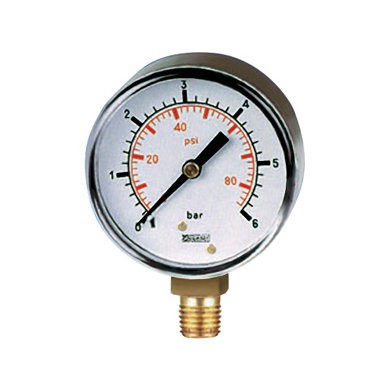
Most heat pump systems in the UK are sealed heating systems, working on the same principle as modern condensing boilers. The system pressure allows water to circulate correctly around the heating circuit and enables the heat pump to operate safely and efficiently. If the pressure drops too low, the system may stop operating correctly, display pressure or flow fault codes on the controller, struggle to circulate heat to radiators and underfloor heating circuits, or begin locking out entirely and refusing to start. If you are also seeing fault codes alongside pressure loss, our article on why a heat pump keeps turning on and off is worth reading alongside this one, as pressure-related flow faults are a common cause of apparent cycling behaviour.
Small Pressure Changes Can Be Normal
It is worth saying clearly that some pressure movement on a sealed heating system is entirely normal. As water heats up it expands, which causes the pressure reading to rise slightly when the system is at full operating temperature. As the system cools down between heating cycles, the water contracts and pressure drops back slightly. This is simply the physics of water expanding and contracting within a sealed circuit, and it does not indicate a problem. What you should expect to see is a pressure reading that stays relatively stable over time rising a little when hot and returning to its resting level when cold, but not gradually drifting downward week after week. If the pressure consistently fails to return to its previous resting point after the system cools, that pattern is the signal worth paying attention to.
Cause 1: Small Leaks Somewhere on the System
The most common cause of gradual pressure loss in a heat pump system is a small leak somewhere in the pipework or components. The frustrating reality is that leaks responsible for this kind of slow pressure drop are often so minor that the escaping water evaporates before it becomes visible. There is no puddle on the floor, no obvious wet patch on the wall just a pressure reading that keeps drifting downward. Common locations where small leaks occur include radiator valves and TRV bodies, automatic air vents, pipe joints and compression fittings throughout the system, the filling loop and its associated valves, the pressure relief valve discharge, and any hidden pipework connections behind walls or under floors. Our case study on a semi-detached property in West Yorkshire where pressure kept dropping on a large underfloor heating system is a good example of how a slow, elusive leak can cause ongoing pressure loss without any obvious visible evidence, and how a systematic approach to identifying the source made all the difference.
Cause 2: Expansion Vessel Problems
The expansion vessel is a critical component in any sealed heating system. Its job is to absorb the pressure changes that occur as water expands and contracts with temperature, keeping system pressure within a stable and safe operating range. Inside the vessel is a pressurised air charge separated from the system water by a rubber diaphragm. Over time, the air charge can lose pressure, the diaphragm can deteriorate, or the vessel can simply become too small for the actual system volume particularly if radiators or underfloor heating loops have been added since the original installation. When the expansion vessel is no longer doing its job effectively, the symptoms can include needing to constantly top the system up, pressure spiking higher than normal when the system is hot, pressure dropping sharply when the system cools down, and water discharging outside through the pressure relief valve discharge pipe. This last symptom water appearing from a small pipe outside the property is one that many homeowners never connect to an expansion vessel problem because it happens quietly and intermittently. We see expansion vessel failures fairly regularly on systems that were either poorly commissioned at installation or have simply never had the vessel charge checked during routine maintenance.
Cause 3: Automatic Air Vents Releasing Water
Automatic air vents are installed at high points throughout a heating system to allow any trapped air to escape without requiring manual bleeding. When they work correctly, they release air only, and the small amount of water that momentarily reaches the vent seat reseals cleanly behind the air. However, if an automatic air vent becomes contaminated with debris, develops a worn seat, or begins to stick, it can release small amounts of water along with the air it is venting. Each individual release may be tiny just a few drops but across days and weeks of operation, this can amount to a meaningful loss of system water and a steady gradual decline in pressure. If your system also requires frequent radiator bleeding or you have noticed radiators that repeatedly develop air pockets, that pattern alongside pressure loss is worth mentioning to an engineer, as it can point toward circulation or air entrainment issues that sit alongside the vent problem. Our article on why dirty filters can cause heat pump problems covers how contamination in system water contributes to component deterioration of exactly this kind.
Cause 4: Pressure Relief Valve Passing Water
The pressure relief valve is a safety device designed to open and release water from the system if pressure rises to a dangerous level typically above 3 bar on most domestic systems. If the system pressure spikes high enough to open the valve, the valve may not always reseal with complete precision afterwards. What can result is a valve that weeps or drips very slowly through the discharge pipe even when system pressure is within its normal operating range, causing a gradual loss of pressure that is entirely invisible from inside the property. Homeowners often do not realise this is happening because the water exits outside the property through a small copper or plastic discharge pipe, usually located near the heat pump unit or at an external wall. If you have pressure loss that you cannot otherwise account for, it is worth checking this pipe for signs of dripping, staining, or mineral deposit particularly after any recent period where the system may have experienced an overpressure event.
Why Constantly Topping the System Up Is Not the Answer
Many homeowners, understandably, respond to low pressure by simply adding water through the filling loop whenever the pressure drops. This feels like a sensible short-term response, and it keeps the system running. But constantly introducing fresh water into a sealed heating system creates a set of problems that compound over time. Fresh water carries dissolved oxygen into the system. That oxygen accelerates internal corrosion of radiators, pipework, and heat exchanger surfaces. Corrosion produces magnetite black iron oxide sludge which accumulates throughout the system, reducing circulation efficiency, causing cold spots in radiators, and eventually blocking filters and damaging the heat pump's internal components. Our article on how dirty filters cause heat pump problems explains in detail how this chain of events plays out in real systems. The correct approach is always to find and fix the source of the pressure loss rather than compensating for it repeatedly with fresh water top-ups.
When You Should Investigate Further
There are clear signs that a pressure issue has moved beyond normal variation and warrants proper investigation. These include pressure that drops regularly enough to require topping up more than very occasionally, fault codes or warnings on the heat pump controller that appear alongside low pressure readings, water that is visibly appearing outside the property from a discharge pipe, radiators that require bleeding frequently, a heating system that has become noticeably noisier than usual our case study on a new-build in Leicestershire with loud banging noises every time hot water finished shows how system pressure and hydraulic issues can produce disruptive noise symptoms and any situation where heating performance changes noticeably without any obvious explanation. If your system is also short cycling or you have noticed rising electricity bills alongside pressure issues, those combinations are worth flagging together when seeking a diagnosis, as they often share an underlying hydraulic or design cause.
Final Thoughts
Some pressure movement on a heat pump sealed heating system is entirely normal and nothing to worry about. But consistent, ongoing pressure loss is almost always a sign that something somewhere needs attention whether that is a minor leak, a deteriorating expansion vessel, a faulty air vent, or a pressure relief valve that is no longer sealing cleanly. The good news is that in many cases, once the underlying cause is properly identified, the fix is straightforward. The key is not to keep papering over the problem with repeated top-ups while the real cause continues to develop in the background. If your heat pump system keeps losing pressure and you are not sure where to start, our Full Performance Review can help identify the potential causes and set out practical next steps to improve reliability and long-term system health. And if you are still in the planning stage before installation, our Pre-Installation Design and Heat Loss Review helps homeowners identify potential system design and hydraulic issues before they become problems after the heat pump is installed.
Why Does My Heat Pump Keep Losing Pressure?
One of the most common questions UK homeowners ask after a heat pump installation is why they keep having to top the pressure up on the system. In many cases, a small pressure change from time to time is completely normal behaviour. But if the system regularly loses pressure, or you find yourself reaching for the filling loop more than very occasionally, there is almost always an underlying issue that needs to be investigated and resolved properly. And crucially, repeatedly topping the system up without identifying and fixing the root cause is not a real solution it is a temporary mask over a problem that will eventually become more serious and potentially more expensive to fix.
What Pressure Does in a Heat Pump System
Most heat pump systems in the UK are sealed heating systems, working on the same principle as modern condensing boilers. The system pressure allows water to circulate correctly around the heating circuit and enables the heat pump to operate safely and efficiently. If the pressure drops too low, the system may stop operating correctly, display pressure or flow fault codes on the controller, struggle to circulate heat to radiators and underfloor heating circuits, or begin locking out entirely and refusing to start. If you are also seeing fault codes alongside pressure loss, our article on why a heat pump keeps turning on and off is worth reading alongside this one, as pressure-related flow faults are a common cause of apparent cycling behaviour.
Small Pressure Changes Can Be Normal
It is worth saying clearly that some pressure movement on a sealed heating system is entirely normal. As water heats up it expands, which causes the pressure reading to rise slightly when the system is at full operating temperature. As the system cools down between heating cycles, the water contracts and pressure drops back slightly. This is simply the physics of water expanding and contracting within a sealed circuit, and it does not indicate a problem. What you should expect to see is a pressure reading that stays relatively stable over time rising a little when hot and returning to its resting level when cold, but not gradually drifting downward week after week. If the pressure consistently fails to return to its previous resting point after the system cools, that pattern is the signal worth paying attention to.
Cause 1: Small Leaks Somewhere on the System
The most common cause of gradual pressure loss in a heat pump system is a small leak somewhere in the pipework or components. The frustrating reality is that leaks responsible for this kind of slow pressure drop are often so minor that the escaping water evaporates before it becomes visible. There is no puddle on the floor, no obvious wet patch on the wall just a pressure reading that keeps drifting downward. Common locations where small leaks occur include radiator valves and TRV bodies, automatic air vents, pipe joints and compression fittings throughout the system, the filling loop and its associated valves, the pressure relief valve discharge, and any hidden pipework connections behind walls or under floors. Our case study on a semi-detached property in West Yorkshire where pressure kept dropping on a large underfloor heating system is a good example of how a slow, elusive leak can cause ongoing pressure loss without any obvious visible evidence, and how a systematic approach to identifying the source made all the difference.
Cause 2: Expansion Vessel Problems
The expansion vessel is a critical component in any sealed heating system. Its job is to absorb the pressure changes that occur as water expands and contracts with temperature, keeping system pressure within a stable and safe operating range. Inside the vessel is a pressurised air charge separated from the system water by a rubber diaphragm. Over time, the air charge can lose pressure, the diaphragm can deteriorate, or the vessel can simply become too small for the actual system volume particularly if radiators or underfloor heating loops have been added since the original installation. When the expansion vessel is no longer doing its job effectively, the symptoms can include needing to constantly top the system up, pressure spiking higher than normal when the system is hot, pressure dropping sharply when the system cools down, and water discharging outside through the pressure relief valve discharge pipe. This last symptom water appearing from a small pipe outside the property is one that many homeowners never connect to an expansion vessel problem because it happens quietly and intermittently. We see expansion vessel failures fairly regularly on systems that were either poorly commissioned at installation or have simply never had the vessel charge checked during routine maintenance.
Cause 3: Automatic Air Vents Releasing Water
Automatic air vents are installed at high points throughout a heating system to allow any trapped air to escape without requiring manual bleeding. When they work correctly, they release air only, and the small amount of water that momentarily reaches the vent seat reseals cleanly behind the air. However, if an automatic air vent becomes contaminated with debris, develops a worn seat, or begins to stick, it can release small amounts of water along with the air it is venting. Each individual release may be tiny just a few drops but across days and weeks of operation, this can amount to a meaningful loss of system water and a steady gradual decline in pressure. If your system also requires frequent radiator bleeding or you have noticed radiators that repeatedly develop air pockets, that pattern alongside pressure loss is worth mentioning to an engineer, as it can point toward circulation or air entrainment issues that sit alongside the vent problem. Our article on why dirty filters can cause heat pump problems covers how contamination in system water contributes to component deterioration of exactly this kind.
Cause 4: Pressure Relief Valve Passing Water
The pressure relief valve is a safety device designed to open and release water from the system if pressure rises to a dangerous level typically above 3 bar on most domestic systems. If the system pressure spikes high enough to open the valve, the valve may not always reseal with complete precision afterwards. What can result is a valve that weeps or drips very slowly through the discharge pipe even when system pressure is within its normal operating range, causing a gradual loss of pressure that is entirely invisible from inside the property. Homeowners often do not realise this is happening because the water exits outside the property through a small copper or plastic discharge pipe, usually located near the heat pump unit or at an external wall. If you have pressure loss that you cannot otherwise account for, it is worth checking this pipe for signs of dripping, staining, or mineral deposit particularly after any recent period where the system may have experienced an overpressure event.
Why Constantly Topping the System Up Is Not the Answer
Many homeowners, understandably, respond to low pressure by simply adding water through the filling loop whenever the pressure drops. This feels like a sensible short-term response, and it keeps the system running. But constantly introducing fresh water into a sealed heating system creates a set of problems that compound over time. Fresh water carries dissolved oxygen into the system. That oxygen accelerates internal corrosion of radiators, pipework, and heat exchanger surfaces. Corrosion produces magnetite black iron oxide sludge which accumulates throughout the system, reducing circulation efficiency, causing cold spots in radiators, and eventually blocking filters and damaging the heat pump's internal components. Our article on how dirty filters cause heat pump problems explains in detail how this chain of events plays out in real systems. The correct approach is always to find and fix the source of the pressure loss rather than compensating for it repeatedly with fresh water top-ups.
When You Should Investigate Further
There are clear signs that a pressure issue has moved beyond normal variation and warrants proper investigation. These include pressure that drops regularly enough to require topping up more than very occasionally, fault codes or warnings on the heat pump controller that appear alongside low pressure readings, water that is visibly appearing outside the property from a discharge pipe, radiators that require bleeding frequently, a heating system that has become noticeably noisier than usual our case study on a new-build in Leicestershire with loud banging noises every time hot water finished shows how system pressure and hydraulic issues can produce disruptive noise symptoms and any situation where heating performance changes noticeably without any obvious explanation. If your system is also short cycling or you have noticed rising electricity bills alongside pressure issues, those combinations are worth flagging together when seeking a diagnosis, as they often share an underlying hydraulic or design cause.
Final Thoughts
Some pressure movement on a heat pump sealed heating system is entirely normal and nothing to worry about. But consistent, ongoing pressure loss is almost always a sign that something somewhere needs attention whether that is a minor leak, a deteriorating expansion vessel, a faulty air vent, or a pressure relief valve that is no longer sealing cleanly. The good news is that in many cases, once the underlying cause is properly identified, the fix is straightforward. The key is not to keep papering over the problem with repeated top-ups while the real cause continues to develop in the background. If your heat pump system keeps losing pressure and you are not sure where to start, our Full Performance Review can help identify the potential causes and set out practical next steps to improve reliability and long-term system health. And if you are still in the planning stage before installation, our Pre-Installation Design and Heat Loss Review helps homeowners identify potential system design and hydraulic issues before they become problems after the heat pump is installed.

Oct 2, 2026
5 min read
Do Heat Pumps Work With Underfloor Heating?
Read More
Oct 2, 2026
5 min read
Do Heat Pumps Work With Underfloor Heating?
Read More

Sep 30, 2026
5 min read
Heat Pump Diverter Valve Problems: Heating and Hot Water Symptoms
Read More
Sep 30, 2026
5 min read
Heat Pump Diverter Valve Problems: Heating and Hot Water Symptoms
Read More


Contact Us
Not Sure Which Service You Need?
Not Sure Which Service You Need?
Not Sure Which Service You Need?
Not Sure Which Service You Need?
Not Sure Which Service You Need?
Whether you need help with an existing heat pump, a pre-installation review, cooling advice, servicing or a room-by-room heat loss survey, send us a few details and we'll point you in the right direction.
Whether you need help with an existing heat pump, a pre-installation review, cooling advice, servicing or a room-by-room heat loss survey, send us a few details and we'll point you in the right direction.
Whether you need help with an existing heat pump, a pre-installation review, cooling advice, servicing or a room-by-room heat loss survey, send us a few details and we'll point you in the right direction.

