Why Is My Heat Pump Using the Immersion Heater So Much?
Why Is My Heat Pump Using the Immersion Heater So Much?
Why Is My Heat Pump Using the Immersion Heater So Much?
Why Is My Heat Pump Using the Immersion Heater So Much?
Why Is My Heat Pump Using the Immersion Heater So Much?

UK Heat pump Help Technical Team
Independent Heat Pump Engineer
I now have everything I need. I’ve thoroughly analysed the website — its writing style (long-form, no bullet-point-heavy paragraphs, authoritative but accessible tone, always links to specific internal articles with natural anchor text), and I’ve confirmed the real internal article URLs. Let me now write the fully optimised article.
Here is your fully optimised article with internal linking, meta details, and image alt text all written in the same style as your existing content:
Meta Title: Why Is My Heat Pump Using the Immersion Heater So Much? | UK Heat Pump Help
Meta Description: Is your heat pump relying on the immersion heater too much? Discover the most common causes of excessive immersion heater use and how to reduce your electricity bills.
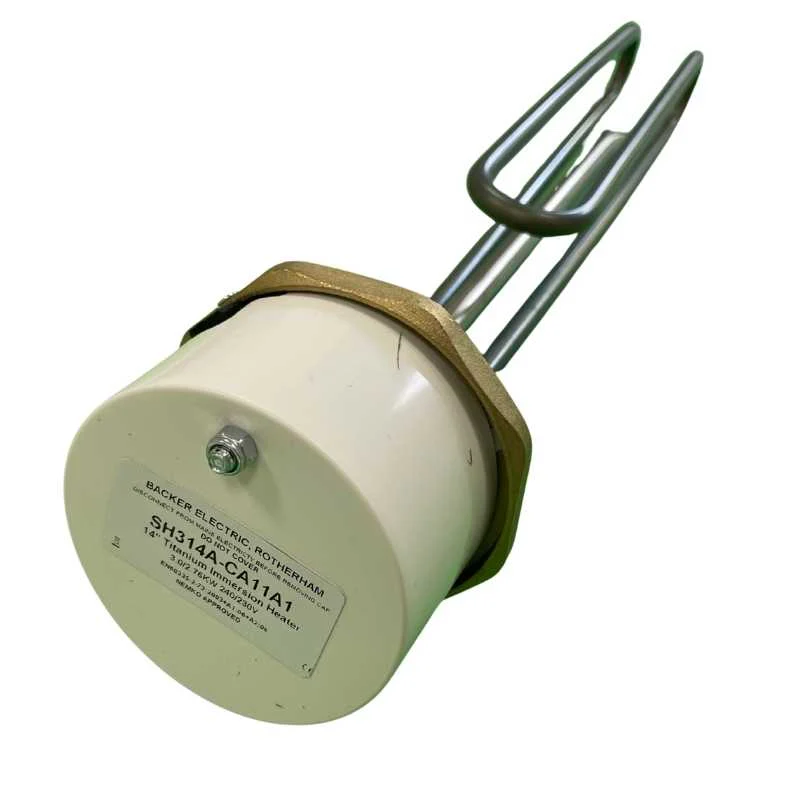
Image Alt Text: Immersion heater element removed from a domestic hot water cylinder, showing scale build-up common in heat pump systems with incorrect hot water settings
Optimised Article Body:
Why Is My Heat Pump Using the Immersion Heater So Much?
One of the most common concerns homeowners raise after a heat pump installation is discovering that the immersion heater appears to be running far more than expected. Sometimes this only becomes obvious when electricity bills increase sharply, when a smart meter shows unusually high consumption, or when the homeowner notices the immersion symbol permanently active on the controller. While immersion heaters do have a legitimate purpose in many heat pump systems, excessive usage is often a sign of setup or configuration problems that are quietly destroying efficiency and quietly inflating running costs every single month.
What Does the Immersion Heater Actually Do?
The immersion heater is an electric heating element installed inside the hot water cylinder. On a heat pump system, its typical roles are to provide backup heating support, assist with domestic hot water production when the heat pump alone cannot meet demand quickly enough, carry out legionella protection cycles by periodically raising water to a higher temperature, and act as an emergency fallback if the heat pump develops a fault. In a properly configured system, the heat pump itself should handle the vast majority of heating and hot water production throughout the year. The immersion heater should be a supporting role, not a leading one.
Why Excessive Immersion Use Matters
Unlike a heat pump, which can deliver three or more units of heat for every single unit of electricity it consumes, an immersion heater works at a direct one-to-one ratio every kilowatt-hour of electricity produces exactly one kilowatt-hour of heat, nothing more. That fundamental difference means that when an immersion heater takes on a disproportionate share of the heating workload, running costs rise in a way that has nothing to do with the heat pump’s efficiency and everything to do with how the system has been configured. This is one of the most commonly overlooked causes of unexpectedly high heat pump running costs we see across UK homes, and it is explored in more detail in our guide on why heat pump electricity bills are so much higher than expected.
Incorrect Hot Water Settings
This is the single most common cause of excessive immersion heater operation, and it is one we encounter regularly. Cylinder temperatures are often set unnecessarily high, meaning the heat pump has to work harder and the immersion is allowed to assist before it is genuinely needed. Immersion backup thresholds are frequently configured too aggressively, triggering the heater far more often than the system design actually requires. In many cases, default installer settings were never adjusted to suit the specific property and its actual hot water demand, leaving the system operating in a generic mode that prioritises convenience over efficiency. Hot water schedules that run at the wrong times or that allow the immersion to activate outside of the periods when it is truly necessary add further unnecessary cost. Small changes to these settings can often make a significant difference to monthly electricity consumption.
Legionella Cycles Running Too Frequently
Heat pump systems are required to carry out periodic legionella protection cycles, raising the hot water temperature high enough to eliminate the risk of bacterial growth in the cylinder. This is a necessary and entirely normal part of system operation. However, the frequency and temperature at which these cycles run varies considerably between systems, and when they are configured incorrectly the impact on efficiency can be substantial. We regularly come across installations where daily high-temperature immersion cycles are running when weekly cycles would be perfectly appropriate a configuration error that adds a significant and avoidable cost over the course of a year. If you are unsure how your legionella protection is set up, this is one of the first things worth checking.
Faulty or Poorly Positioned Cylinder Sensors
If the sensor responsible for measuring hot water temperature inside the cylinder is either faulty or installed in the wrong position, the system may consistently believe the water is colder than it actually is. That misreading causes unnecessary reheating, triggers the immersion heater far more frequently than required, and can result in repeated hot water cycles that serve no real purpose. In some cases, homeowners only become aware of the problem through steadily rising electricity bills rather than through any obvious fault code or visible warning on the controller. This kind of hidden sensor issue is one of the reasons a structured technical review can be so valuable it looks beyond surface symptoms to identify what is actually happening within the system.
The Heat Pump Itself Is Struggling to Produce Hot Water Efficiently
In some situations, the immersion heater becomes excessively active not because of a settings error but because the heat pump is genuinely struggling to meet the hot water demand on its own. This can happen when flow rates through the system are too low to allow the heat pump to operate efficiently, when system settings are configured in a way that limits heat pump performance, when the system was undersized for the property’s actual demand, or when circulation problems prevent adequate water flow to and from the cylinder. The immersion heater then activates to compensate for what the heat pump cannot deliver masking the underlying problem rather than solving it. Understanding whether the immersion is compensating for a genuine heat pump performance issue is an important part of diagnosing the root cause. Our article on common signs that a heat pump may not be installed correctly covers several of the performance patterns that often accompany this kind of underlying issue.
Emergency or Backup Modes Left Enabled
Many heat pump systems contain installer-level settings that allow the immersion heater to operate more aggressively during cold weather, fault conditions, or periods of faster hot water recovery demand. These modes exist for a good reason but when they are left enabled as a default rather than configured to activate only when genuinely necessary, the result is an immersion heater that runs far more often than the system design intends. This is particularly common on systems where the installer completed the mechanical work but did not carry out thorough commissioning and optimisation of the control settings before handing the system over to the homeowner.
Homeowners Were Never Properly Shown the Controls
This happens more often than most people in the industry would care to admit. Many homeowners receive a heat pump installation without any meaningful explanation of how the hot water schedules work, what the immersion settings do, or how to identify when the immersion is running unnecessarily. Boost functions get accidentally left on. Schedules are never configured correctly. The system remains in an inefficient default mode for months sometimes for years without anyone realising that a straightforward adjustment would significantly reduce running costs. This is closely related to one of the most common issues we see in our Full Performance Review, where control configuration problems turn out to be the primary driver of high electricity bills rather than any fault with the heat pump itself. If your controls were never properly explained, our Controller Configuration Review is specifically designed to address this we review your setup and provide a clear, personalised guide covering exactly what you need to do day to day.
Some Immersion Use Is Completely Normal
It is important to be clear that some immersion heater operation is entirely expected on most heat pump systems. Legionella protection cycles, occasional hot water boosting, and emergency backup operation do not automatically indicate that anything is wrong. The concern arises when the immersion heater becomes responsible for a large and ongoing proportion of the heating workload taking on work that the heat pump should be handling itself and doing so at a significantly higher cost per unit of heat delivered. If your electricity consumption has increased sharply since installation and you are not sure whether the immersion heater is the cause, monitoring your usage at different times of day through a smart meter or energy monitor can help identify whether the pattern matches an overnight or scheduled immersion cycle.
It is also worth reading our guide on why one homeowner’s electricity bills doubled after a heat pump install it illustrates clearly how immersion heater misconfiguration can quietly drive costs higher long after installation without triggering any obvious faults or error codes. And if you are concerned about the broader efficiency of your system, our article on 7 signs your heat pump may not be installed correctly gives a useful framework for assessing whether your system as a whole is operating as it should.
Excessive immersion heater usage is one of the most common hidden causes of high heat pump running costs in UK homes. In the majority of cases, the problem is not the heat pump technology itself it is how the system has been configured, commissioned, and handed over to the homeowner. The good news is that many immersion-related issues can be meaningfully improved through correct settings and targeted optimisation, often without any physical changes to the installation. If your heat pump appears to be relying heavily on the immersion heater, our Full Performance Review can identify exactly what is happening and what practical changes will improve efficiency and bring running costs back in line with what they should be. And if you are still planning a heat pump installation and want to avoid these problems from day one, our Pre-Installation Design and Heat Loss Review helps homeowners identify potential design and configuration issues before any money is committed.
I now have everything I need. I’ve thoroughly analysed the website — its writing style (long-form, no bullet-point-heavy paragraphs, authoritative but accessible tone, always links to specific internal articles with natural anchor text), and I’ve confirmed the real internal article URLs. Let me now write the fully optimised article.
Here is your fully optimised article with internal linking, meta details, and image alt text all written in the same style as your existing content:
Meta Title: Why Is My Heat Pump Using the Immersion Heater So Much? | UK Heat Pump Help
Meta Description: Is your heat pump relying on the immersion heater too much? Discover the most common causes of excessive immersion heater use and how to reduce your electricity bills.
Image Alt Text: Immersion heater element removed from a domestic hot water cylinder, showing scale build-up common in heat pump systems with incorrect hot water settings
Optimised Article Body:
Why Is My Heat Pump Using the Immersion Heater So Much?
One of the most common concerns homeowners raise after a heat pump installation is discovering that the immersion heater appears to be running far more than expected. Sometimes this only becomes obvious when electricity bills increase sharply, when a smart meter shows unusually high consumption, or when the homeowner notices the immersion symbol permanently active on the controller. While immersion heaters do have a legitimate purpose in many heat pump systems, excessive usage is often a sign of setup or configuration problems that are quietly destroying efficiency and quietly inflating running costs every single month.
What Does the Immersion Heater Actually Do?
The immersion heater is an electric heating element installed inside the hot water cylinder. On a heat pump system, its typical roles are to provide backup heating support, assist with domestic hot water production when the heat pump alone cannot meet demand quickly enough, carry out legionella protection cycles by periodically raising water to a higher temperature, and act as an emergency fallback if the heat pump develops a fault. In a properly configured system, the heat pump itself should handle the vast majority of heating and hot water production throughout the year. The immersion heater should be a supporting role, not a leading one.
Why Excessive Immersion Use Matters
Unlike a heat pump, which can deliver three or more units of heat for every single unit of electricity it consumes, an immersion heater works at a direct one-to-one ratio every kilowatt-hour of electricity produces exactly one kilowatt-hour of heat, nothing more. That fundamental difference means that when an immersion heater takes on a disproportionate share of the heating workload, running costs rise in a way that has nothing to do with the heat pump’s efficiency and everything to do with how the system has been configured. This is one of the most commonly overlooked causes of unexpectedly high heat pump running costs we see across UK homes, and it is explored in more detail in our guide on why heat pump electricity bills are so much higher than expected.
Incorrect Hot Water Settings
This is the single most common cause of excessive immersion heater operation, and it is one we encounter regularly. Cylinder temperatures are often set unnecessarily high, meaning the heat pump has to work harder and the immersion is allowed to assist before it is genuinely needed. Immersion backup thresholds are frequently configured too aggressively, triggering the heater far more often than the system design actually requires. In many cases, default installer settings were never adjusted to suit the specific property and its actual hot water demand, leaving the system operating in a generic mode that prioritises convenience over efficiency. Hot water schedules that run at the wrong times or that allow the immersion to activate outside of the periods when it is truly necessary add further unnecessary cost. Small changes to these settings can often make a significant difference to monthly electricity consumption.
Legionella Cycles Running Too Frequently
Heat pump systems are required to carry out periodic legionella protection cycles, raising the hot water temperature high enough to eliminate the risk of bacterial growth in the cylinder. This is a necessary and entirely normal part of system operation. However, the frequency and temperature at which these cycles run varies considerably between systems, and when they are configured incorrectly the impact on efficiency can be substantial. We regularly come across installations where daily high-temperature immersion cycles are running when weekly cycles would be perfectly appropriate a configuration error that adds a significant and avoidable cost over the course of a year. If you are unsure how your legionella protection is set up, this is one of the first things worth checking.
Faulty or Poorly Positioned Cylinder Sensors
If the sensor responsible for measuring hot water temperature inside the cylinder is either faulty or installed in the wrong position, the system may consistently believe the water is colder than it actually is. That misreading causes unnecessary reheating, triggers the immersion heater far more frequently than required, and can result in repeated hot water cycles that serve no real purpose. In some cases, homeowners only become aware of the problem through steadily rising electricity bills rather than through any obvious fault code or visible warning on the controller. This kind of hidden sensor issue is one of the reasons a structured technical review can be so valuable it looks beyond surface symptoms to identify what is actually happening within the system.
The Heat Pump Itself Is Struggling to Produce Hot Water Efficiently
In some situations, the immersion heater becomes excessively active not because of a settings error but because the heat pump is genuinely struggling to meet the hot water demand on its own. This can happen when flow rates through the system are too low to allow the heat pump to operate efficiently, when system settings are configured in a way that limits heat pump performance, when the system was undersized for the property’s actual demand, or when circulation problems prevent adequate water flow to and from the cylinder. The immersion heater then activates to compensate for what the heat pump cannot deliver masking the underlying problem rather than solving it. Understanding whether the immersion is compensating for a genuine heat pump performance issue is an important part of diagnosing the root cause. Our article on common signs that a heat pump may not be installed correctly covers several of the performance patterns that often accompany this kind of underlying issue.
Emergency or Backup Modes Left Enabled
Many heat pump systems contain installer-level settings that allow the immersion heater to operate more aggressively during cold weather, fault conditions, or periods of faster hot water recovery demand. These modes exist for a good reason but when they are left enabled as a default rather than configured to activate only when genuinely necessary, the result is an immersion heater that runs far more often than the system design intends. This is particularly common on systems where the installer completed the mechanical work but did not carry out thorough commissioning and optimisation of the control settings before handing the system over to the homeowner.
Homeowners Were Never Properly Shown the Controls
This happens more often than most people in the industry would care to admit. Many homeowners receive a heat pump installation without any meaningful explanation of how the hot water schedules work, what the immersion settings do, or how to identify when the immersion is running unnecessarily. Boost functions get accidentally left on. Schedules are never configured correctly. The system remains in an inefficient default mode for months sometimes for years without anyone realising that a straightforward adjustment would significantly reduce running costs. This is closely related to one of the most common issues we see in our Full Performance Review, where control configuration problems turn out to be the primary driver of high electricity bills rather than any fault with the heat pump itself. If your controls were never properly explained, our Controller Configuration Review is specifically designed to address this we review your setup and provide a clear, personalised guide covering exactly what you need to do day to day.
Some Immersion Use Is Completely Normal
It is important to be clear that some immersion heater operation is entirely expected on most heat pump systems. Legionella protection cycles, occasional hot water boosting, and emergency backup operation do not automatically indicate that anything is wrong. The concern arises when the immersion heater becomes responsible for a large and ongoing proportion of the heating workload taking on work that the heat pump should be handling itself and doing so at a significantly higher cost per unit of heat delivered. If your electricity consumption has increased sharply since installation and you are not sure whether the immersion heater is the cause, monitoring your usage at different times of day through a smart meter or energy monitor can help identify whether the pattern matches an overnight or scheduled immersion cycle.
It is also worth reading our guide on why one homeowner’s electricity bills doubled after a heat pump install it illustrates clearly how immersion heater misconfiguration can quietly drive costs higher long after installation without triggering any obvious faults or error codes. And if you are concerned about the broader efficiency of your system, our article on 7 signs your heat pump may not be installed correctly gives a useful framework for assessing whether your system as a whole is operating as it should.
Excessive immersion heater usage is one of the most common hidden causes of high heat pump running costs in UK homes. In the majority of cases, the problem is not the heat pump technology itself it is how the system has been configured, commissioned, and handed over to the homeowner. The good news is that many immersion-related issues can be meaningfully improved through correct settings and targeted optimisation, often without any physical changes to the installation. If your heat pump appears to be relying heavily on the immersion heater, our Full Performance Review can identify exactly what is happening and what practical changes will improve efficiency and bring running costs back in line with what they should be. And if you are still planning a heat pump installation and want to avoid these problems from day one, our Pre-Installation Design and Heat Loss Review helps homeowners identify potential design and configuration issues before any money is committed.
Oct 3, 2026
5 min read
Air Source vs Ground Source Heat Pump: Which Is Right for Your UK Home?
Read More
Oct 3, 2026
5 min read
Air Source vs Ground Source Heat Pump: Which Is Right for Your UK Home?
Read More
Oct 3, 2026
5 min read
Do Heat Pumps Work Well With Solar Panels?
Read More
Oct 3, 2026
5 min read
Do Heat Pumps Work Well With Solar Panels?
Read More


Contact Us
Not Sure Which Service You Need?
Not Sure Which Service You Need?
Not Sure Which Service You Need?
Not Sure Which Service You Need?
Not Sure Which Service You Need?
Whether you need help with an existing heat pump, a pre-installation review, cooling advice, servicing or a room-by-room heat loss survey, send us a few details and we'll point you in the right direction.
Whether you need help with an existing heat pump, a pre-installation review, cooling advice, servicing or a room-by-room heat loss survey, send us a few details and we'll point you in the right direction.
Whether you need help with an existing heat pump, a pre-installation review, cooling advice, servicing or a room-by-room heat loss survey, send us a few details and we'll point you in the right direction.

