Do Heat Pumps Work in Freezing Temperatures? UK Reality Explained
Do Heat Pumps Work in Freezing Temperatures? UK Reality Explained
Do Heat Pumps Work in Freezing Temperatures? UK Reality Explained
Do Heat Pumps Work in Freezing Temperatures? UK Reality Explained
Do Heat Pumps Work in Freezing Temperatures? UK Reality Explained

UK Heat pump Help Technical Team
Independent Heat Pump Engineer
Many homeowners wonder whether heat pumps can continue to operate effectively during freezing weather.
This is a common concern — especially during cold spells when temperatures drop below zero and heating demand is highest.
The short answer is:
👉 Yes, heat pumps are designed to work in freezing temperatures — but how well they perform depends on system design, setup, and the property itself.
❄️ How Heat Pumps Work in Cold Weather
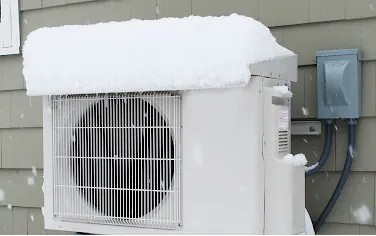
Air source heat pumps extract heat from the outside air — even when it feels very cold.
Modern systems are designed to operate in temperatures as low as -10°C to -15°C, and in many cases even lower.
However, as outdoor temperatures drop, the system has to work harder to extract heat.
This means:
Output capacity can reduce slightly
Efficiency (COP) decreases
Running times increase
👉 This is completely normal behaviour.
⚠️ Why Some Systems Struggle in Freezing Conditions
If a heat pump performs poorly in cold weather, the issue is usually not the temperature itself — but something within the system.
Common causes include:
1. Undersized System
If the heat pump has not been sized correctly for the property’s heat loss, it may struggle to maintain temperature during colder conditions.
2. High Heat Loss Property
Older or poorly insulated homes lose heat more quickly, especially in freezing weather.
If the building fabric has not been upgraded, the system may appear to underperform.
3. Flow Temperature Set Incorrectly
If flow temperatures are too low, the system may not deliver enough heat during colder conditions.
4. Poor Heat Distribution
Even if the heat pump is producing enough heat, poor circulation or radiator performance can prevent that heat from reaching the rooms.
5. Incorrect Weather Compensation Settings
If the weather compensation curve is not configured properly, the system may not increase flow temperature enough during colder conditions.
We reviewed one system that was freezing up repeatedly throughout winter — the root cause was long uninsulated pipe runs combined with a poor overall system design. All the details are in our heat pump freezing up pipework design issue case study.
🔄 Why Heat Pumps Run Longer in Winter
Unlike boilers, heat pumps are designed to run for longer periods at lower temperatures.
During freezing weather, it’s normal for the system to:
Run for extended periods
Operate more continuously
Adjust output gradually
👉 However, if the system runs constantly and still struggles to heat the home, this may indicate a performance issue.
⚡ What About Efficiency in Cold Weather?
Efficiency does reduce as outdoor temperatures drop.
This is because the temperature difference between outside air and the required flow temperature increases.
👉 Higher temperature lift = Lower efficiency
However, a well-designed system should still operate efficiently enough to maintain comfort without excessive running costs.
🧠 What Is Normal?
In freezing conditions, a properly designed system should:
Maintain indoor temperature (or be very close)
Run for longer periods
Adjust output based on demand
Occasionally use defrost cycles
👉 Small drops in indoor temperature during extreme cold can be normal
👉 Significant drops are not
🔍 When to Get It Checked
You may want to review your system if:
The house struggles to heat during typical winter conditions
The system runs constantly but temperatures still drop
Flow temperatures are high, but comfort is poor
Electricity usage increases significantly
Need Help With Your Heat Pump?
If your heat pump is struggling in colder weather, it’s usually a sign that something within the system design, setup, or configuration needs attention.
👉 If you already have a system installed, you can request a full heat pump performance review, where we assess flow temperatures, system setup, and overall performance to identify exactly what’s causing the issue.
👉 If you’re planning an installation or have been quoted a system, you can request a pre-installation design & heat loss review to ensure the system is correctly sized and designed before any work begins.
Both services provide clear, independent technical advice — no sales, no installation upsell.
Many homeowners wonder whether heat pumps can continue to operate effectively during freezing weather.
This is a common concern — especially during cold spells when temperatures drop below zero and heating demand is highest.
The short answer is:
👉 Yes, heat pumps are designed to work in freezing temperatures — but how well they perform depends on system design, setup, and the property itself.
❄️ How Heat Pumps Work in Cold Weather
Air source heat pumps extract heat from the outside air — even when it feels very cold.
Modern systems are designed to operate in temperatures as low as -10°C to -15°C, and in many cases even lower.
However, as outdoor temperatures drop, the system has to work harder to extract heat.
This means:
Output capacity can reduce slightly
Efficiency (COP) decreases
Running times increase
👉 This is completely normal behaviour.
⚠️ Why Some Systems Struggle in Freezing Conditions
If a heat pump performs poorly in cold weather, the issue is usually not the temperature itself — but something within the system.
Common causes include:
1. Undersized System
If the heat pump has not been sized correctly for the property’s heat loss, it may struggle to maintain temperature during colder conditions.
2. High Heat Loss Property
Older or poorly insulated homes lose heat more quickly, especially in freezing weather.
If the building fabric has not been upgraded, the system may appear to underperform.
3. Flow Temperature Set Incorrectly
If flow temperatures are too low, the system may not deliver enough heat during colder conditions.
4. Poor Heat Distribution
Even if the heat pump is producing enough heat, poor circulation or radiator performance can prevent that heat from reaching the rooms.
5. Incorrect Weather Compensation Settings
If the weather compensation curve is not configured properly, the system may not increase flow temperature enough during colder conditions.
We reviewed one system that was freezing up repeatedly throughout winter — the root cause was long uninsulated pipe runs combined with a poor overall system design. All the details are in our heat pump freezing up pipework design issue case study.
🔄 Why Heat Pumps Run Longer in Winter
Unlike boilers, heat pumps are designed to run for longer periods at lower temperatures.
During freezing weather, it’s normal for the system to:
Run for extended periods
Operate more continuously
Adjust output gradually
👉 However, if the system runs constantly and still struggles to heat the home, this may indicate a performance issue.
⚡ What About Efficiency in Cold Weather?
Efficiency does reduce as outdoor temperatures drop.
This is because the temperature difference between outside air and the required flow temperature increases.
👉 Higher temperature lift = Lower efficiency
However, a well-designed system should still operate efficiently enough to maintain comfort without excessive running costs.
🧠 What Is Normal?
In freezing conditions, a properly designed system should:
Maintain indoor temperature (or be very close)
Run for longer periods
Adjust output based on demand
Occasionally use defrost cycles
👉 Small drops in indoor temperature during extreme cold can be normal
👉 Significant drops are not
🔍 When to Get It Checked
You may want to review your system if:
The house struggles to heat during typical winter conditions
The system runs constantly but temperatures still drop
Flow temperatures are high, but comfort is poor
Electricity usage increases significantly
Need Help With Your Heat Pump?
If your heat pump is struggling in colder weather, it’s usually a sign that something within the system design, setup, or configuration needs attention.
👉 If you already have a system installed, you can request a full heat pump performance review, where we assess flow temperatures, system setup, and overall performance to identify exactly what’s causing the issue.
👉 If you’re planning an installation or have been quoted a system, you can request a pre-installation design & heat loss review to ensure the system is correctly sized and designed before any work begins.
Both services provide clear, independent technical advice — no sales, no installation upsell.

Sep 30, 2026
5 min read
Best Electricity Tariffs for Heat Pump Owners in the UK
Read More
Sep 30, 2026
5 min read
Best Electricity Tariffs for Heat Pump Owners in the UK
Read More

Sep 27, 2026
5 min read
Are Heat Pumps Noisy? A UK Guide to Noise Levels and What's Normal
Read More
Sep 27, 2026
5 min read
Are Heat Pumps Noisy? A UK Guide to Noise Levels and What's Normal
Read More

Contact Us
Not Sure Which Service You Need?
Not Sure Which Service You Need?
Not Sure Which Service You Need?
Not Sure Which Service You Need?
Not Sure Which Service You Need?
Whether you need help with an existing heat pump, a pre-installation review, cooling advice, servicing or a room-by-room heat loss survey, send us a few details and we'll point you in the right direction.
Whether you need help with an existing heat pump, a pre-installation review, cooling advice, servicing or a room-by-room heat loss survey, send us a few details and we'll point you in the right direction.
Whether you need help with an existing heat pump, a pre-installation review, cooling advice, servicing or a room-by-room heat loss survey, send us a few details and we'll point you in the right direction.

