Heat Pump Condensate Drainage: Best Practice Explained
Heat Pump Condensate Drainage: Best Practice Explained
Heat Pump Condensate Drainage: Best Practice Explained
Heat Pump Condensate Drainage: Best Practice Explained
Heat Pump Condensate Drainage: Best Practice Explained

UK Heat pump Help Technical Team
Independent Heat Pump Engineer
Heat Pump Condensate Drainage: Best Practice Explained
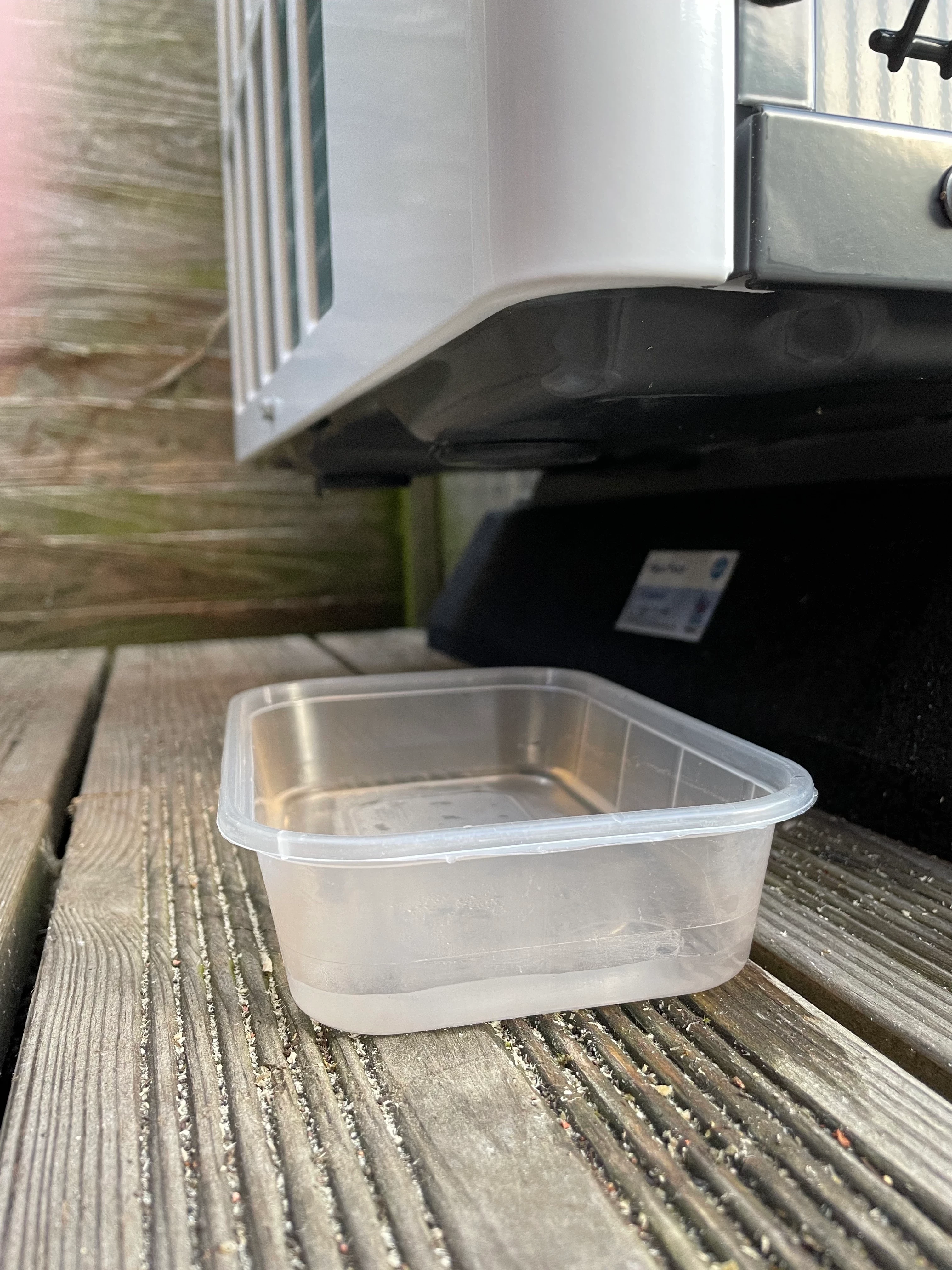
Many homeowners see water collecting around their heat pump in winter and immediately assume something has gone wrong. In most cases, it hasn’t. Water appearing beneath or around the outdoor unit is a completely normal consequence of how air source heat pumps operate in cold weather but where that water ends up afterwards is what matters, and it’s something that doesn’t always get the attention it deserves during installation.
During colder weather, moisture in the air freezes onto the outdoor coil of the heat pump. The system periodically runs a defrost cycle to melt this ice, producing water which drains away from the base of the unit. In damp UK winters this can produce a surprisingly large amount of water enough to cause real problems if the drainage hasn’t been thought about properly. If you’ve noticed your heat pump going into defrost mode regularly and want to understand why, our guide on why your heat pump isn’t reaching target temperature covers how defrost behaviour connects to overall heating performance.
The problem with condensate drainage isn’t the water itself — it’s what happens to that water when drainage hasn’t been set up correctly. In our experience reviewing heat pump systems across the UK, poor condensate drainage caused more call-backs than most homeowners or installers would expect. Frozen condensate pipework is one of the most common issues, particularly during prolonged cold spells. When the water from the defrost cycle enters external pipework, that pipework can freeze solid if it isn’t properly insulated or if it runs too long an external run before reaching a drain. Once frozen, water backs up, ice builds around the base of the unit, and in some cases the additional freezing contributed to further problems with the heat pump itself. Other issues we saw regularly included water overflowing onto patios and creating ice hazards around pathways and doors — which is both a safety issue and a source of homeowner complaints that are entirely avoidable with better installation planning.
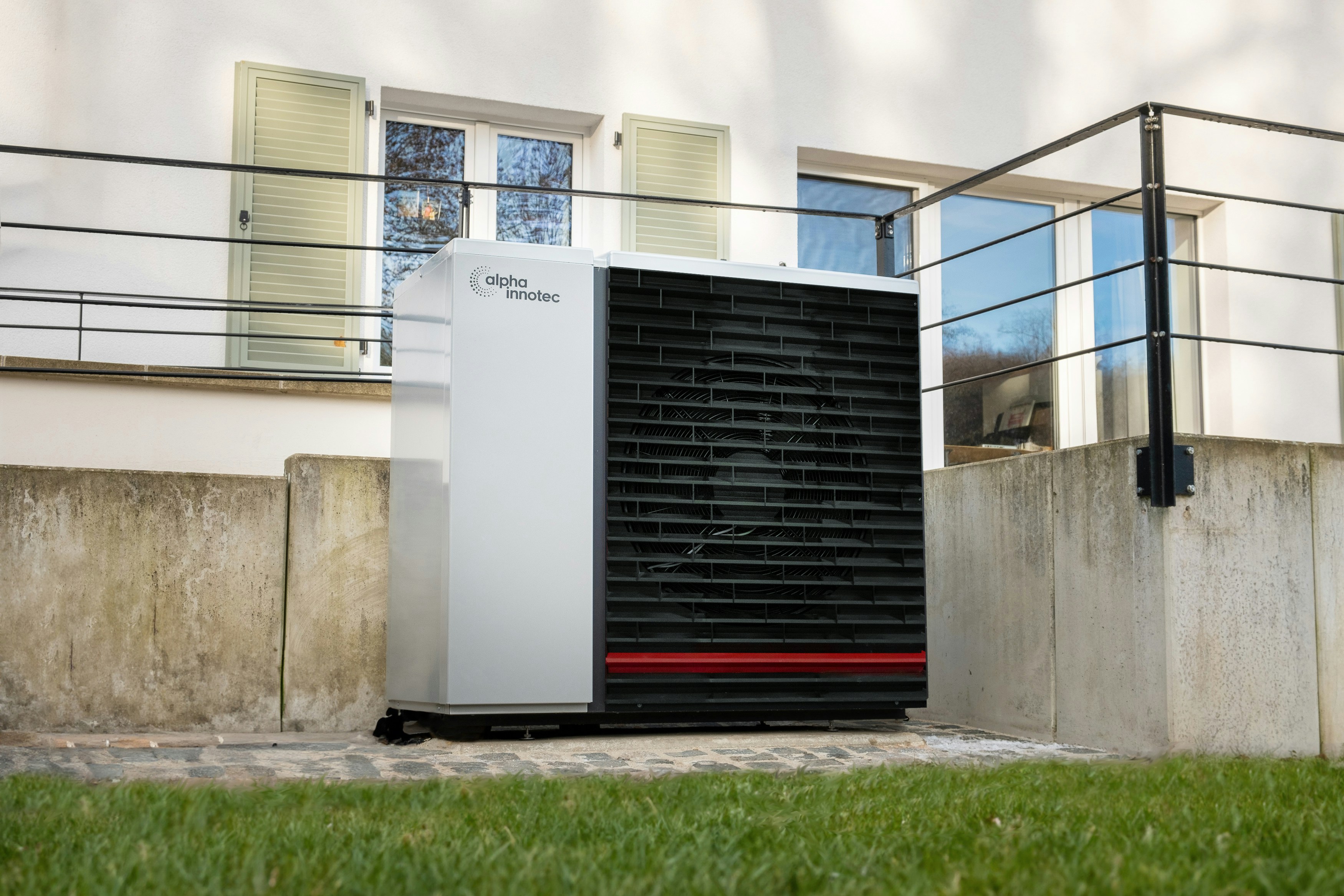
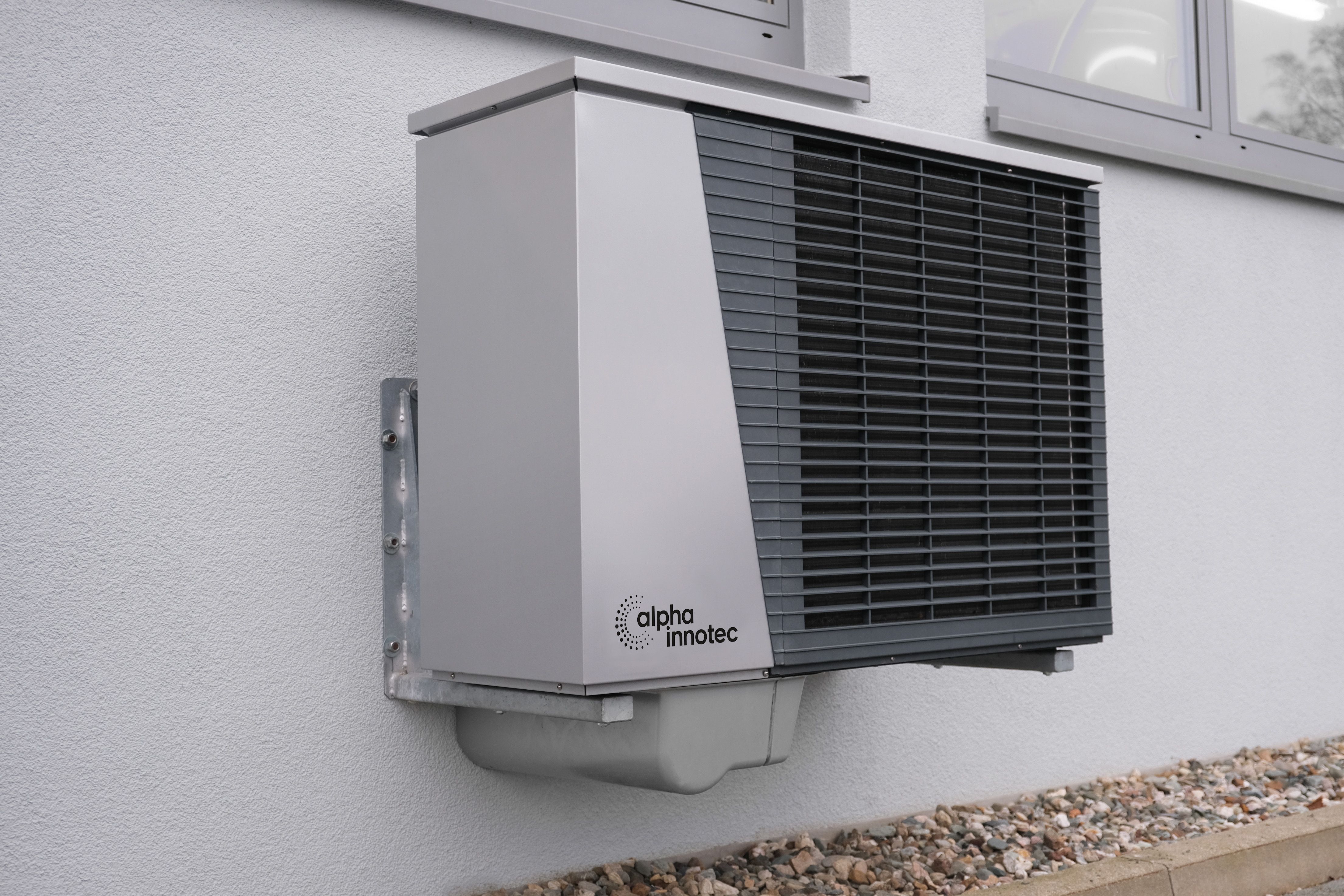
Where the installation conditions allowed it, the most reliable drainage solution we found was allowing condensate water to drain naturally into a shingle bed directly beneath the heat pump rather than routing it through external pipework. A well-prepared shingle bed absorbs the defrost water naturally, disperses it into the ground, and removes the risk of frozen pipework entirely. There are fewer components to maintain, no external pipe runs to insulate, and no risk of ice building up on a path or patio. This approach isn’t always possible depending on the installation location and ground conditions, but where it is an option it tends to be the most reliable long-term solution. When a shingle bed isn’t feasible, the next best practice is to keep external condensate pipework as short as possible, run it at a steep fall to avoid water sitting in the pipe, and insulate it thoroughly along its entire external length.
Poor drainage planning is one of several installation details that can undermine a heat pump system that otherwise looks fine on paper. We’ve reviewed a case where a heat pump was repeatedly icing up and the root cause turned out to be linked to both pipework routing and system design decisions made at installation you can read about it in our heat pump freezing and pipework system design case study. Another case that illustrates how installation decisions affect long-term performance is our Essex new build with a COP of 1.2 despite being newly installed, where several factors compounded to produce very poor efficiency from day one.
Condensate drainage is easy to overlook because it doesn’t appear in performance specifications and rarely features in installation surveys. But the consequences of getting it wrong frozen pipes, ice on walkways, water damage around the unit base, and additional strain on the system itself — are entirely preventable with a small amount of planning at the design stage. If you are planning a heat pump installation and want to make sure details like this are reviewed properly before work begins, our Pre-Installation Design and Heat Loss Review covers system design decisions including drainage, unit placement, and pipework routing. If you already have a system installed and something doesn’t feel right, our Fix My Heat Pump service can help identify whether drainage or installation design may be contributing to the problem.
Related reading: Best Heat Pump Thermostat Settings (UK Guide)
Heat Pump Condensate Drainage: Best Practice Explained
Many homeowners see water collecting around their heat pump in winter and immediately assume something has gone wrong. In most cases, it hasn’t. Water appearing beneath or around the outdoor unit is a completely normal consequence of how air source heat pumps operate in cold weather but where that water ends up afterwards is what matters, and it’s something that doesn’t always get the attention it deserves during installation.
During colder weather, moisture in the air freezes onto the outdoor coil of the heat pump. The system periodically runs a defrost cycle to melt this ice, producing water which drains away from the base of the unit. In damp UK winters this can produce a surprisingly large amount of water enough to cause real problems if the drainage hasn’t been thought about properly. If you’ve noticed your heat pump going into defrost mode regularly and want to understand why, our guide on why your heat pump isn’t reaching target temperature covers how defrost behaviour connects to overall heating performance.
The problem with condensate drainage isn’t the water itself — it’s what happens to that water when drainage hasn’t been set up correctly. In our experience reviewing heat pump systems across the UK, poor condensate drainage caused more call-backs than most homeowners or installers would expect. Frozen condensate pipework is one of the most common issues, particularly during prolonged cold spells. When the water from the defrost cycle enters external pipework, that pipework can freeze solid if it isn’t properly insulated or if it runs too long an external run before reaching a drain. Once frozen, water backs up, ice builds around the base of the unit, and in some cases the additional freezing contributed to further problems with the heat pump itself. Other issues we saw regularly included water overflowing onto patios and creating ice hazards around pathways and doors — which is both a safety issue and a source of homeowner complaints that are entirely avoidable with better installation planning.
Where the installation conditions allowed it, the most reliable drainage solution we found was allowing condensate water to drain naturally into a shingle bed directly beneath the heat pump rather than routing it through external pipework. A well-prepared shingle bed absorbs the defrost water naturally, disperses it into the ground, and removes the risk of frozen pipework entirely. There are fewer components to maintain, no external pipe runs to insulate, and no risk of ice building up on a path or patio. This approach isn’t always possible depending on the installation location and ground conditions, but where it is an option it tends to be the most reliable long-term solution. When a shingle bed isn’t feasible, the next best practice is to keep external condensate pipework as short as possible, run it at a steep fall to avoid water sitting in the pipe, and insulate it thoroughly along its entire external length.
Poor drainage planning is one of several installation details that can undermine a heat pump system that otherwise looks fine on paper. We’ve reviewed a case where a heat pump was repeatedly icing up and the root cause turned out to be linked to both pipework routing and system design decisions made at installation you can read about it in our heat pump freezing and pipework system design case study. Another case that illustrates how installation decisions affect long-term performance is our Essex new build with a COP of 1.2 despite being newly installed, where several factors compounded to produce very poor efficiency from day one.
Condensate drainage is easy to overlook because it doesn’t appear in performance specifications and rarely features in installation surveys. But the consequences of getting it wrong frozen pipes, ice on walkways, water damage around the unit base, and additional strain on the system itself — are entirely preventable with a small amount of planning at the design stage. If you are planning a heat pump installation and want to make sure details like this are reviewed properly before work begins, our Pre-Installation Design and Heat Loss Review covers system design decisions including drainage, unit placement, and pipework routing. If you already have a system installed and something doesn’t feel right, our Fix My Heat Pump service can help identify whether drainage or installation design may be contributing to the problem.
Related reading: Best Heat Pump Thermostat Settings (UK Guide)
Oct 12, 2026
5 min read
Heat Pump Holiday Settings: What to Do When You Go Away in Winter
Read More
Oct 12, 2026
5 min read
Heat Pump Holiday Settings: What to Do When You Go Away in Winter
Read More

Oct 12, 2026
5 min read
Heat Pump Pipe Insulation: What You Need, How Thick, and Where It Goes Wrong
Read More
Oct 12, 2026
5 min read
Heat Pump Pipe Insulation: What You Need, How Thick, and Where It Goes Wrong
Read More

Contact Us
Not Sure Which Service You Need?
Not Sure Which Service You Need?
Not Sure Which Service You Need?
Not Sure Which Service You Need?
Not Sure Which Service You Need?
Whether you need help with an existing heat pump, a pre-installation review, cooling advice, servicing or a room-by-room heat loss survey, send us a few details and we'll point you in the right direction.
Whether you need help with an existing heat pump, a pre-installation review, cooling advice, servicing or a room-by-room heat loss survey, send us a few details and we'll point you in the right direction.
Whether you need help with an existing heat pump, a pre-installation review, cooling advice, servicing or a room-by-room heat loss survey, send us a few details and we'll point you in the right direction.

