New Build in Essex COP 1.2 Despite New Installation
New Build in Essex COP 1.2 Despite New Installation
New Build in Essex COP 1.2 Despite New Installation
New Build in Essex COP 1.2 Despite New Installation
New Build in Essex COP 1.2 Despite New Installation

UK Heat pump Help Technical Team
Independent Heat Pump Engineer
New Build in Essex COP 1.2 Despite a Brand New Heat Pump Installation
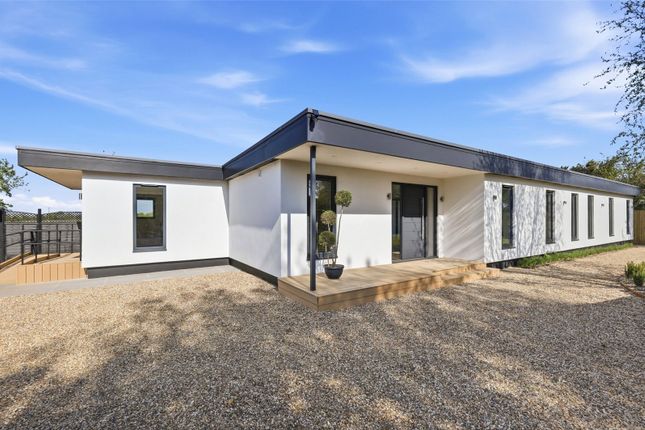
A homeowner contacted us regarding a large new-build bungalow in Essex that had been fitted with an air source heat pump and underfloor heating throughout. On paper, this was exactly the combination that should produce the best possible heat pump performance a highly insulated modern property with low heat loss and low-temperature underfloor heating perfectly matched to how heat pumps work most efficiently. In practice, the homeowner was experiencing very high electricity bills, rooms that struggled to stay warm, and a heat pump that was constantly turning on and off throughout the day. When the system performance was properly assessed, the COP was sitting at approximately 1.2 extraordinarily poor for a brand-new installation, and roughly equivalent to the efficiency of a direct electric heater. This is the kind of result that should never be possible in a well-designed new-build property with underfloor heating, and it illustrates precisely why incorrect commissioning and system setup can completely undermine even the most theoretically favourable installation conditions.
What Was Actually Happening in the System
The original installation had been designed with nine separate underfloor heating zones. Every area of the bungalow had its own thermostat and actuator, meaning loops were constantly opening and closing throughout the day as different rooms reached their individual target temperatures and their thermostats switched off. The fundamental problem this created was that the heat pump rarely had a stable, consistent heating load to work against. As rooms reached temperature and zones shut off, the volume of water flowing through the system would suddenly reduce. With less flow available, the heat pump would very quickly reach its target flow temperature and shut itself down only to restart shortly afterwards as temperatures dropped and zones reopened. This is a textbook example of the short cycling problem that destroys heat pump efficiency, and it was being driven entirely by the system design rather than anything wrong with the heat pump hardware itself.
The flow temperature had also been set far too high for an underfloor heating system. Rather than running steadily at a low temperature typically 30–40°C for underfloor circuits and allowing the screed floor to slowly absorb and store heat over long periods, the system was sending short bursts of hotter water into the floor. Because the heat pump was cycling so frequently, the warmth never properly soaked into the screed mass. The floors would briefly feel warm to the touch, but the house itself never gained the stable background heat that makes underfloor systems so comfortable and efficient when operating correctly. The screed was being asked to behave like a radiator responding quickly to short bursts of heat when its entire design purpose is to absorb heat slowly and release it steadily over time. This directly connects to the wider issue of heat pump running costs being higher than expected in new installations the hardware is fine, but the setup is fighting against how the technology is designed to work.
Compounding the problem further, there was no buffer tank or volumiser fitted anywhere in the system to provide hydraulic stability. As more zones closed simultaneously, flow rates through the active circuits would occasionally fall low enough to trigger intermittent flow errors on the heat pump controller. The unit was effectively trying to operate against a moving target all day load constantly shifting, flow constantly changing, cycling continuously and producing electricity consumption comparable to a direct electric heater as a result.
What Was Changed and Why
After a thorough investigation of the controls layout, zoning strategy, and system behaviour, the decision was made to simplify the zoning completely. The nine individual zones were consolidated down to just two main circuits: a bedroom zone covering the sleeping areas, and a living area zone covering the main living and kitchen spaces. The thermostat for the bedroom circuit was positioned in the master bedroom to provide a stable, representative temperature reading for that part of the house rather than having individual rooms shutting their zones independently. This approach sometimes called a two-zone strategy is how the vast majority of well-performing UK underfloor heat pump systems are configured, and it is what the system should have been designed as from the start. It is covered in our guide on best heat pump thermostat settings for UK homes as one of the most important controls decisions in any heat pump installation.
Once the zoning was simplified, the heat pump immediately had a far more consistent water volume and stable heating demand to work against. The flow temperature was reduced significantly and weather compensation was reconfigured properly so that the system could run at lower temperatures for longer, uninterrupted periods rather than cycling rapidly at higher temperatures. Run times extended significantly. The intermittent flow errors stopped entirely. And for the first time since installation, the screed floor was able to build up and retain heat properly absorbing warmth steadily over hours rather than reacting to brief bursts of hot water and then cooling as the heat pump shut down again.
What the Results Showed
Following the changes, the system operated in the steady, calm manner that a heat pump with underfloor heating is designed to produce. Comfort levels improved substantially as the screed began performing its intended function as a heat store rather than an immediate emitter. Electricity consumption reduced dramatically as the COP recovered to levels appropriate for a modern heat pump in a well-insulated new-build a complete transformation from the 1.2 figure recorded before the changes. The heat pump hardware itself was completely unmodified. The improvement came entirely from correcting the system design and setup that should have been right from day one.
What This Case Study Shows
New build does not mean well designed. A brand-new, highly insulated property with underfloor heating and a modern heat pump can still produce catastrophically poor performance if the system has been designed with too many zones, the flow temperature has been set incorrectly, and weather compensation has not been configured properly. The combination of over-zoning, high flow temperatures, and no hydraulic stability is one of the most common and most damaging setup errors we encounter in UK heat pump diagnostics, and it is found as often in new-build properties as in retrofits. The fact that a property is new and theoretically well-suited to a heat pump provides no protection against poor installation quality. This is exactly why checking whether your heat pump was installed and commissioned correctly matters so much particularly in the first winter after installation, when the system should be performing at its best but problems like this one become most visible.
If your heat pump is cycling constantly, your electricity bills are higher than they should be for a new installation, or your underfloor heating never quite makes the house comfortable, our Full Performance Review looks specifically at zoning strategy, flow temperatures, weather compensation, cycling behaviour, and system balancing and in most cases we can identify the root cause and recommend a clear action plan during the call itself. If you are planning a new build or renovation and want the underfloor heating zones, flow temperatures, and controls strategy designed correctly from the start, our Pre-Installation Design and Heat Loss Review covers all of this before any installation work begins.
New Build in Essex COP 1.2 Despite a Brand New Heat Pump Installation
A homeowner contacted us regarding a large new-build bungalow in Essex that had been fitted with an air source heat pump and underfloor heating throughout. On paper, this was exactly the combination that should produce the best possible heat pump performance a highly insulated modern property with low heat loss and low-temperature underfloor heating perfectly matched to how heat pumps work most efficiently. In practice, the homeowner was experiencing very high electricity bills, rooms that struggled to stay warm, and a heat pump that was constantly turning on and off throughout the day. When the system performance was properly assessed, the COP was sitting at approximately 1.2 extraordinarily poor for a brand-new installation, and roughly equivalent to the efficiency of a direct electric heater. This is the kind of result that should never be possible in a well-designed new-build property with underfloor heating, and it illustrates precisely why incorrect commissioning and system setup can completely undermine even the most theoretically favourable installation conditions.
What Was Actually Happening in the System
The original installation had been designed with nine separate underfloor heating zones. Every area of the bungalow had its own thermostat and actuator, meaning loops were constantly opening and closing throughout the day as different rooms reached their individual target temperatures and their thermostats switched off. The fundamental problem this created was that the heat pump rarely had a stable, consistent heating load to work against. As rooms reached temperature and zones shut off, the volume of water flowing through the system would suddenly reduce. With less flow available, the heat pump would very quickly reach its target flow temperature and shut itself down only to restart shortly afterwards as temperatures dropped and zones reopened. This is a textbook example of the short cycling problem that destroys heat pump efficiency, and it was being driven entirely by the system design rather than anything wrong with the heat pump hardware itself.
The flow temperature had also been set far too high for an underfloor heating system. Rather than running steadily at a low temperature typically 30–40°C for underfloor circuits and allowing the screed floor to slowly absorb and store heat over long periods, the system was sending short bursts of hotter water into the floor. Because the heat pump was cycling so frequently, the warmth never properly soaked into the screed mass. The floors would briefly feel warm to the touch, but the house itself never gained the stable background heat that makes underfloor systems so comfortable and efficient when operating correctly. The screed was being asked to behave like a radiator responding quickly to short bursts of heat when its entire design purpose is to absorb heat slowly and release it steadily over time. This directly connects to the wider issue of heat pump running costs being higher than expected in new installations the hardware is fine, but the setup is fighting against how the technology is designed to work.
Compounding the problem further, there was no buffer tank or volumiser fitted anywhere in the system to provide hydraulic stability. As more zones closed simultaneously, flow rates through the active circuits would occasionally fall low enough to trigger intermittent flow errors on the heat pump controller. The unit was effectively trying to operate against a moving target all day load constantly shifting, flow constantly changing, cycling continuously and producing electricity consumption comparable to a direct electric heater as a result.
What Was Changed and Why
After a thorough investigation of the controls layout, zoning strategy, and system behaviour, the decision was made to simplify the zoning completely. The nine individual zones were consolidated down to just two main circuits: a bedroom zone covering the sleeping areas, and a living area zone covering the main living and kitchen spaces. The thermostat for the bedroom circuit was positioned in the master bedroom to provide a stable, representative temperature reading for that part of the house rather than having individual rooms shutting their zones independently. This approach sometimes called a two-zone strategy is how the vast majority of well-performing UK underfloor heat pump systems are configured, and it is what the system should have been designed as from the start. It is covered in our guide on best heat pump thermostat settings for UK homes as one of the most important controls decisions in any heat pump installation.
Once the zoning was simplified, the heat pump immediately had a far more consistent water volume and stable heating demand to work against. The flow temperature was reduced significantly and weather compensation was reconfigured properly so that the system could run at lower temperatures for longer, uninterrupted periods rather than cycling rapidly at higher temperatures. Run times extended significantly. The intermittent flow errors stopped entirely. And for the first time since installation, the screed floor was able to build up and retain heat properly absorbing warmth steadily over hours rather than reacting to brief bursts of hot water and then cooling as the heat pump shut down again.
What the Results Showed
Following the changes, the system operated in the steady, calm manner that a heat pump with underfloor heating is designed to produce. Comfort levels improved substantially as the screed began performing its intended function as a heat store rather than an immediate emitter. Electricity consumption reduced dramatically as the COP recovered to levels appropriate for a modern heat pump in a well-insulated new-build a complete transformation from the 1.2 figure recorded before the changes. The heat pump hardware itself was completely unmodified. The improvement came entirely from correcting the system design and setup that should have been right from day one.
What This Case Study Shows
New build does not mean well designed. A brand-new, highly insulated property with underfloor heating and a modern heat pump can still produce catastrophically poor performance if the system has been designed with too many zones, the flow temperature has been set incorrectly, and weather compensation has not been configured properly. The combination of over-zoning, high flow temperatures, and no hydraulic stability is one of the most common and most damaging setup errors we encounter in UK heat pump diagnostics, and it is found as often in new-build properties as in retrofits. The fact that a property is new and theoretically well-suited to a heat pump provides no protection against poor installation quality. This is exactly why checking whether your heat pump was installed and commissioned correctly matters so much particularly in the first winter after installation, when the system should be performing at its best but problems like this one become most visible.
If your heat pump is cycling constantly, your electricity bills are higher than they should be for a new installation, or your underfloor heating never quite makes the house comfortable, our Full Performance Review looks specifically at zoning strategy, flow temperatures, weather compensation, cycling behaviour, and system balancing and in most cases we can identify the root cause and recommend a clear action plan during the call itself. If you are planning a new build or renovation and want the underfloor heating zones, flow temperatures, and controls strategy designed correctly from the start, our Pre-Installation Design and Heat Loss Review covers all of this before any installation work begins.

Contact Us
Not Sure Which Service You Need?
Not Sure Which Service You Need?
Not Sure Which Service You Need?
Not Sure Which Service You Need?
Not Sure Which Service You Need?
Whether you need help with an existing heat pump, a pre-installation review, cooling advice, servicing or a room-by-room heat loss survey, send us a few details and we'll point you in the right direction.
Whether you need help with an existing heat pump, a pre-installation review, cooling advice, servicing or a room-by-room heat loss survey, send us a few details and we'll point you in the right direction.
Whether you need help with an existing heat pump, a pre-installation review, cooling advice, servicing or a room-by-room heat loss survey, send us a few details and we'll point you in the right direction.

