Elderly Homeowner Told Her Heat Pump Was Fine – One Setting Was Stopping The House From Heating Properly
Elderly Homeowner Told Her Heat Pump Was Fine – One Setting Was Stopping The House From Heating Properly
Elderly Homeowner Told Her Heat Pump Was Fine – One Setting Was Stopping The House From Heating Properly
Elderly Homeowner Told Her Heat Pump Was Fine – One Setting Was Stopping The House From Heating Properly
Elderly Homeowner Told Her Heat Pump Was Fine – One Setting Was Stopping The House From Heating Properly

UK Heat pump Help Technical Team
Independent Heat Pump Engineer
An elderly homeowner contacted us after becoming increasingly frustrated with her heat pump installation. The installation company had visited the property multiple times, carried out various checks, and made adjustments on each occasion but despite all of this, the house still wasn't heating properly. The system showed no fault codes, appeared to be running normally, and yet the property never reached a comfortable temperature.
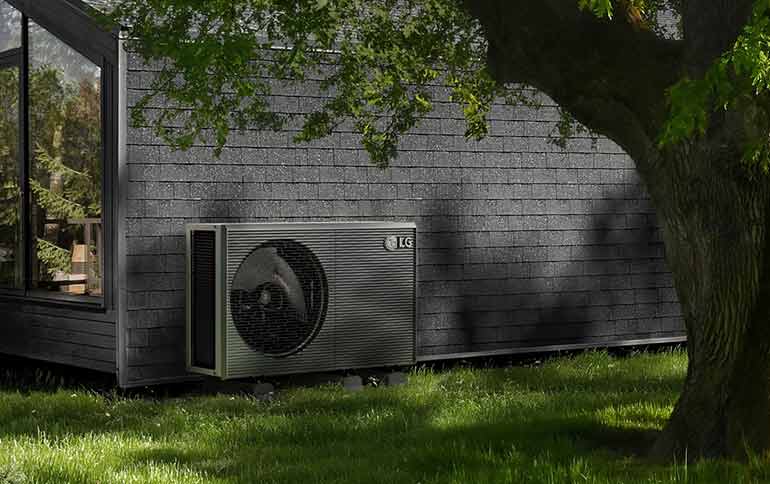
The system itself was well specified. There was an LG air source heat pump, underfloor heating downstairs, upgraded radiators upstairs, and a fixed flow temperature of 55°C higher than we would normally recommend from an efficiency standpoint, but high enough that it should have made heating easier rather than harder. The thermostat was positioned near a slightly draughty front door, which would have encouraged the system to run more rather than less. On paper, there was no obvious reason why the property was struggling. Our guide on why your heat pump isn't reaching target temperature explains the range of causes we work through when a well-specified system still can't hold temperature.
What made this case particularly difficult was that the problem was completely invisible to anyone looking at the standard homeowner controls. On the surface, Quiet Mode did not appear to be active. The original installation engineers had attended multiple times and, based on what we found, it is genuinely understandable why the setting was missed because on this particular LG controller, the Quiet Mode schedule is buried within the installer-level settings rather than the standard homeowner menu. Unless you specifically navigate into those installer parameters and check the programmed operating times, the heat pump appears completely normal from the outside. There was no indication on the main screen that anything was restricting output.
After working deeper into the installer menus, we discovered a programmed schedule that was restricting the heat pump's output from the evening through until around 10am every morning. This meant that during the period when the property needed the heat pump most early morning, recovering from an overnight temperature drop the system was operating at reduced capacity. The underfloor heating downstairs would absorb much of the limited available energy first. Then, as hot water demand came in during the morning, the heat pump would divert its already restricted output towards reheating the cylinder. The result was a house that always felt like it was chasing the target temperature without ever quite catching it. This pattern is very similar to what we see when hot water scheduling conflicts with space heating demand a scenario covered in our Family Home in Cheshire case study where scheduling issues created an almost identical feeling of the system perpetually falling behind.
The fix was straightforward once the cause was identified. We disabled the Quiet Mode schedule and allowed the heat pump to operate normally across the full day. No equipment was replaced, no modifications were made to the radiators or underfloor heating, and no engineer visit was required. Two days after the change, the homeowner contacted us to say the difference was remarkable the property was reaching temperature properly and the house finally felt warm and comfortable for the first time since installation.
This case is a clear illustration of why controls and settings need to be reviewed as carefully as hardware when a system is underperforming. A heat pump can be perfectly designed, correctly sized, and properly installed and still fail to heat a house adequately if a single controller setting is restricting its operation in a way that isn't visible to a standard inspection. It also demonstrates why repeat visits from the original installer don't always resolve the issue not through any fault of theirs, but because certain settings are simply not accessible or visible without navigating into the deeper layers of the controller. Understanding what your heat pump's settings are actually doing is just as important as the physical system design. Our article on how to set a heat pump for maximum efficiency covers the key settings that make the biggest real-world difference to performance, and our article on what weather compensation actually does explains why control configuration is so central to how a heat pump actually performs day to day.
A closely related case where a hidden controller conflict caused an entirely unpredictable heating pattern can be read in our Why This Heat Pump Seemed to Have a Mind of Its Own case study, and for a more extreme example of how property-level issues interact with heat pump performance, see our Why This £1.5 Million Home Still Felt Cold With a Heat Pump case study.
If your heat pump isn't performing as expected and you've already had the installer back without a resolution, our Fix My Heat Pump service looks at controls, settings, scheduling, and system design independently to identify what is actually happening. If you are planning an installation and want to make sure the system is set up correctly from day one, our Pre-Installation Design and Heat Loss Review can help prevent these issues before they start.
An elderly homeowner contacted us after becoming increasingly frustrated with her heat pump installation. The installation company had visited the property multiple times, carried out various checks, and made adjustments on each occasion but despite all of this, the house still wasn't heating properly. The system showed no fault codes, appeared to be running normally, and yet the property never reached a comfortable temperature.
The system itself was well specified. There was an LG air source heat pump, underfloor heating downstairs, upgraded radiators upstairs, and a fixed flow temperature of 55°C higher than we would normally recommend from an efficiency standpoint, but high enough that it should have made heating easier rather than harder. The thermostat was positioned near a slightly draughty front door, which would have encouraged the system to run more rather than less. On paper, there was no obvious reason why the property was struggling. Our guide on why your heat pump isn't reaching target temperature explains the range of causes we work through when a well-specified system still can't hold temperature.
What made this case particularly difficult was that the problem was completely invisible to anyone looking at the standard homeowner controls. On the surface, Quiet Mode did not appear to be active. The original installation engineers had attended multiple times and, based on what we found, it is genuinely understandable why the setting was missed because on this particular LG controller, the Quiet Mode schedule is buried within the installer-level settings rather than the standard homeowner menu. Unless you specifically navigate into those installer parameters and check the programmed operating times, the heat pump appears completely normal from the outside. There was no indication on the main screen that anything was restricting output.
After working deeper into the installer menus, we discovered a programmed schedule that was restricting the heat pump's output from the evening through until around 10am every morning. This meant that during the period when the property needed the heat pump most early morning, recovering from an overnight temperature drop the system was operating at reduced capacity. The underfloor heating downstairs would absorb much of the limited available energy first. Then, as hot water demand came in during the morning, the heat pump would divert its already restricted output towards reheating the cylinder. The result was a house that always felt like it was chasing the target temperature without ever quite catching it. This pattern is very similar to what we see when hot water scheduling conflicts with space heating demand a scenario covered in our Family Home in Cheshire case study where scheduling issues created an almost identical feeling of the system perpetually falling behind.
The fix was straightforward once the cause was identified. We disabled the Quiet Mode schedule and allowed the heat pump to operate normally across the full day. No equipment was replaced, no modifications were made to the radiators or underfloor heating, and no engineer visit was required. Two days after the change, the homeowner contacted us to say the difference was remarkable the property was reaching temperature properly and the house finally felt warm and comfortable for the first time since installation.
This case is a clear illustration of why controls and settings need to be reviewed as carefully as hardware when a system is underperforming. A heat pump can be perfectly designed, correctly sized, and properly installed and still fail to heat a house adequately if a single controller setting is restricting its operation in a way that isn't visible to a standard inspection. It also demonstrates why repeat visits from the original installer don't always resolve the issue not through any fault of theirs, but because certain settings are simply not accessible or visible without navigating into the deeper layers of the controller. Understanding what your heat pump's settings are actually doing is just as important as the physical system design. Our article on how to set a heat pump for maximum efficiency covers the key settings that make the biggest real-world difference to performance, and our article on what weather compensation actually does explains why control configuration is so central to how a heat pump actually performs day to day.
A closely related case where a hidden controller conflict caused an entirely unpredictable heating pattern can be read in our Why This Heat Pump Seemed to Have a Mind of Its Own case study, and for a more extreme example of how property-level issues interact with heat pump performance, see our Why This £1.5 Million Home Still Felt Cold With a Heat Pump case study.
If your heat pump isn't performing as expected and you've already had the installer back without a resolution, our Fix My Heat Pump service looks at controls, settings, scheduling, and system design independently to identify what is actually happening. If you are planning an installation and want to make sure the system is set up correctly from day one, our Pre-Installation Design and Heat Loss Review can help prevent these issues before they start.

Contact Us
Not Sure Which Service You Need?
Not Sure Which Service You Need?
Not Sure Which Service You Need?
Not Sure Which Service You Need?
Not Sure Which Service You Need?
Whether you need help with an existing heat pump, a pre-installation review, cooling advice, servicing or a room-by-room heat loss survey, send us a few details and we'll point you in the right direction.
Whether you need help with an existing heat pump, a pre-installation review, cooling advice, servicing or a room-by-room heat loss survey, send us a few details and we'll point you in the right direction.
Whether you need help with an existing heat pump, a pre-installation review, cooling advice, servicing or a room-by-room heat loss survey, send us a few details and we'll point you in the right direction.

