Why This Heat Pump Seemed to Have a “Mind of Its Own”
Why This Heat Pump Seemed to Have a “Mind of Its Own”
Why This Heat Pump Seemed to Have a “Mind of Its Own”
Why This Heat Pump Seemed to Have a “Mind of Its Own”
Why This Heat Pump Seemed to Have a “Mind of Its Own”

UK Heat pump Help Technical Team
Independent Heat Pump Engineer
Why This Heat Pump Seemed to Have a "Mind of Its Own"
A homeowner contacted us after becoming increasingly frustrated with a heat pump that appeared to behave completely randomly. The heating would come on unexpectedly, switch off at strange times, and never quite operate the way they intended despite the homeowner constantly adjusting the thermostats around the house. The system felt unpredictable and difficult to control, and no amount of tinkering with the settings seemed to make a lasting difference. The homeowner had begun to assume the heat pump itself was faulty.
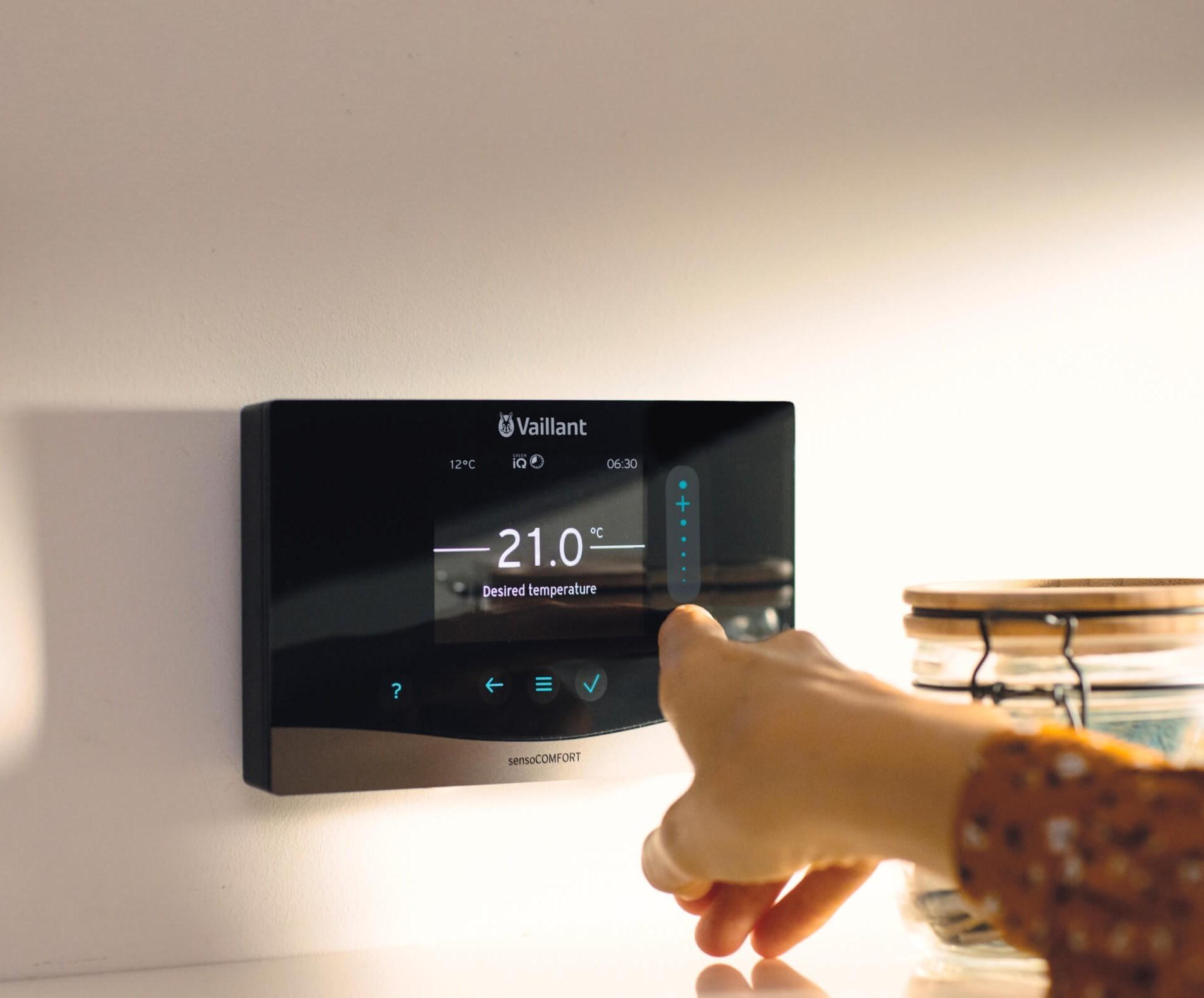
After a short initial conversation, we arranged a video call and asked the homeowner to show us the main Vaillant controller. The issue became clear almost immediately. The heat pump was operating on a timer schedule set within the main Vaillant controller, while separate third-party thermostats installed around the property were simultaneously trying to control heating times and temperatures independently. Effectively, the controls were fighting one another the system was receiving conflicting instructions and had no clear priority to follow. This is precisely the kind of problem our heat pump diagnostic support service is designed to identify and resolve, often in a single call without any engineer visit being required.
This situation is very common on UK heat pump systems, and it is one of the most frustrating problems a homeowner can face because it looks like a hardware fault when it is actually a controls configuration issue. Many homeowners are left after installation with multiple overlapping layers of control a manufacturer controller, zone thermostats, and sometimes smart home devices as well but nobody properly explains which control takes priority, how they are designed to interact, or what happens when they conflict. As a result, the heat pump receives mixed signals continuously, leading to inconsistent heating, unnecessary cycling, poor comfort levels, and often higher running costs than expected. This is something we regularly see on systems where the original commissioning and homeowner handover was not completed properly a problem that is far more widespread than the industry acknowledges, and one that directly feeds the frustration many UK homeowners feel with their systems.
During the video call, we guided the homeowner through the controller settings step by step and reconfigured the system so that all controls worked together correctly with the Vaillant controller as the primary scheduling device and the room thermostats operating within that framework rather than against it. We also helped configure the hot water schedule to run during the homeowner's off-peak electricity periods, which reduces running costs without any change to comfort or hot water availability. Incorrect timer and thermostat settings are one of the most overlooked reasons why a heat pump uses so much electricity, and correcting them is often the single most impactful thing that can be done without any physical work on the system at all.
We also configured the weather compensation settings correctly during the same call. Weather compensation is one of the most important and most frequently misconfigured features on a modern heat pump system. It is very often left disabled or set incorrectly after installation, either because the installer did not complete the setup or because the homeowner was not told it existed. When configured properly, heat pump weather compensation allows the system to automatically reduce flow temperatures as outdoor conditions warm up, and increase them as temperatures drop improving both comfort and efficiency continuously without the homeowner needing to make any manual adjustments. It is one of the most powerful tools available for reducing heat pump running costs over a full heating season, and getting it right is a core part of every review we carry out. Poorly set weather compensation is also directly linked to heat pump radiators feeling only lukewarm another symptom that often accompanies the kind of controls conflict this homeowner was experiencing.
After the call, we sent the homeowner a clear set of written instructions showing exactly how the system had been configured, which settings should and should not be adjusted going forward, and what to do if they needed to change the heating or hot water schedules in future. We always try to keep these as straightforward as possible. Ongoing support including a follow-up call if anything feels unclear after the session is included as part of the service.
What This Case Study Shows
Many heat pump problems are not caused by faulty equipment. In a significant number of cases the issue is simply that the controls were not set up correctly during installation, or the homeowner was never properly shown how the system is intended to operate. Modern heat pump systems including Vaillant, Mitsubishi, Daikin, and Samsung can perform extremely well, but only when the controller, room thermostats, timers, and weather compensation settings are all working together in the way they were designed to. When they are not, the system appears broken or unpredictable even when the hardware is functioning perfectly. Reviewing your heat pump thermostat and timer settings is often the fastest route to resolving comfort and running cost problems without any physical work. It is also worth checking whether your heat pump was properly installed and commissioned in the first place controls conflicts of this type are frequently a sign that the handover stage was skipped or completed inadequately.
If your heat pump feels difficult to control, heats at unexpected times, or never behaves consistently, our Full Performance Review can identify whether the issue lies with the controls, the setup, or the system itself and in most cases we resolve it on the same call. If you are planning a new installation and want the controls, weather compensation, and homeowner handover all planned correctly from the start, our Pre-Installation Design and Heat Loss Review ensures nothing is left to chance before work begins.
Why This Heat Pump Seemed to Have a "Mind of Its Own"
A homeowner contacted us after becoming increasingly frustrated with a heat pump that appeared to behave completely randomly. The heating would come on unexpectedly, switch off at strange times, and never quite operate the way they intended despite the homeowner constantly adjusting the thermostats around the house. The system felt unpredictable and difficult to control, and no amount of tinkering with the settings seemed to make a lasting difference. The homeowner had begun to assume the heat pump itself was faulty.
After a short initial conversation, we arranged a video call and asked the homeowner to show us the main Vaillant controller. The issue became clear almost immediately. The heat pump was operating on a timer schedule set within the main Vaillant controller, while separate third-party thermostats installed around the property were simultaneously trying to control heating times and temperatures independently. Effectively, the controls were fighting one another the system was receiving conflicting instructions and had no clear priority to follow. This is precisely the kind of problem our heat pump diagnostic support service is designed to identify and resolve, often in a single call without any engineer visit being required.
This situation is very common on UK heat pump systems, and it is one of the most frustrating problems a homeowner can face because it looks like a hardware fault when it is actually a controls configuration issue. Many homeowners are left after installation with multiple overlapping layers of control a manufacturer controller, zone thermostats, and sometimes smart home devices as well but nobody properly explains which control takes priority, how they are designed to interact, or what happens when they conflict. As a result, the heat pump receives mixed signals continuously, leading to inconsistent heating, unnecessary cycling, poor comfort levels, and often higher running costs than expected. This is something we regularly see on systems where the original commissioning and homeowner handover was not completed properly a problem that is far more widespread than the industry acknowledges, and one that directly feeds the frustration many UK homeowners feel with their systems.
During the video call, we guided the homeowner through the controller settings step by step and reconfigured the system so that all controls worked together correctly with the Vaillant controller as the primary scheduling device and the room thermostats operating within that framework rather than against it. We also helped configure the hot water schedule to run during the homeowner's off-peak electricity periods, which reduces running costs without any change to comfort or hot water availability. Incorrect timer and thermostat settings are one of the most overlooked reasons why a heat pump uses so much electricity, and correcting them is often the single most impactful thing that can be done without any physical work on the system at all.
We also configured the weather compensation settings correctly during the same call. Weather compensation is one of the most important and most frequently misconfigured features on a modern heat pump system. It is very often left disabled or set incorrectly after installation, either because the installer did not complete the setup or because the homeowner was not told it existed. When configured properly, heat pump weather compensation allows the system to automatically reduce flow temperatures as outdoor conditions warm up, and increase them as temperatures drop improving both comfort and efficiency continuously without the homeowner needing to make any manual adjustments. It is one of the most powerful tools available for reducing heat pump running costs over a full heating season, and getting it right is a core part of every review we carry out. Poorly set weather compensation is also directly linked to heat pump radiators feeling only lukewarm another symptom that often accompanies the kind of controls conflict this homeowner was experiencing.
After the call, we sent the homeowner a clear set of written instructions showing exactly how the system had been configured, which settings should and should not be adjusted going forward, and what to do if they needed to change the heating or hot water schedules in future. We always try to keep these as straightforward as possible. Ongoing support including a follow-up call if anything feels unclear after the session is included as part of the service.
What This Case Study Shows
Many heat pump problems are not caused by faulty equipment. In a significant number of cases the issue is simply that the controls were not set up correctly during installation, or the homeowner was never properly shown how the system is intended to operate. Modern heat pump systems including Vaillant, Mitsubishi, Daikin, and Samsung can perform extremely well, but only when the controller, room thermostats, timers, and weather compensation settings are all working together in the way they were designed to. When they are not, the system appears broken or unpredictable even when the hardware is functioning perfectly. Reviewing your heat pump thermostat and timer settings is often the fastest route to resolving comfort and running cost problems without any physical work. It is also worth checking whether your heat pump was properly installed and commissioned in the first place controls conflicts of this type are frequently a sign that the handover stage was skipped or completed inadequately.
If your heat pump feels difficult to control, heats at unexpected times, or never behaves consistently, our Full Performance Review can identify whether the issue lies with the controls, the setup, or the system itself and in most cases we resolve it on the same call. If you are planning a new installation and want the controls, weather compensation, and homeowner handover all planned correctly from the start, our Pre-Installation Design and Heat Loss Review ensures nothing is left to chance before work begins.

Contact Us
Not Sure Which Service You Need?
Not Sure Which Service You Need?
Not Sure Which Service You Need?
Not Sure Which Service You Need?
Not Sure Which Service You Need?
Whether you need help with an existing heat pump, a pre-installation review, cooling advice, servicing or a room-by-room heat loss survey, send us a few details and we'll point you in the right direction.
Whether you need help with an existing heat pump, a pre-installation review, cooling advice, servicing or a room-by-room heat loss survey, send us a few details and we'll point you in the right direction.
Whether you need help with an existing heat pump, a pre-installation review, cooling advice, servicing or a room-by-room heat loss survey, send us a few details and we'll point you in the right direction.

