Why Does My Heat Pump Keep Turning Off?
Why Does My Heat Pump Keep Turning Off?
Why Does My Heat Pump Keep Turning Off?
Why Does My Heat Pump Keep Turning Off?
Why Does My Heat Pump Keep Turning Off?

UK Heat pump Help Technical Team
Independent Heat Pump Engineer
Is Your Heat Pump Actually Turning Off?
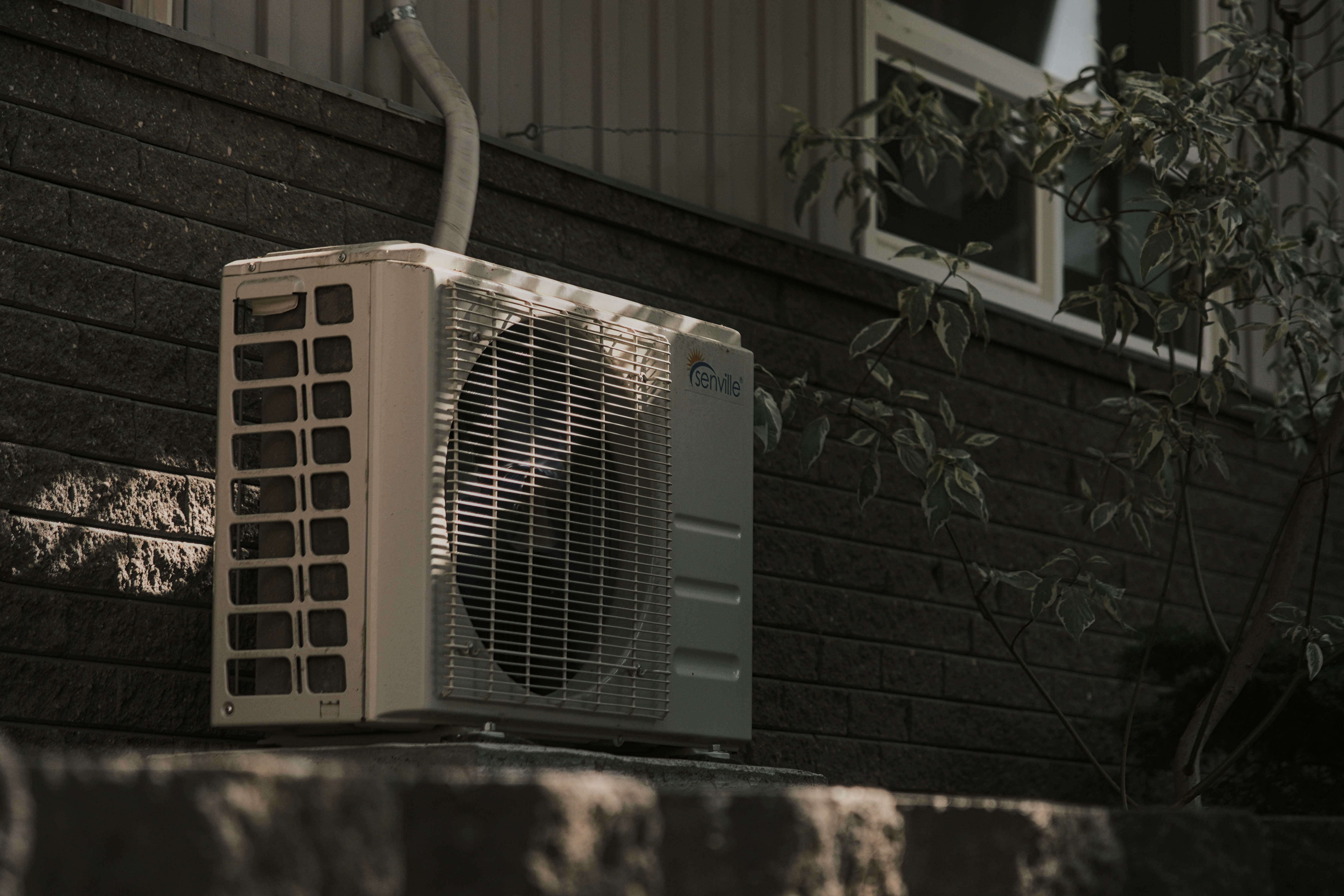
The most common concern we hear from UK heat pump owners goes like this: the outdoor unit keeps pausing, the fan stops and starts, and something feels off. The electricity draw drops on the smart meter. The house might be warm enough, or it might not be.
Whether this is a problem depends entirely on what is actually happening inside the system. What looks like a heat pump turning off can mean several very different things, and identifying the right one is the starting point for knowing whether you need to act.
The most important thing to understand before drawing any conclusions is what normal heat pump operation actually looks like.
“My heat pump keeps turning on and off.”
Not always.
This guide explains how to distinguish between a heat pump that is modulating normally, one that is cycling more than it should, and one with a genuine fault requiring investigation. Each has a different pattern, a different cause, and a different solution.
What Does Normal Heat Pump Operation Look Like?
A domestic heat pump is not designed to work like a gas boiler. It does not fire up at full power, heat the house in a short burst, and shut off for an extended period. The design works in the opposite direction: a heat pump performs best when it runs steadily at lower temperatures for longer periods, adjusting its output as conditions change.
Most modern air source heat pumps use inverter-driven compressors, meaning the compressor speed varies continuously rather than simply switching on or off at full power. Output scales up and down based on:
The outdoor air temperature and how much heat the building needs to offset losses
The current heating demand across radiators or underfloor circuits
The hot water demand if the cylinder needs heating at the same time
The current flow temperature target as set by the weather compensation curve
How readily the heating circuit is absorbing the heat being produced
Because output is constantly adjusting, what you observe from the outside changes throughout the day:
The outdoor fan running at different speeds at different points in the day
Electricity consumption rising and falling as output adjusts to match current demand
Brief pauses on mild days when heating demand temporarily drops below the heat pump’s minimum output level
Flow temperatures varying through the day as the weather compensation curve tracks outdoor conditions
Defrost cycles during colder weather.
None of these behaviours indicate a fault. They are the system responding to changing conditions in real time.
Should The Fan Run Continuously?
On a cold January day, the fan may run almost continuously for several hours. On a mild October afternoon, it might pause for five to ten minute intervals. Both are completely normal.
Inverter heat pumps have a minimum compressor speed below which they cannot reduce further. When heating demand falls below that point — on a warm day, in a well-insulated house, or when a room thermostat is satisfied — the only option is to stop briefly, allow the temperature to drop slightly, and then restart. This is called thermostatic cycling and it is an intentional design behaviour.
Thermostatic cycling is not the same as problematic short cycling. In thermostatic cycling, the system runs a normal-length cycle, the house reaches the right temperature, and there is a natural pause before it is needed again. In problematic short cycling, the heat pump repeatedly fails to complete a meaningful run.
The practical test: if the heat pump runs for 20 minutes or more before pausing, it is almost certainly modulating correctly. If it consistently stops within 5 to 15 minutes and restarts shortly after without the house feeling any warmer, that is a pattern worth investigating.
On mild days, the reduced-output behaviour typically looks like:
Low or slow fan speeds rather than the full-speed operation you see on cold days
The fan pausing for periods of several minutes before restarting
Lower electricity consumption as the system produces less output
All of this is expected and correct.
The fan is a poor diagnostic tool on its own. What matters more is how long the heat pump runs before each stop and what the temperatures are doing during those runs.
What Should The Temperatures Be Doing?
The most reliable way to assess whether your heat pump is cycling correctly is to look at the flow and return temperatures on the controller display or in the manufacturer app, if your system supports remote monitoring.
A healthy heating cycle shows a recognisable pattern:
Flow temperature rises gradually over 15 to 40 minutes toward the weather-compensation target, not in a sudden spike
Return temperature follows behind flow, typically 3 to 8 degrees lower, which shows heat is transferring into the circuit
Once steady state is reached, both temperatures hold relatively stable for long run periods
The house gradually absorbs the heat being produced.
The pattern that points to a short cycling problem looks distinctly different:
Flow temperature climbs rapidly to 55°C or above within the first five to ten minutes of the cycle starting
The compressor then stops quickly, before significant heat has transferred into the radiators and rooms
The cycle restarts within a few minutes and repeats the same rapid rise-and-stop pattern
That rapid temperature spike followed by a fast stop is the clearest indicator of short cycling. It tells you the heat pump is producing heat faster than the system can absorb it, which is always a system-level issue rather than a heat pump fault.
What Does Genuine Cycling Look Like?
When a heat pump is genuinely short cycling, the pattern is consistent and unmistakable. It does not vary with outdoor temperature or time of day in the way that normal modulation does.
A typical problematic short cycling sequence runs like this:
The compressor starts and flow temperature begins to rise
Flow temperature reaches the target within 5 to 15 minutes, far faster than normal
The compressor stops before meaningful heat has transferred into the rooms
The flow temperature drops, the demand remains, and the cycle restarts within minutes
The house does not feel noticeably warmer between cycles despite constant activity
The compressor starts again.
The process repeats throughout the day.
The critical indicator is run time. A heat pump that cannot sustain a run of 20 minutes or more, and that repeats this rapid rise-and-stop cycle continuously, has a system condition that is preventing sustained operation. The five causes below cover the vast majority of cases.
Common Causes Of Excessive Cycling
The Heat Pump Is Oversized
An oversized heat pump delivers heat faster than the circuit and the building can absorb it. Even in a well-insulated property with properly sized radiators, a heat pump that significantly exceeds the actual heat demand will reach its flow temperature target too quickly, stop, and restart in a repeat pattern. The problem is not the heat pump unit itself but the mismatch between its output capacity and the system’s ability to absorb it. Our article on what happens when a heat pump is oversized covers this in detail and explains what the options are.
Too Many Radiators Are Closed
Heat pumps need a minimum water flow rate through the circuit to operate within their designed parameters. When too many thermostatic radiator valves close simultaneously, total flow through the primary circuit drops. If it falls far enough, the heat pump’s internal temperature rises too quickly, triggering a stop before meaningful heat has transferred to the rooms.
The issue is not TRVs themselves but using them without leaving sufficient open circuit for the heat pump to push flow through. Gas boilers tolerate highly restricted circuits because they run hot; heat pumps operating at lower temperatures cannot compensate in the same way. Our article on what happens when too many TRVs are turned down at once explains the minimum circuit requirements and the right way to configure TRVs alongside a heat pump.
Low Water Volume
A circuit without enough total water volume heats up too quickly because there is insufficient thermal mass to absorb the heat the compressor is producing. Flow temperature spikes, the high-temperature protection stops the unit, and the cycle restarts without useful heat making it into the rooms. The fix may be as simple as ensuring more radiators are open, or it may require adding system volume. Our guide on whether heat pumps need buffer tanks explains when adding water volume genuinely helps and when it is not the right solution.
Poor Balancing
In an unbalanced system, flow concentrates through the radiators closest to the heat pump while those further away receive insufficient flow. The nearby radiators heat up quickly, the thermostat registers the local temperature and stops the system, while the rest of the property remains underheated. Cycling becomes rapid and the house is never uniformly warm. Our article on heat pump system balancing
Incorrect Control Settings
Conflicting thermostats, schedules or weather compensation settings can also contribute to unnecessary cycling.
When Should You Be Concerned?
You may wish to investigate further if:
The compressor appears to be stopping every few minutes.
The flow temperature rises very rapidly.
The house struggles to stay warm.
Electricity consumption is unusually high.
Fault codes begin appearing.
In many cases, the heat pump itself is not faulty. The issue is often related to system design, controls or heat distribution.
Thinking About Installing A Heat Pump?
Many cycling issues can be avoided before installation through correct heat loss calculations, appropriate heat pump sizing and good system design.
Our Pre-Installation Design Review helps homeowners assess proposed systems before installation begins, helping identify potential issues before they become expensive problems.
Need Help Understanding How Your Heat Pump Is Operating?
If you’re unsure whether your heat pump is operating normally or suffering from excessive cycling, our Fix My Heat Pump service can help.
We’ll review your system settings, temperatures, controls and operating behaviour to help identify whether there is actually a problem and, if there is, what is causing it.
Related reading: What Happens If Too Many TRVs Are Turned Off? · Why Does My Heat Pump Keep Turning On and Off?
Is Your Heat Pump Actually Turning Off?
The most common concern we hear from UK heat pump owners goes like this: the outdoor unit keeps pausing, the fan stops and starts, and something feels off. The electricity draw drops on the smart meter. The house might be warm enough, or it might not be.
Whether this is a problem depends entirely on what is actually happening inside the system. What looks like a heat pump turning off can mean several very different things, and identifying the right one is the starting point for knowing whether you need to act.
The most important thing to understand before drawing any conclusions is what normal heat pump operation actually looks like.
“My heat pump keeps turning on and off.”
Not always.
This guide explains how to distinguish between a heat pump that is modulating normally, one that is cycling more than it should, and one with a genuine fault requiring investigation. Each has a different pattern, a different cause, and a different solution.
What Does Normal Heat Pump Operation Look Like?
A domestic heat pump is not designed to work like a gas boiler. It does not fire up at full power, heat the house in a short burst, and shut off for an extended period. The design works in the opposite direction: a heat pump performs best when it runs steadily at lower temperatures for longer periods, adjusting its output as conditions change.
Most modern air source heat pumps use inverter-driven compressors, meaning the compressor speed varies continuously rather than simply switching on or off at full power. Output scales up and down based on:
The outdoor air temperature and how much heat the building needs to offset losses
The current heating demand across radiators or underfloor circuits
The hot water demand if the cylinder needs heating at the same time
The current flow temperature target as set by the weather compensation curve
How readily the heating circuit is absorbing the heat being produced
Because output is constantly adjusting, what you observe from the outside changes throughout the day:
The outdoor fan running at different speeds at different points in the day
Electricity consumption rising and falling as output adjusts to match current demand
Brief pauses on mild days when heating demand temporarily drops below the heat pump’s minimum output level
Flow temperatures varying through the day as the weather compensation curve tracks outdoor conditions
Defrost cycles during colder weather.
None of these behaviours indicate a fault. They are the system responding to changing conditions in real time.
Should The Fan Run Continuously?
On a cold January day, the fan may run almost continuously for several hours. On a mild October afternoon, it might pause for five to ten minute intervals. Both are completely normal.
Inverter heat pumps have a minimum compressor speed below which they cannot reduce further. When heating demand falls below that point — on a warm day, in a well-insulated house, or when a room thermostat is satisfied — the only option is to stop briefly, allow the temperature to drop slightly, and then restart. This is called thermostatic cycling and it is an intentional design behaviour.
Thermostatic cycling is not the same as problematic short cycling. In thermostatic cycling, the system runs a normal-length cycle, the house reaches the right temperature, and there is a natural pause before it is needed again. In problematic short cycling, the heat pump repeatedly fails to complete a meaningful run.
The practical test: if the heat pump runs for 20 minutes or more before pausing, it is almost certainly modulating correctly. If it consistently stops within 5 to 15 minutes and restarts shortly after without the house feeling any warmer, that is a pattern worth investigating.
On mild days, the reduced-output behaviour typically looks like:
Low or slow fan speeds rather than the full-speed operation you see on cold days
The fan pausing for periods of several minutes before restarting
Lower electricity consumption as the system produces less output
All of this is expected and correct.
The fan is a poor diagnostic tool on its own. What matters more is how long the heat pump runs before each stop and what the temperatures are doing during those runs.
What Should The Temperatures Be Doing?
The most reliable way to assess whether your heat pump is cycling correctly is to look at the flow and return temperatures on the controller display or in the manufacturer app, if your system supports remote monitoring.
A healthy heating cycle shows a recognisable pattern:
Flow temperature rises gradually over 15 to 40 minutes toward the weather-compensation target, not in a sudden spike
Return temperature follows behind flow, typically 3 to 8 degrees lower, which shows heat is transferring into the circuit
Once steady state is reached, both temperatures hold relatively stable for long run periods
The house gradually absorbs the heat being produced.
The pattern that points to a short cycling problem looks distinctly different:
Flow temperature climbs rapidly to 55°C or above within the first five to ten minutes of the cycle starting
The compressor then stops quickly, before significant heat has transferred into the radiators and rooms
The cycle restarts within a few minutes and repeats the same rapid rise-and-stop pattern
That rapid temperature spike followed by a fast stop is the clearest indicator of short cycling. It tells you the heat pump is producing heat faster than the system can absorb it, which is always a system-level issue rather than a heat pump fault.
What Does Genuine Cycling Look Like?
When a heat pump is genuinely short cycling, the pattern is consistent and unmistakable. It does not vary with outdoor temperature or time of day in the way that normal modulation does.
A typical problematic short cycling sequence runs like this:
The compressor starts and flow temperature begins to rise
Flow temperature reaches the target within 5 to 15 minutes, far faster than normal
The compressor stops before meaningful heat has transferred into the rooms
The flow temperature drops, the demand remains, and the cycle restarts within minutes
The house does not feel noticeably warmer between cycles despite constant activity
The compressor starts again.
The process repeats throughout the day.
The critical indicator is run time. A heat pump that cannot sustain a run of 20 minutes or more, and that repeats this rapid rise-and-stop cycle continuously, has a system condition that is preventing sustained operation. The five causes below cover the vast majority of cases.
Common Causes Of Excessive Cycling
The Heat Pump Is Oversized
An oversized heat pump delivers heat faster than the circuit and the building can absorb it. Even in a well-insulated property with properly sized radiators, a heat pump that significantly exceeds the actual heat demand will reach its flow temperature target too quickly, stop, and restart in a repeat pattern. The problem is not the heat pump unit itself but the mismatch between its output capacity and the system’s ability to absorb it. Our article on what happens when a heat pump is oversized covers this in detail and explains what the options are.
Too Many Radiators Are Closed
Heat pumps need a minimum water flow rate through the circuit to operate within their designed parameters. When too many thermostatic radiator valves close simultaneously, total flow through the primary circuit drops. If it falls far enough, the heat pump’s internal temperature rises too quickly, triggering a stop before meaningful heat has transferred to the rooms.
The issue is not TRVs themselves but using them without leaving sufficient open circuit for the heat pump to push flow through. Gas boilers tolerate highly restricted circuits because they run hot; heat pumps operating at lower temperatures cannot compensate in the same way. Our article on what happens when too many TRVs are turned down at once explains the minimum circuit requirements and the right way to configure TRVs alongside a heat pump.
Low Water Volume
A circuit without enough total water volume heats up too quickly because there is insufficient thermal mass to absorb the heat the compressor is producing. Flow temperature spikes, the high-temperature protection stops the unit, and the cycle restarts without useful heat making it into the rooms. The fix may be as simple as ensuring more radiators are open, or it may require adding system volume. Our guide on whether heat pumps need buffer tanks explains when adding water volume genuinely helps and when it is not the right solution.
Poor Balancing
In an unbalanced system, flow concentrates through the radiators closest to the heat pump while those further away receive insufficient flow. The nearby radiators heat up quickly, the thermostat registers the local temperature and stops the system, while the rest of the property remains underheated. Cycling becomes rapid and the house is never uniformly warm. Our article on heat pump system balancing
Incorrect Control Settings
Conflicting thermostats, schedules or weather compensation settings can also contribute to unnecessary cycling.
When Should You Be Concerned?
You may wish to investigate further if:
The compressor appears to be stopping every few minutes.
The flow temperature rises very rapidly.
The house struggles to stay warm.
Electricity consumption is unusually high.
Fault codes begin appearing.
In many cases, the heat pump itself is not faulty. The issue is often related to system design, controls or heat distribution.
Thinking About Installing A Heat Pump?
Many cycling issues can be avoided before installation through correct heat loss calculations, appropriate heat pump sizing and good system design.
Our Pre-Installation Design Review helps homeowners assess proposed systems before installation begins, helping identify potential issues before they become expensive problems.
Need Help Understanding How Your Heat Pump Is Operating?
If you’re unsure whether your heat pump is operating normally or suffering from excessive cycling, our Fix My Heat Pump service can help.
We’ll review your system settings, temperatures, controls and operating behaviour to help identify whether there is actually a problem and, if there is, what is causing it.
Related reading: What Happens If Too Many TRVs Are Turned Off? · Why Does My Heat Pump Keep Turning On and Off?


Sep 30, 2026
5 min read
Best Electricity Tariffs for Heat Pump Owners in the UK
Read More
Sep 30, 2026
5 min read
Best Electricity Tariffs for Heat Pump Owners in the UK
Read More

Sep 27, 2026
5 min read
Are Heat Pumps Noisy? A UK Guide to Noise Levels and What's Normal
Read More
Sep 27, 2026
5 min read
Are Heat Pumps Noisy? A UK Guide to Noise Levels and What's Normal
Read More

Contact Us
Not Sure Which Service You Need?
Not Sure Which Service You Need?
Not Sure Which Service You Need?
Not Sure Which Service You Need?
Not Sure Which Service You Need?
Whether you need help with an existing heat pump, a pre-installation review, cooling advice, servicing or a room-by-room heat loss survey, send us a few details and we'll point you in the right direction.
Whether you need help with an existing heat pump, a pre-installation review, cooling advice, servicing or a room-by-room heat loss survey, send us a few details and we'll point you in the right direction.
Whether you need help with an existing heat pump, a pre-installation review, cooling advice, servicing or a room-by-room heat loss survey, send us a few details and we'll point you in the right direction.

