Thinking About Installing a Heat Pump? Read This First
Thinking About Installing a Heat Pump? Read This First
Thinking About Installing a Heat Pump? Read This First
Thinking About Installing a Heat Pump? Read This First
Thinking About Installing a Heat Pump? Read This First

UK Heat pump Help Technical Team
Independent Heat Pump Engineer
Thinking about installing a heat pump? Start with the design, not the brand
A heat pump can be an excellent long-term heating solution, but the outcome depends far more on the design and installation than on a logo on the outdoor unit. Before accepting a quotation, ask for clear evidence that the system has been designed for your home, your hot-water use and the temperatures your rooms need in cold weather.
This guide explains the checks worth making before you commit. It is not about finding a single ‘best’ heat pump. It is about understanding the decisions that affect comfort, running costs, noise, future maintenance and whether the installation delivers what was promised.
1. Ask for a room-by-room heat-loss calculation
A whole-house estimate is not enough on its own. A room-by-room heat-loss calculation shows how much heat each room needs at the chosen design condition. That information drives radiator sizing, flow temperature and the final heat-pump selection. It should account for the building fabric, glazing, ventilation and the difference between indoor and outdoor design temperatures.
For a detailed explanation of this process, read Heat Loss in a House: What It Means and Why It Matters for Heat Pumps.
2. Check whether your radiators and pipework suit low-temperature heating
Heat pumps usually deliver heat at lower flow temperatures than a traditional boiler. That can be efficient and comfortable, but only when the emitters can release enough heat into each room. Some radiators may already be suitable; others may need to be larger, or the system may need to operate at a different temperature. Existing pipework also needs to support the required flow without excessive resistance.
Use the guides Do Heat Pumps Need Bigger Radiators? and Do Heat Pumps Work With Old Radiators? to understand what an installer should evidence.
3. Size the heat pump from the design, not from guesswork
Oversizing and undersizing can both create problems. An undersized system may struggle during colder periods; an oversized system can cycle more often and may run less efficiently. The proposed capacity should be explained in relation to the heat-loss calculation, the chosen design temperature and the system’s expected operating conditions—not simply chosen because it is the next model size available.
For more detail, see What Size Heat Pump Does My House Need?.
4. Plan hot water around your household, not a generic cylinder size
Hot-water design is one of the most personal parts of a heat-pump installation. The right cylinder size depends on how many people use the home, bathing and shower habits, available space and how quickly you need the cylinder to recover. Ask what cylinder is proposed, why it is suitable and how the installer has allowed for peak demand.
Read Do I Need a Hot Water Cylinder With a Heat Pump? before comparing quotations.
5. Treat outdoor-unit location, noise and access as design decisions
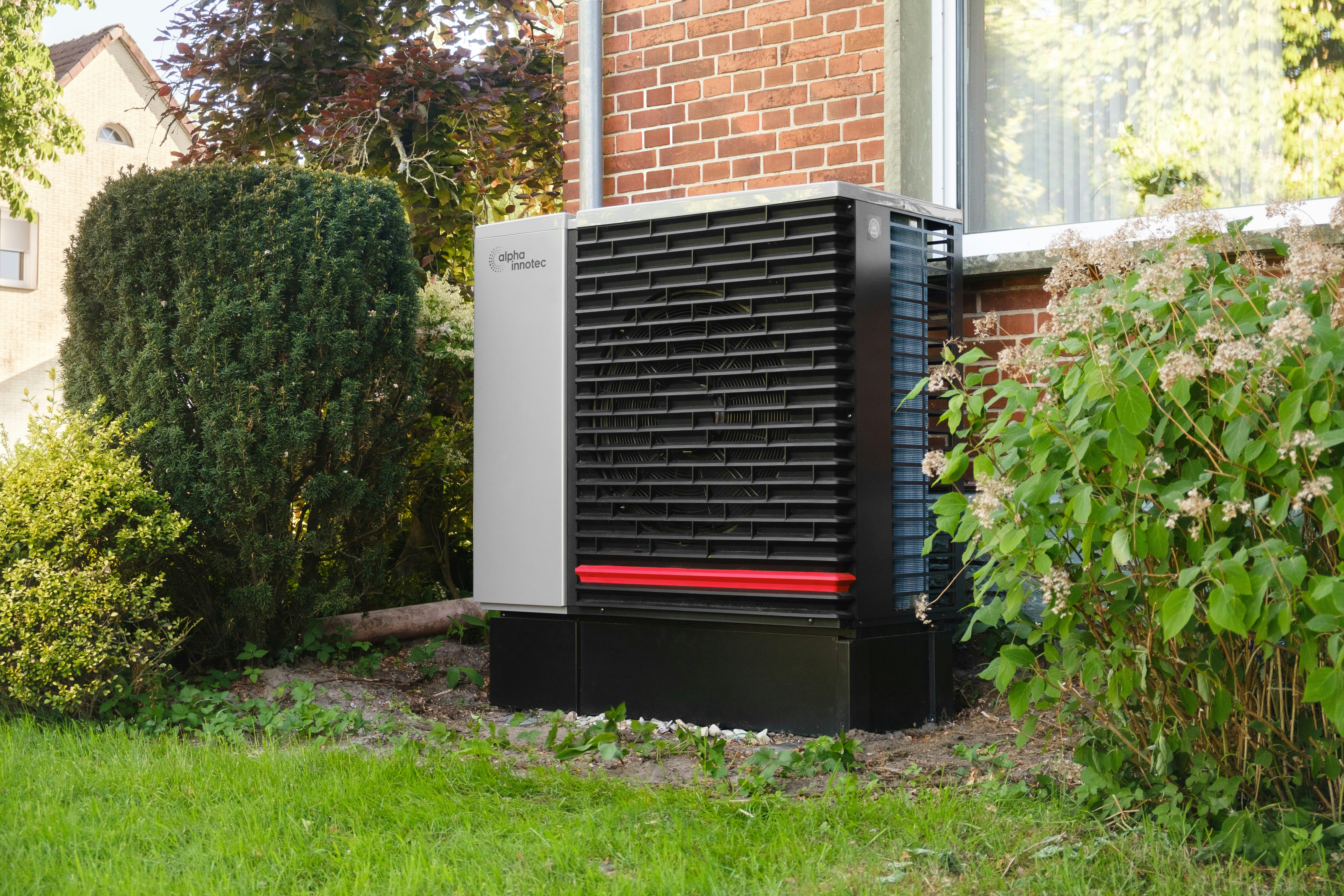
The outdoor unit needs a practical, well-considered location. Check clearances, service access, pipe routes, condensate drainage, visual impact and how sound may travel to your home or neighbouring properties. A poor location can create avoidable maintenance, planning or neighbour issues even when the equipment itself is suitable.
For the legal and practical planning context, see Do I Need Planning Permission for a Heat Pump?.
6. Check the electrical route before work starts
A heat pump needs an appropriate electrical supply and, depending on the proposed equipment and local network requirements, the installation may need to be notified or approved by the distribution network operator. Ask who is responsible for the process, whether electrical upgrades are included and what happens if the network requires additional work.
Our guide Do I Need to Inform the Electricity Grid Before Installing a Heat Pump? explains the key questions.
7. Compare quotations by scope and evidence, not by headline price
A meaningful comparison should show the heat-loss work, proposed unit, radiators or upgrades, cylinder, controls, electrical work, outdoor-unit location, commissioning, handover and exclusions. A cheaper quotation may omit a critical part of the design; a higher price may include work that protects comfort and long-term performance. Ask for assumptions to be written down.
Independent services for the stage you are at
Before you accept a quote
A Pre-Installation Design & Heat Loss Review provides an independent check of the proposed system, heat-loss evidence and quotation before you commit.
When the design needs a deeper technical review
If you want a closer look at sizing, emitters, hydraulic layout or operating temperatures, a Heat Pump Design Review focuses on the design decisions that determine day-to-day performance.
If you also want cooling
Where summer cooling is part of the brief, the Heat Pump Cooling service helps assess whether the emitters, controls and condensation protection are suitable from the start.
When you need confidence in the controls
A System Controller Configuration Review is useful when you want a clear plan for schedules, heating curves and weather compensation after commissioning.
Questions to ask before you sign
Can I see the room-by-room heat-loss calculation and radiator outputs?
What flow temperature has the system been designed to use, and why?
Which works, upgrades and exclusions are included in the quotation?
How will the system be commissioned, handed over and supported after installation?
Conclusion: make the decision with evidence
A well-designed heat-pump installation begins before any equipment is ordered. If the heat loss, emitter performance, hot-water demand, siting, electrical route and quotation are clear, you are in a much stronger position to choose the right installer and the right system. Take the time to ask for evidence now; it is far easier than correcting an avoidable problem after installation.
Thinking about installing a heat pump? Start with the design, not the brand
A heat pump can be an excellent long-term heating solution, but the outcome depends far more on the design and installation than on a logo on the outdoor unit. Before accepting a quotation, ask for clear evidence that the system has been designed for your home, your hot-water use and the temperatures your rooms need in cold weather.
This guide explains the checks worth making before you commit. It is not about finding a single ‘best’ heat pump. It is about understanding the decisions that affect comfort, running costs, noise, future maintenance and whether the installation delivers what was promised.
1. Ask for a room-by-room heat-loss calculation
A whole-house estimate is not enough on its own. A room-by-room heat-loss calculation shows how much heat each room needs at the chosen design condition. That information drives radiator sizing, flow temperature and the final heat-pump selection. It should account for the building fabric, glazing, ventilation and the difference between indoor and outdoor design temperatures.
For a detailed explanation of this process, read Heat Loss in a House: What It Means and Why It Matters for Heat Pumps.
2. Check whether your radiators and pipework suit low-temperature heating
Heat pumps usually deliver heat at lower flow temperatures than a traditional boiler. That can be efficient and comfortable, but only when the emitters can release enough heat into each room. Some radiators may already be suitable; others may need to be larger, or the system may need to operate at a different temperature. Existing pipework also needs to support the required flow without excessive resistance.
Use the guides Do Heat Pumps Need Bigger Radiators? and Do Heat Pumps Work With Old Radiators? to understand what an installer should evidence.
3. Size the heat pump from the design, not from guesswork
Oversizing and undersizing can both create problems. An undersized system may struggle during colder periods; an oversized system can cycle more often and may run less efficiently. The proposed capacity should be explained in relation to the heat-loss calculation, the chosen design temperature and the system’s expected operating conditions—not simply chosen because it is the next model size available.
For more detail, see What Size Heat Pump Does My House Need?.
4. Plan hot water around your household, not a generic cylinder size
Hot-water design is one of the most personal parts of a heat-pump installation. The right cylinder size depends on how many people use the home, bathing and shower habits, available space and how quickly you need the cylinder to recover. Ask what cylinder is proposed, why it is suitable and how the installer has allowed for peak demand.
Read Do I Need a Hot Water Cylinder With a Heat Pump? before comparing quotations.
5. Treat outdoor-unit location, noise and access as design decisions
The outdoor unit needs a practical, well-considered location. Check clearances, service access, pipe routes, condensate drainage, visual impact and how sound may travel to your home or neighbouring properties. A poor location can create avoidable maintenance, planning or neighbour issues even when the equipment itself is suitable.
For the legal and practical planning context, see Do I Need Planning Permission for a Heat Pump?.
6. Check the electrical route before work starts
A heat pump needs an appropriate electrical supply and, depending on the proposed equipment and local network requirements, the installation may need to be notified or approved by the distribution network operator. Ask who is responsible for the process, whether electrical upgrades are included and what happens if the network requires additional work.
Our guide Do I Need to Inform the Electricity Grid Before Installing a Heat Pump? explains the key questions.
7. Compare quotations by scope and evidence, not by headline price
A meaningful comparison should show the heat-loss work, proposed unit, radiators or upgrades, cylinder, controls, electrical work, outdoor-unit location, commissioning, handover and exclusions. A cheaper quotation may omit a critical part of the design; a higher price may include work that protects comfort and long-term performance. Ask for assumptions to be written down.
Independent services for the stage you are at
Before you accept a quote
A Pre-Installation Design & Heat Loss Review provides an independent check of the proposed system, heat-loss evidence and quotation before you commit.
When the design needs a deeper technical review
If you want a closer look at sizing, emitters, hydraulic layout or operating temperatures, a Heat Pump Design Review focuses on the design decisions that determine day-to-day performance.
If you also want cooling
Where summer cooling is part of the brief, the Heat Pump Cooling service helps assess whether the emitters, controls and condensation protection are suitable from the start.
When you need confidence in the controls
A System Controller Configuration Review is useful when you want a clear plan for schedules, heating curves and weather compensation after commissioning.
Questions to ask before you sign
Can I see the room-by-room heat-loss calculation and radiator outputs?
What flow temperature has the system been designed to use, and why?
Which works, upgrades and exclusions are included in the quotation?
How will the system be commissioned, handed over and supported after installation?
Conclusion: make the decision with evidence
A well-designed heat-pump installation begins before any equipment is ordered. If the heat loss, emitter performance, hot-water demand, siting, electrical route and quotation are clear, you are in a much stronger position to choose the right installer and the right system. Take the time to ask for evidence now; it is far easier than correcting an avoidable problem after installation.

Sep 20, 2026
5 min read
How Often Should You Service a Heat Pump?
Read More
Sep 20, 2026
5 min read
How Often Should You Service a Heat Pump?
Read More

Sep 18, 2026
5 min read
Why Is My Heat Pump Not Reaching Temperature? (UK Guide)
Read More
Sep 18, 2026
5 min read
Why Is My Heat Pump Not Reaching Temperature? (UK Guide)
Read More


Contact Us
Not Sure Which Service You Need?
Not Sure Which Service You Need?
Not Sure Which Service You Need?
Not Sure Which Service You Need?
Not Sure Which Service You Need?
Whether you need help with an existing heat pump, a pre-installation review, cooling advice, servicing or a room-by-room heat loss survey, send us a few details and we'll point you in the right direction.
Whether you need help with an existing heat pump, a pre-installation review, cooling advice, servicing or a room-by-room heat loss survey, send us a few details and we'll point you in the right direction.
Whether you need help with an existing heat pump, a pre-installation review, cooling advice, servicing or a room-by-room heat loss survey, send us a few details and we'll point you in the right direction.

