Why Is My Heat Pump Heating Overnight When I Didn't Ask It To?
Why Is My Heat Pump Heating Overnight When I Didn't Ask It To?
Why Is My Heat Pump Heating Overnight When I Didn't Ask It To?
Why Is My Heat Pump Heating Overnight When I Didn't Ask It To?
Why Is My Heat Pump Heating Overnight When I Didn't Ask It To?

UK Heat pump Help Technical Team
Independent Heat Pump Engineer
Why Is My Heat Pump Heating Overnight When I Didn't Ask It To?
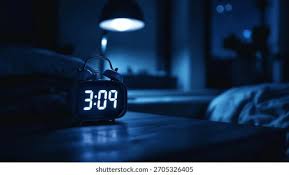
A question that comes up time and again from UK homeowners is: "Why was my heat pump running at 3am when I didn't ask it to?" It's a reasonable thing to wonder, especially if you're watching your electricity usage carefully or simply expected the system to be completely off. The good news is that overnight operation, in most cases, is not a sign that something has gone wrong. Understanding why it happens is the first step to knowing whether you need to take any action at all.
Does a Heat Pump Ever Truly Turn Off?
Many homeowners are surprised to discover that their heating controller doesn't have a genuine "off" setting in the way they expect. Modern heat pump controllers typically use something called a setback temperature rather than a complete shutdown. This means that at night, the system doesn't stop heating entirely it simply changes its target. During the day the controller might aim for 21°C, while overnight it steps down to something like 17°C. If the house temperature falls below that lower threshold at any point during the night, the heat pump will run to restore it. From the homeowner's perspective it can look like the system is doing something unauthorised, when in reality it's following its programme precisely.
This is fundamentally different from how traditional gas boilers are often used. Boilers can heat water quickly to high temperatures, so many people set them to fire up in short bursts a couple of times a day. Heat pumps operate at lower flow temperatures and are designed to run steadily over longer periods, maintaining the property's warmth rather than rescuing it from the cold. That difference in operating philosophy means overnight running is built into how the technology works.
Why Setback Temperatures Are Used Instead of a Full Off
Heat pumps work best when they're maintaining a steady temperature, not chasing a large recovery after a significant drop. If a home is allowed to cool down substantially overnight and then the heat pump must bring it back up in the morning, several things happen that reduce both comfort and efficiency. Recovery times become longer, the system may need to run at higher flow temperatures to catch up, and the overall electricity consumption across the day can end up higher than if the temperature had simply been held at a modest overnight level. For well-insulated properties in particular, a small setback just two or three degrees is far more effective than a full shutdown.
If you want to understand more about how turning the system off compares to leaving it running, the article on whether you should turn your heat pump off at night explains this in detail, including what actually happens to electricity use in both scenarios.
What About Frost Protection?
Most heat pumps include a built-in frost protection function that operates independently of your heating schedule. When outdoor temperatures drop far enough, the heat pump may run certain components typically circulation pumps — to prevent water in the system from freezing. This function uses very little electricity and most homeowners would never notice it happening unless they happened to check their monitoring app at the right moment. Frost protection alone is rarely the cause of noticeable overnight heating output, but it does explain why parts of the system may appear active even when you've set everything to be off.
The Legionella Cycle and Why It Runs at Night
If you have a hot water cylinder alongside your heat pump, your system is almost certainly programmed to carry out a periodic anti-legionella cycle. UK building regulations recommend that hot water cylinders reach temperatures above 60°C on a regular basis to prevent the growth of legionella bacteria. Because heat pumps typically operate hot water at lower temperatures than traditional boilers often between 45°C and 55°C the controller needs to schedule a separate, higher-temperature run to meet this requirement.
Many systems are set up to carry out this cycle overnight, often weekly, because overnight scheduling avoids interfering with normal daytime hot water demand. Some heat pumps use an immersion heater to reach the required temperature, while others — particularly certain R290 refrigerant models can achieve it using the heat pump itself. If you notice your system appearing to run at the same time on the same night each week, this is very likely the legionella cycle completing automatically. It's not a fault, and it shouldn't normally require any action on your part.
What Your Controller Schedule Might Actually Be Saying
Before assuming there is a problem, it's worth spending a few minutes reviewing the schedules and temperature settings in your controller. A very common scenario is that a homeowner has programmed what they believe is an overnight "off" setting, but has actually entered a setback temperature. The heat pump reads this as an instruction to maintain that lower temperature, not to switch off. Checking your controller's manual or contacting your installer to confirm whether a temperature of, say, 16°C is an "off" state or an active setback can resolve a lot of confusion.
How well your system responds to setback temperatures also depends on whether weather compensation is correctly configured. Without a properly set heating curve, the heat pump may need to work much harder each morning to recover temperature. If you're not sure whether weather compensation is active on your system, the guide on how to set weather compensation on a heat pump is a useful starting point. It's also worth knowing what flow temperature your system is targeting, since this has a direct impact on how efficiently it runs overnight the article on what flow temperature a heat pump should run at covers this thoroughly.
When Should You Actually Be Concerned?
Overnight operation is normal. But there are patterns that do warrant closer attention. If your heat pump is running continuously throughout the night and still failing to maintain the target temperature, that suggests a mismatch between the system's output and the property's heat demand. If your electricity consumption seems disproportionate to the weather conditions, that could indicate the system is working harder than it should possibly because of incorrect flow temperatures, a poorly configured heating curve, or radiators that aren't well suited to lower-temperature operation. You can read more about radiator compatibility in the guide on whether heat pumps work with old radiators .
Excessive noise overnight is another signal worth investigating, as is a pattern of the system cycling on and off frequently rather than running steadily. A well-set-up heat pump should be running quietly and consistently not making its presence felt in the middle of the night.
If your home is an older property and you're not sure whether the system was designed appropriately for it in the first place, the article on whether heat pumps work in older houses covers the key design factors that determine performance in those settings.
The Single Most Important Check
If you're concerned about overnight operation, the single most effective first step is to go to your controller and check exactly what it's been programmed to do. Many homeowners find that what they believed was an "off" instruction is in fact a setback temperature the system has been faithfully maintaining all night. That's not a fault it's the system doing what it was told. If the schedule is correct and the system is still running excessively, or if you can't determine what's normal for your installation, that's when independent advice becomes genuinely useful.
If you'd like an expert to review your system's configuration and confirm whether it's operating as it should, our independent heat pump diagnostic service is designed exactly for that purpose. There's no installation to sell and no agenda just a clear, written assessment of what your system is doing and whether any changes would help. You can find out more about the review service at https://ukheatpumphelp.co.uk/how-it-works.
Why Is My Heat Pump Heating Overnight When I Didn't Ask It To?
A question that comes up time and again from UK homeowners is: "Why was my heat pump running at 3am when I didn't ask it to?" It's a reasonable thing to wonder, especially if you're watching your electricity usage carefully or simply expected the system to be completely off. The good news is that overnight operation, in most cases, is not a sign that something has gone wrong. Understanding why it happens is the first step to knowing whether you need to take any action at all.
Does a Heat Pump Ever Truly Turn Off?
Many homeowners are surprised to discover that their heating controller doesn't have a genuine "off" setting in the way they expect. Modern heat pump controllers typically use something called a setback temperature rather than a complete shutdown. This means that at night, the system doesn't stop heating entirely it simply changes its target. During the day the controller might aim for 21°C, while overnight it steps down to something like 17°C. If the house temperature falls below that lower threshold at any point during the night, the heat pump will run to restore it. From the homeowner's perspective it can look like the system is doing something unauthorised, when in reality it's following its programme precisely.
This is fundamentally different from how traditional gas boilers are often used. Boilers can heat water quickly to high temperatures, so many people set them to fire up in short bursts a couple of times a day. Heat pumps operate at lower flow temperatures and are designed to run steadily over longer periods, maintaining the property's warmth rather than rescuing it from the cold. That difference in operating philosophy means overnight running is built into how the technology works.
Why Setback Temperatures Are Used Instead of a Full Off
Heat pumps work best when they're maintaining a steady temperature, not chasing a large recovery after a significant drop. If a home is allowed to cool down substantially overnight and then the heat pump must bring it back up in the morning, several things happen that reduce both comfort and efficiency. Recovery times become longer, the system may need to run at higher flow temperatures to catch up, and the overall electricity consumption across the day can end up higher than if the temperature had simply been held at a modest overnight level. For well-insulated properties in particular, a small setback just two or three degrees is far more effective than a full shutdown.
If you want to understand more about how turning the system off compares to leaving it running, the article on whether you should turn your heat pump off at night explains this in detail, including what actually happens to electricity use in both scenarios.
What About Frost Protection?
Most heat pumps include a built-in frost protection function that operates independently of your heating schedule. When outdoor temperatures drop far enough, the heat pump may run certain components typically circulation pumps — to prevent water in the system from freezing. This function uses very little electricity and most homeowners would never notice it happening unless they happened to check their monitoring app at the right moment. Frost protection alone is rarely the cause of noticeable overnight heating output, but it does explain why parts of the system may appear active even when you've set everything to be off.
The Legionella Cycle and Why It Runs at Night
If you have a hot water cylinder alongside your heat pump, your system is almost certainly programmed to carry out a periodic anti-legionella cycle. UK building regulations recommend that hot water cylinders reach temperatures above 60°C on a regular basis to prevent the growth of legionella bacteria. Because heat pumps typically operate hot water at lower temperatures than traditional boilers often between 45°C and 55°C the controller needs to schedule a separate, higher-temperature run to meet this requirement.
Many systems are set up to carry out this cycle overnight, often weekly, because overnight scheduling avoids interfering with normal daytime hot water demand. Some heat pumps use an immersion heater to reach the required temperature, while others — particularly certain R290 refrigerant models can achieve it using the heat pump itself. If you notice your system appearing to run at the same time on the same night each week, this is very likely the legionella cycle completing automatically. It's not a fault, and it shouldn't normally require any action on your part.
What Your Controller Schedule Might Actually Be Saying
Before assuming there is a problem, it's worth spending a few minutes reviewing the schedules and temperature settings in your controller. A very common scenario is that a homeowner has programmed what they believe is an overnight "off" setting, but has actually entered a setback temperature. The heat pump reads this as an instruction to maintain that lower temperature, not to switch off. Checking your controller's manual or contacting your installer to confirm whether a temperature of, say, 16°C is an "off" state or an active setback can resolve a lot of confusion.
How well your system responds to setback temperatures also depends on whether weather compensation is correctly configured. Without a properly set heating curve, the heat pump may need to work much harder each morning to recover temperature. If you're not sure whether weather compensation is active on your system, the guide on how to set weather compensation on a heat pump is a useful starting point. It's also worth knowing what flow temperature your system is targeting, since this has a direct impact on how efficiently it runs overnight the article on what flow temperature a heat pump should run at covers this thoroughly.
When Should You Actually Be Concerned?
Overnight operation is normal. But there are patterns that do warrant closer attention. If your heat pump is running continuously throughout the night and still failing to maintain the target temperature, that suggests a mismatch between the system's output and the property's heat demand. If your electricity consumption seems disproportionate to the weather conditions, that could indicate the system is working harder than it should possibly because of incorrect flow temperatures, a poorly configured heating curve, or radiators that aren't well suited to lower-temperature operation. You can read more about radiator compatibility in the guide on whether heat pumps work with old radiators .
Excessive noise overnight is another signal worth investigating, as is a pattern of the system cycling on and off frequently rather than running steadily. A well-set-up heat pump should be running quietly and consistently not making its presence felt in the middle of the night.
If your home is an older property and you're not sure whether the system was designed appropriately for it in the first place, the article on whether heat pumps work in older houses covers the key design factors that determine performance in those settings.
The Single Most Important Check
If you're concerned about overnight operation, the single most effective first step is to go to your controller and check exactly what it's been programmed to do. Many homeowners find that what they believed was an "off" instruction is in fact a setback temperature the system has been faithfully maintaining all night. That's not a fault it's the system doing what it was told. If the schedule is correct and the system is still running excessively, or if you can't determine what's normal for your installation, that's when independent advice becomes genuinely useful.
If you'd like an expert to review your system's configuration and confirm whether it's operating as it should, our independent heat pump diagnostic service is designed exactly for that purpose. There's no installation to sell and no agenda just a clear, written assessment of what your system is doing and whether any changes would help. You can find out more about the review service at https://ukheatpumphelp.co.uk/how-it-works.

Oct 16, 2026
5 min read
Heat Pump Legionella Cycle: Why It Heats to 60°C (UK Guide)
Read More
Oct 16, 2026
5 min read
Heat Pump Legionella Cycle: Why It Heats to 60°C (UK Guide)
Read More
Oct 15, 2026
5 min read
Heat Pump Efficiency UK: What’s Normal and How to Check
Read More
Oct 15, 2026
5 min read
Heat Pump Efficiency UK: What’s Normal and How to Check
Read More

Contact Us
Not Sure Which Service You Need?
Not Sure Which Service You Need?
Not Sure Which Service You Need?
Not Sure Which Service You Need?
Not Sure Which Service You Need?
Whether you need help with an existing heat pump, a pre-installation review, cooling advice, servicing or a room-by-room heat loss survey, send us a few details and we'll point you in the right direction.
Whether you need help with an existing heat pump, a pre-installation review, cooling advice, servicing or a room-by-room heat loss survey, send us a few details and we'll point you in the right direction.
Whether you need help with an existing heat pump, a pre-installation review, cooling advice, servicing or a room-by-room heat loss survey, send us a few details and we'll point you in the right direction.

