Why Is My Thermostat Getting to Temperature but My House Still Feels Cold?
Why Is My Thermostat Getting to Temperature but My House Still Feels Cold?
Why Is My Thermostat Getting to Temperature but My House Still Feels Cold?
Why Is My Thermostat Getting to Temperature but My House Still Feels Cold?
Why Is My Thermostat Getting to Temperature but My House Still Feels Cold?

UK Heat pump Help Technical Team
Independent Heat Pump Engineer
Why Is My Thermostat Getting to Temperature but My House Still Feels Cold?
If your thermostat says 21°C but you’re still reaching for a jumper, it doesn’t necessarily mean anything is wrong with your heat pump. This is one of the most common questions we hear from UK homeowners, and in the majority of cases the system has done exactly what it was asked to do. The thermostat has hit its target, the heating has stopped calling for more heat, and yet the room still doesn’t feel comfortable. The real issue almost always comes down to the fact that air temperature and comfort are not the same thing, and understanding the difference is the first step to actually fixing it rather than just turning the dial up and hoping for the best. This is also one of the most common reasons homeowners contact us thinking their heat pump is not working properly, when in fact the unit is running exactly as instructed.
Your Thermostat Only Measures One Location
A thermostat can only report on the air immediately around its own sensor, which means it has no idea what’s happening anywhere else in your home. If it’s mounted in a warm hallway, close to the kitchen, or in a room that naturally heats up faster than the rest of the house, it will happily reach its target temperature while the room you’re actually sitting in, often the living room, is running two or three degrees cooler. We see this constantly in the systems we review: the hallway reads 21°C, the living room is sitting closer to 19°C, and because the thermostat has already been satisfied, the heat pump throttles back or stops calling for heat before the room you care about has actually caught up. Open-plan layouts and stairwells make this worse, because warm air naturally rises and drifts toward the thermostat location rather than staying where you need it.
This single-point-of-measurement problem is one of the most frequent causes behind the pattern we cover in why some rooms stay cold with a heat pump, and it’s closely tied to the issues explained in why your heat pump isn’t reaching target temperature, where the thermostat’s setpoint and the lived experience of the house diverge for very similar reasons. It’s also worth checking whether your system is set up with multiple heating zones, since the right zoning strategy, explained in do heat pumps need multiple heating zones, can solve this exact mismatch by giving each part of the house its own independent control point instead of relying on one hallway sensor for the whole property.
Cold Walls and Floors Can Make You Feel Cold Even When the Air Isn’t
Even once the air in a room has reached 21°C, the walls, floors, windows, and furniture around you may still be considerably colder, particularly if the heating has only recently come on or the house cooled down significantly overnight. Your body doesn’t just respond to air temperature; it’s constantly radiating heat toward any surface that’s colder than your skin, which is why you can feel a distinct chill sitting near an exterior wall or a large window even when the room air itself is at a perfectly reasonable temperature. This effect, sometimes called radiant asymmetry, is far more noticeable with heat pumps than with old high-temperature boiler systems, because heat pumps are designed to run gently and consistently rather than blasting a room with a short burst of very hot water.
This is a particularly common complaint in older or poorly insulated properties, where thermal mass takes far longer to warm through. We’ve written separately about whether heat pumps can work effectively in poorly insulated houses and, more broadly, whether heat pumps work in older houses at all, since fabric heat loss plays a huge role in how quickly cold surfaces catch up once the heating comes on.
It also connects directly to flow temperature. If your system is running at a flow temperature that’s too low for the fabric of your home, radiators or underfloor heating simply can’t push enough heat into those cold surfaces quickly enough. That’s the exact scenario covered in what flow temperature should my heat pump run at and in why turning up the flow temperature doesn’t always heat your house faster, since cranking the temperature up isn’t always the fix once the system has been designed or configured incorrectly in the first place. Getting the balance between Delta T and flow temperature right matters here too, and we go into that in more depth in what is Delta T on a heat pump system and why does it actually matter.
Air Movement Can Make a Correctly Heated Room Feel Cold
A room can be sitting at exactly the right air temperature on paper and still feel uncomfortable if there’s a constant, low-level movement of air across it. Open staircases, trickle vents, extractor fans left running, and small draughts around ill-fitting doors and windows are all capable of making a space feel noticeably colder than the thermostat reading would suggest, simply because moving air strips heat away from your skin far faster than still air does. This doesn’t necessarily mean your heat pump isn’t working properly; it usually means the room’s comfort is being undermined by something entirely separate from the heating system itself, whether that’s ventilation strategy, draught-proofing, or general building fabric.
It’s a subtly different problem to the one covered in why is my heat pump not heating my house, but the practical effect on comfort can feel identical to the homeowner sitting in the room. If you’ve also noticed the system seems to run constantly without ever quite settling, it’s worth ruling out whether that’s related, which we cover separately in why does my heat pump keep turning on and off.
A Thermostat Doesn’t Measure Comfort, It Only Measures Air
One of the biggest misconceptions homeowners have is assuming a thermostat is somehow measuring how comfortable they feel. It isn’t, and it never has been; it is only ever reporting the air temperature at the exact point where its sensor sits. That’s why two homes can both show 21°C on their thermostats and yet feel completely different to live in, one warm and settled, the other still noticeably chilly. Comfort is a combination of air temperature, surface temperature, humidity, and air movement, and a single thermostat reading only ever tells you about one of those four factors.
This is also where thermostat settings and placement genuinely matter: how your schedules, setback temperatures, and heating curve are configured can make a meaningful difference to how evenly a home holds its temperature. We cover this in detail in best heat pump thermostat settings and in what does weather compensation actually do, since a heat pump running a well-tuned weather compensation curve will generally hold a far steadier, more comfortable temperature throughout the day than one left on a basic fixed setpoint that simply switches on and off around a single number.
Radiator and System Sizing Can Be Hiding Behind a “Correct” Thermostat Reading
In a good number of the cases we review, the thermostat reaching its target temperature is masking a radiator or emitter that isn’t sized to deliver enough heat into the room at the flow temperature the system is running. Heat pumps typically run much lower flow temperatures than an old gas boiler ever did, and radiators that were perfectly adequate at 70°C can end up only lukewarm at 35–45°C. We go into this in detail in do heat pumps need bigger radiators and why are my heat pump radiators only lukewarm.
If the radiator in your coldest room can’t shift enough heat into the space fast enough, the thermostat elsewhere in the house can still be perfectly satisfied while that particular room lags behind, and no amount of thermostat fiddling will resolve it, because the fix sits at the emitter and heat loss level, not the controller. This is also where an accurate heat loss calculation matters more than people expect, something we explain fully in heat loss in a house: what it means and why it matters for heat pumps.
How to Start Diagnosing It Yourself
Before assuming the worst, it’s worth doing a bit of your own detective work. Compare the room your thermostat sits in against the room that feels coldest, using a simple room thermometer if you have one, and note the actual gap rather than relying on how it feels. Check whether the coldest room has an exterior wall, a large window, or sits above an unheated space like a garage, since all of these increase fabric heat loss in that specific area. Feel the radiator in that room once the heating has been running for an hour; if it’s warm at the top but barely lukewarm at the bottom, or lukewarm throughout, that points toward either a flow temperature or emitter sizing issue rather than a thermostat placement problem. And check for obvious draughts around doors, windows, and loft hatches in that room, since sealing these is often a same-day fix that makes a real difference before you touch any heat pump settings at all.
We Can Help Identify the Cause
If your home isn’t feeling as comfortable as the thermostat suggests it should, we can help you get to the bottom of it properly rather than guessing. During a one-to-one video consultation as part of our Fix My Heat Pump service, we go through how your home is actually heating, assess where your thermostat is located relative to the rooms you spend the most time in, and help identify why your home still feels cold even though the heat pump is technically reaching temperature. Where the issue turns out to be about how your controls and thermostat are set up rather than the system’s design, our System Controller Configuration Review is a lower-cost way to get a clear, personalised guide to your exact controller so you’re using it properly rather than fighting against it. Where it’s safe and appropriate, we’ll guide you through any adjustments that may improve comfort directly, and if further physical work is needed, you’ll receive clear written guidance explaining exactly what your engineer should check. You can see the kind of real, documented issues this uncovers in our case studies, where problems ranging from zoning faults to incorrect flow temperatures have turned out to be the actual cause behind homes that “should” have been warm enough on paper.
Planning a New Heat Pump? Get the Design Right From the Start
A correctly designed heat pump system should provide consistent, comfortable heating throughout your entire home, not just reach a number on a thermostat in the hallway while the living room lags behind. If you’re still at the planning or quoting stage, our Pre-Installation Design Review checks your heat loss calculations, emitter and radiator sizing, flow temperature specification, and overall system design before installation goes ahead, which is by far the easiest point to catch and fix these comfort issues, well before they become a lived-in problem you’re trying to diagnose after the fact.
Related reading: Why Turning Up the Flow Temperature Doesn’t Always Heat Your House Faster · Why Are Some Rooms Cold With a Heat Pump? · Why Does My Heat Pump Feel Less Powerful Than My Old Boiler?
Why Is My Thermostat Getting to Temperature but My House Still Feels Cold?
If your thermostat says 21°C but you’re still reaching for a jumper, it doesn’t necessarily mean anything is wrong with your heat pump. This is one of the most common questions we hear from UK homeowners, and in the majority of cases the system has done exactly what it was asked to do. The thermostat has hit its target, the heating has stopped calling for more heat, and yet the room still doesn’t feel comfortable. The real issue almost always comes down to the fact that air temperature and comfort are not the same thing, and understanding the difference is the first step to actually fixing it rather than just turning the dial up and hoping for the best. This is also one of the most common reasons homeowners contact us thinking their heat pump is not working properly, when in fact the unit is running exactly as instructed.
Your Thermostat Only Measures One Location
A thermostat can only report on the air immediately around its own sensor, which means it has no idea what’s happening anywhere else in your home. If it’s mounted in a warm hallway, close to the kitchen, or in a room that naturally heats up faster than the rest of the house, it will happily reach its target temperature while the room you’re actually sitting in, often the living room, is running two or three degrees cooler. We see this constantly in the systems we review: the hallway reads 21°C, the living room is sitting closer to 19°C, and because the thermostat has already been satisfied, the heat pump throttles back or stops calling for heat before the room you care about has actually caught up. Open-plan layouts and stairwells make this worse, because warm air naturally rises and drifts toward the thermostat location rather than staying where you need it.
This single-point-of-measurement problem is one of the most frequent causes behind the pattern we cover in why some rooms stay cold with a heat pump, and it’s closely tied to the issues explained in why your heat pump isn’t reaching target temperature, where the thermostat’s setpoint and the lived experience of the house diverge for very similar reasons. It’s also worth checking whether your system is set up with multiple heating zones, since the right zoning strategy, explained in do heat pumps need multiple heating zones, can solve this exact mismatch by giving each part of the house its own independent control point instead of relying on one hallway sensor for the whole property.
Cold Walls and Floors Can Make You Feel Cold Even When the Air Isn’t
Even once the air in a room has reached 21°C, the walls, floors, windows, and furniture around you may still be considerably colder, particularly if the heating has only recently come on or the house cooled down significantly overnight. Your body doesn’t just respond to air temperature; it’s constantly radiating heat toward any surface that’s colder than your skin, which is why you can feel a distinct chill sitting near an exterior wall or a large window even when the room air itself is at a perfectly reasonable temperature. This effect, sometimes called radiant asymmetry, is far more noticeable with heat pumps than with old high-temperature boiler systems, because heat pumps are designed to run gently and consistently rather than blasting a room with a short burst of very hot water.
This is a particularly common complaint in older or poorly insulated properties, where thermal mass takes far longer to warm through. We’ve written separately about whether heat pumps can work effectively in poorly insulated houses and, more broadly, whether heat pumps work in older houses at all, since fabric heat loss plays a huge role in how quickly cold surfaces catch up once the heating comes on.
It also connects directly to flow temperature. If your system is running at a flow temperature that’s too low for the fabric of your home, radiators or underfloor heating simply can’t push enough heat into those cold surfaces quickly enough. That’s the exact scenario covered in what flow temperature should my heat pump run at and in why turning up the flow temperature doesn’t always heat your house faster, since cranking the temperature up isn’t always the fix once the system has been designed or configured incorrectly in the first place. Getting the balance between Delta T and flow temperature right matters here too, and we go into that in more depth in what is Delta T on a heat pump system and why does it actually matter.
Air Movement Can Make a Correctly Heated Room Feel Cold
A room can be sitting at exactly the right air temperature on paper and still feel uncomfortable if there’s a constant, low-level movement of air across it. Open staircases, trickle vents, extractor fans left running, and small draughts around ill-fitting doors and windows are all capable of making a space feel noticeably colder than the thermostat reading would suggest, simply because moving air strips heat away from your skin far faster than still air does. This doesn’t necessarily mean your heat pump isn’t working properly; it usually means the room’s comfort is being undermined by something entirely separate from the heating system itself, whether that’s ventilation strategy, draught-proofing, or general building fabric.
It’s a subtly different problem to the one covered in why is my heat pump not heating my house, but the practical effect on comfort can feel identical to the homeowner sitting in the room. If you’ve also noticed the system seems to run constantly without ever quite settling, it’s worth ruling out whether that’s related, which we cover separately in why does my heat pump keep turning on and off.
A Thermostat Doesn’t Measure Comfort, It Only Measures Air
One of the biggest misconceptions homeowners have is assuming a thermostat is somehow measuring how comfortable they feel. It isn’t, and it never has been; it is only ever reporting the air temperature at the exact point where its sensor sits. That’s why two homes can both show 21°C on their thermostats and yet feel completely different to live in, one warm and settled, the other still noticeably chilly. Comfort is a combination of air temperature, surface temperature, humidity, and air movement, and a single thermostat reading only ever tells you about one of those four factors.
This is also where thermostat settings and placement genuinely matter: how your schedules, setback temperatures, and heating curve are configured can make a meaningful difference to how evenly a home holds its temperature. We cover this in detail in best heat pump thermostat settings and in what does weather compensation actually do, since a heat pump running a well-tuned weather compensation curve will generally hold a far steadier, more comfortable temperature throughout the day than one left on a basic fixed setpoint that simply switches on and off around a single number.
Radiator and System Sizing Can Be Hiding Behind a “Correct” Thermostat Reading
In a good number of the cases we review, the thermostat reaching its target temperature is masking a radiator or emitter that isn’t sized to deliver enough heat into the room at the flow temperature the system is running. Heat pumps typically run much lower flow temperatures than an old gas boiler ever did, and radiators that were perfectly adequate at 70°C can end up only lukewarm at 35–45°C. We go into this in detail in do heat pumps need bigger radiators and why are my heat pump radiators only lukewarm.
If the radiator in your coldest room can’t shift enough heat into the space fast enough, the thermostat elsewhere in the house can still be perfectly satisfied while that particular room lags behind, and no amount of thermostat fiddling will resolve it, because the fix sits at the emitter and heat loss level, not the controller. This is also where an accurate heat loss calculation matters more than people expect, something we explain fully in heat loss in a house: what it means and why it matters for heat pumps.
How to Start Diagnosing It Yourself
Before assuming the worst, it’s worth doing a bit of your own detective work. Compare the room your thermostat sits in against the room that feels coldest, using a simple room thermometer if you have one, and note the actual gap rather than relying on how it feels. Check whether the coldest room has an exterior wall, a large window, or sits above an unheated space like a garage, since all of these increase fabric heat loss in that specific area. Feel the radiator in that room once the heating has been running for an hour; if it’s warm at the top but barely lukewarm at the bottom, or lukewarm throughout, that points toward either a flow temperature or emitter sizing issue rather than a thermostat placement problem. And check for obvious draughts around doors, windows, and loft hatches in that room, since sealing these is often a same-day fix that makes a real difference before you touch any heat pump settings at all.
We Can Help Identify the Cause
If your home isn’t feeling as comfortable as the thermostat suggests it should, we can help you get to the bottom of it properly rather than guessing. During a one-to-one video consultation as part of our Fix My Heat Pump service, we go through how your home is actually heating, assess where your thermostat is located relative to the rooms you spend the most time in, and help identify why your home still feels cold even though the heat pump is technically reaching temperature. Where the issue turns out to be about how your controls and thermostat are set up rather than the system’s design, our System Controller Configuration Review is a lower-cost way to get a clear, personalised guide to your exact controller so you’re using it properly rather than fighting against it. Where it’s safe and appropriate, we’ll guide you through any adjustments that may improve comfort directly, and if further physical work is needed, you’ll receive clear written guidance explaining exactly what your engineer should check. You can see the kind of real, documented issues this uncovers in our case studies, where problems ranging from zoning faults to incorrect flow temperatures have turned out to be the actual cause behind homes that “should” have been warm enough on paper.
Planning a New Heat Pump? Get the Design Right From the Start
A correctly designed heat pump system should provide consistent, comfortable heating throughout your entire home, not just reach a number on a thermostat in the hallway while the living room lags behind. If you’re still at the planning or quoting stage, our Pre-Installation Design Review checks your heat loss calculations, emitter and radiator sizing, flow temperature specification, and overall system design before installation goes ahead, which is by far the easiest point to catch and fix these comfort issues, well before they become a lived-in problem you’re trying to diagnose after the fact.
Related reading: Why Turning Up the Flow Temperature Doesn’t Always Heat Your House Faster · Why Are Some Rooms Cold With a Heat Pump? · Why Does My Heat Pump Feel Less Powerful Than My Old Boiler?

Oct 21, 2026
5 min read
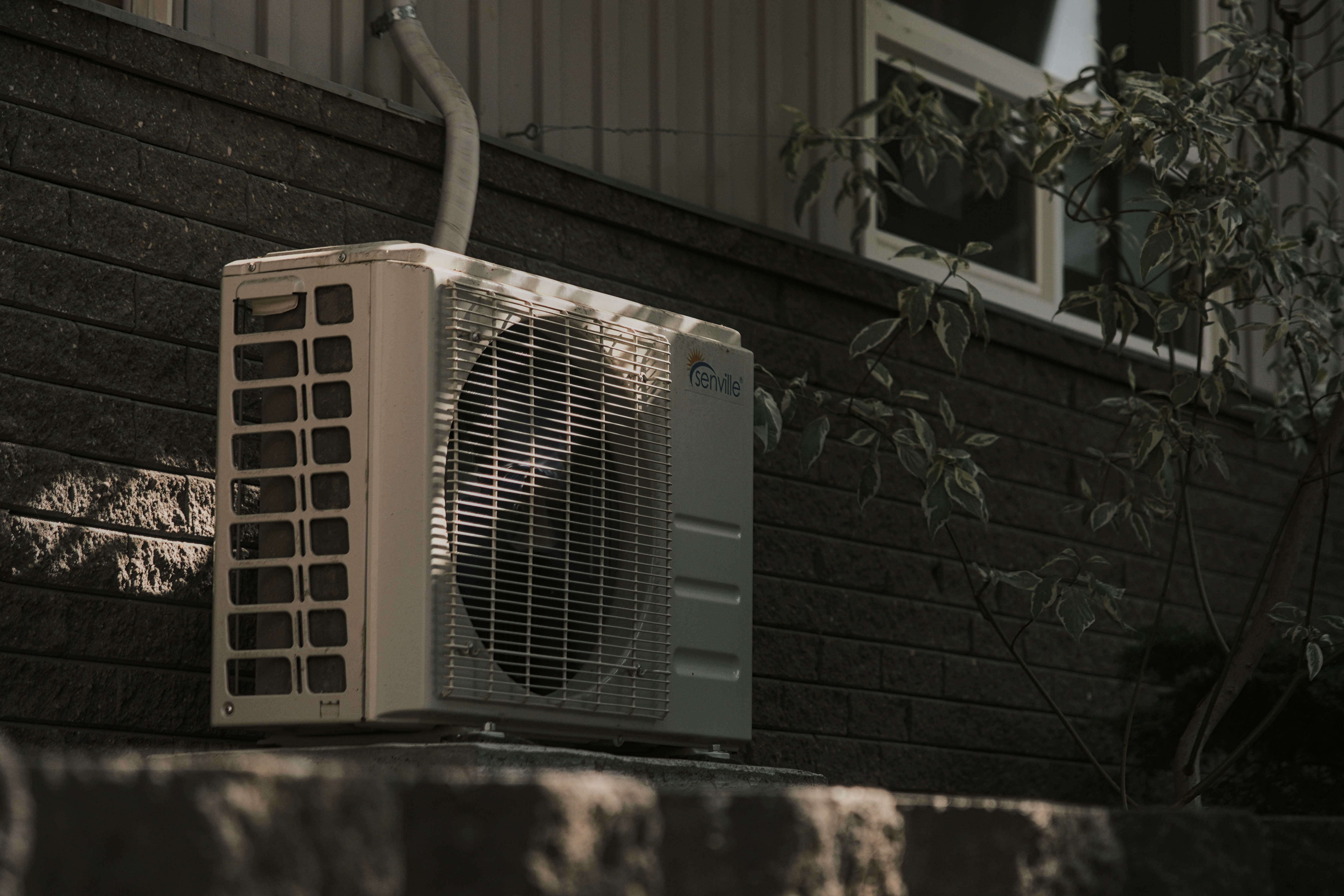
Air to Water Heat Pump: How It Works and What It Needs
Read More
Oct 21, 2026
5 min read
Air to Water Heat Pump: How It Works and What It Needs
Read More
Oct 19, 2026
5 min read
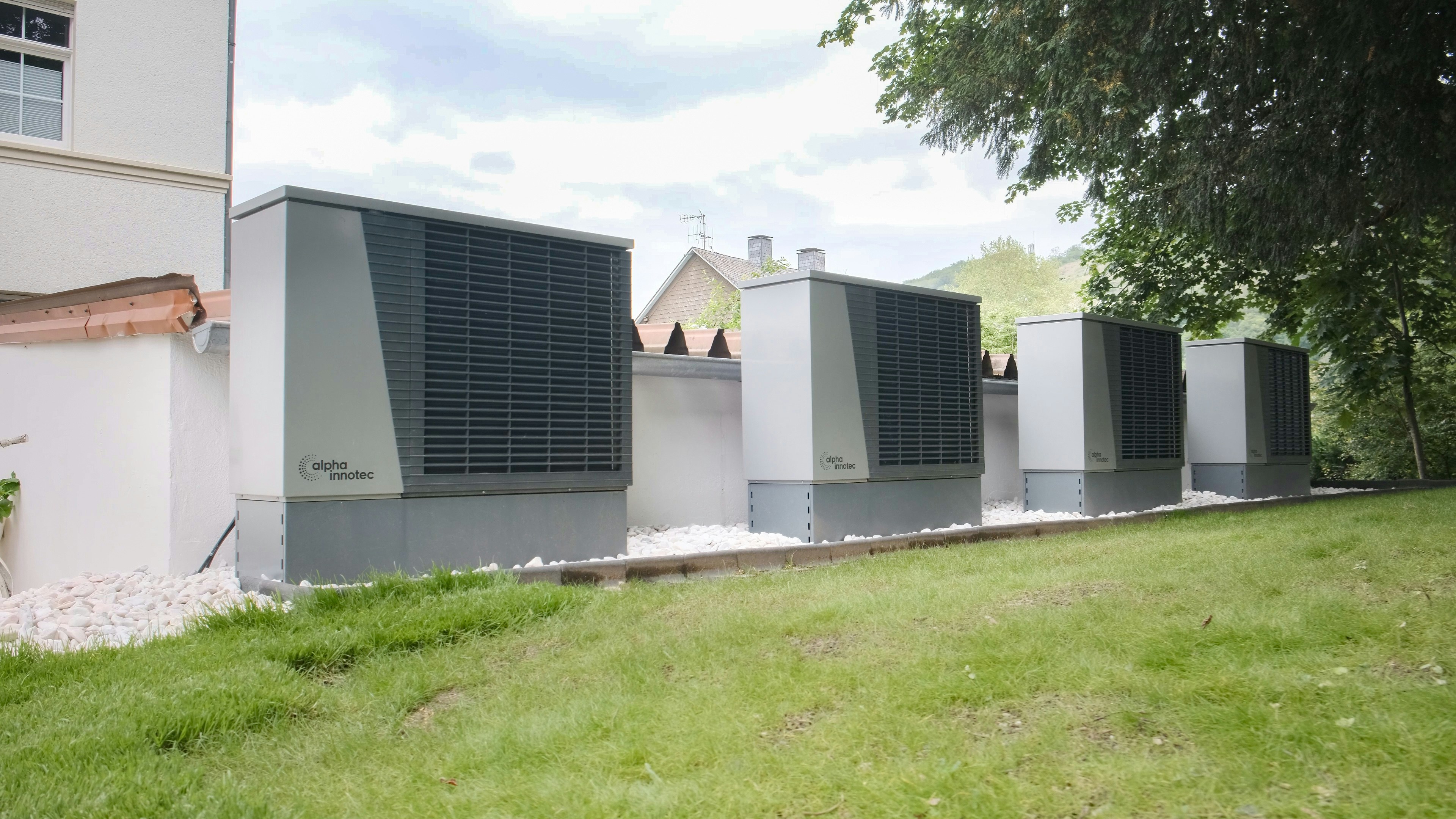
Heat Pump System Water Treatment: Inhibitor, Filters and Annual Water Tests
Read More
Oct 19, 2026
5 min read
Heat Pump System Water Treatment: Inhibitor, Filters and Annual Water Tests
Read More

Contact Us
Not Sure Which Service You Need?
Not Sure Which Service You Need?
Not Sure Which Service You Need?
Not Sure Which Service You Need?
Not Sure Which Service You Need?
Whether you need help with an existing heat pump, a pre-installation review, cooling advice, servicing or a room-by-room heat loss survey, send us a few details and we'll point you in the right direction.
Whether you need help with an existing heat pump, a pre-installation review, cooling advice, servicing or a room-by-room heat loss survey, send us a few details and we'll point you in the right direction.
Whether you need help with an existing heat pump, a pre-installation review, cooling advice, servicing or a room-by-room heat loss survey, send us a few details and we'll point you in the right direction.

