Do I Need A Volumiser With My Heat Pump?
Do I Need A Volumiser With My Heat Pump?
Do I Need A Volumiser With My Heat Pump?
Do I Need A Volumiser With My Heat Pump?
Do I Need A Volumiser With My Heat Pump?

UK Heat pump Help Technical Team
Independent Heat Pump Engineer
Do I Need A Volumiser With My Heat Pump?
One of the most common questions we hear from UK homeowners is whether they need a volumiser with their heat pump. The answer depends entirely on your system design. Some heat pump systems work perfectly well without one. Others require additional water volume to operate correctly and protect the heat pump during certain operating conditions.
What Is A Volumiser?
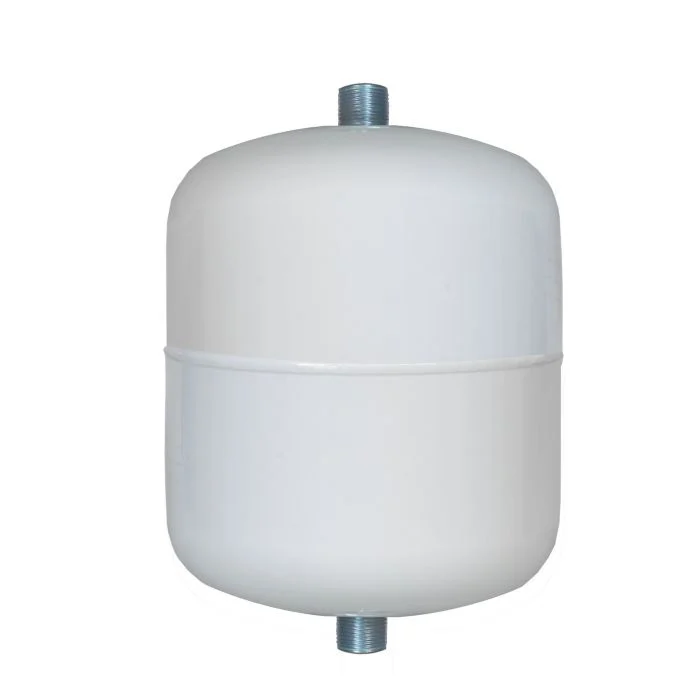
A volumiser is a vessel that increases the total water content within the heating system. Unlike a buffer tank, it does not provide hydraulic separation between circuits. Its sole purpose is to add water volume to the system. If you are unsure about the difference between the two, our article on should heat pumps have buffer tanks explains when each one is appropriate and why the distinction matters for system efficiency.
Why Do Heat Pumps Need Minimum Water Volume?
Most heat pump manufacturers specify a minimum water volume requirement for their systems. One key reason for this is the defrost cycle. During defrost, the heat pump temporarily draws heat from the heating system to melt ice that has formed on the outdoor coil. If there is insufficient water volume available, the heat pump may struggle to complete the defrost process efficiently, which can affect performance and increase the frequency of fault codes. Our article on why your heat pump defrosts so often covers defrost behaviour in more detail and explains what is normal versus what indicates a system problem.
Is A Volumiser More Efficient Than A Buffer Tank?
Not necessarily in every situation, but where hydraulic separation is not required, a volumiser will often have less impact on overall system efficiency. This is because all of the water leaving the heat pump continues directly through the heating system without any mixing. With certain buffer tank arrangements, flow and return water can mix in a way that increases average flow temperatures and reduces efficiency. This is one reason many designers prefer a volumiser where additional water content is required but hydraulic separation is not needed. For a full comparison of how buffer tanks affect performance, see our guide on can a heat pump work without a buffer.
Can A Volumiser Prevent Flow Errors?
Sometimes. Many systems combine a volumiser with an automatic bypass valve. If homeowners begin closing TRVs around the property, system flow can reduce significantly. The automatic bypass provides an alternative route for water to circulate, helping maintain the minimum flow rate required by the heat pump. This can prevent certain flow-related fault codes from appearing. Our article on why your heat pump shows a flow error explains the different causes of flow faults in detail, including both system design causes and control-related causes.
Does That Solve The Problem?
Not always. While the heat pump may continue operating with a bypass in place, the downside is that water can begin circulating through the bypass in a short circuit rather than delivering heat into the property. The heat pump can then reach its target temperature very quickly and switch off. A short time later it starts again. This is known as short cycling.
Frequent short cycling can reduce efficiency, increase wear on components, and lead to unstable room temperatures throughout the property. In other words, the volumiser and bypass may prevent a flow fault from appearing, but the underlying system issue still exists. We covered exactly this pattern in our case study on heat pump short cycling and high running costs caused by a zoning design issue, where a heat pump was technically continuing to operate but the system design was preventing it from working efficiently. Our article on why your heat pump keeps turning on and off also covers the causes and consequences of short cycling for homeowners who are seeing this behaviour.
Do All Heat Pumps Need A Volumiser?
No. Many correctly designed systems have sufficient water volume within the radiators, pipework, and underfloor heating circuits without requiring any additional volume. The decision should always be based on the manufacturer's minimum volume requirements and the overall system design. If you are in the process of planning a heat pump installation, our pre-installation design and heat loss review service independently checks whether the proposed system design is correct before any work is committed.
The Important Thing To Remember
A volumiser is not a cure for poor system design. It cannot compensate for incorrect heat loss calculations, undersized radiators, poor flow rates, excessive zoning, or large parts of the system being shut down by homeowners closing TRVs. Our article on whether TRVs should be used with a heat pump explains the specific risks that come with TRV use on heat pump systems and how to manage them correctly. The purpose of a volumiser is simply to provide additional water volume where the system design genuinely requires it not to mask a design problem that should have been addressed during installation.
If your system is short cycling, displaying flow errors, or struggling to maintain temperature even with a volumiser in place, the underlying cause is more likely to be found in the system design, flow rates, or zoning arrangement. Our article on heat pump system balancing explained is a useful starting point for understanding how these factors interact.
Related Case Studies
The heat pump short cycling and high running costs – zoning design issue case study shows how poor zoning caused a heat pump to cycle repeatedly even though the hardware was working correctly exactly the kind of problem a volumiser alone cannot fix.
In the heat pump freezing up repeatedly – pipework and system design issue case, incorrect system design caused instability and repeated freezing despite the heat pump unit itself being in full working order.
The detached bungalow in Kent – living room warm, rest of house cold case illustrates how flow and temperature distribution problems across a property can persist when the system design and control arrangement have not been set up correctly.
Related Articles
Our article on should heat pumps have buffer tanks explains the full range of options for adding water volume or hydraulic separation to a heat pump system and when each approach is appropriate.
Our article on heat pump system balancing explained covers how flow rates, pipework sizing, and emitter output all need to work together for a heat pump to perform efficiently.
Our article on why your heat pump is so expensive to run covers the full range of reasons running costs can be higher than expected, including short cycling and flow-related issues that often have their roots in system design rather than the heat pump itself.
Need Help With Your Heat Pump?
If your heat pump is not performing as expected, is short cycling, displaying flow errors, or has never felt right since installation, we may be able to help identify the cause. Many issues can be diagnosed during a remote video call. Visit our Fix My Heat Pump page to find out more, or contact us directly if you would like to describe your situation first.
Do I Need A Volumiser With My Heat Pump?
One of the most common questions we hear from UK homeowners is whether they need a volumiser with their heat pump. The answer depends entirely on your system design. Some heat pump systems work perfectly well without one. Others require additional water volume to operate correctly and protect the heat pump during certain operating conditions.
What Is A Volumiser?
A volumiser is a vessel that increases the total water content within the heating system. Unlike a buffer tank, it does not provide hydraulic separation between circuits. Its sole purpose is to add water volume to the system. If you are unsure about the difference between the two, our article on should heat pumps have buffer tanks explains when each one is appropriate and why the distinction matters for system efficiency.
Why Do Heat Pumps Need Minimum Water Volume?
Most heat pump manufacturers specify a minimum water volume requirement for their systems. One key reason for this is the defrost cycle. During defrost, the heat pump temporarily draws heat from the heating system to melt ice that has formed on the outdoor coil. If there is insufficient water volume available, the heat pump may struggle to complete the defrost process efficiently, which can affect performance and increase the frequency of fault codes. Our article on why your heat pump defrosts so often covers defrost behaviour in more detail and explains what is normal versus what indicates a system problem.
Is A Volumiser More Efficient Than A Buffer Tank?
Not necessarily in every situation, but where hydraulic separation is not required, a volumiser will often have less impact on overall system efficiency. This is because all of the water leaving the heat pump continues directly through the heating system without any mixing. With certain buffer tank arrangements, flow and return water can mix in a way that increases average flow temperatures and reduces efficiency. This is one reason many designers prefer a volumiser where additional water content is required but hydraulic separation is not needed. For a full comparison of how buffer tanks affect performance, see our guide on can a heat pump work without a buffer.
Can A Volumiser Prevent Flow Errors?
Sometimes. Many systems combine a volumiser with an automatic bypass valve. If homeowners begin closing TRVs around the property, system flow can reduce significantly. The automatic bypass provides an alternative route for water to circulate, helping maintain the minimum flow rate required by the heat pump. This can prevent certain flow-related fault codes from appearing. Our article on why your heat pump shows a flow error explains the different causes of flow faults in detail, including both system design causes and control-related causes.
Does That Solve The Problem?
Not always. While the heat pump may continue operating with a bypass in place, the downside is that water can begin circulating through the bypass in a short circuit rather than delivering heat into the property. The heat pump can then reach its target temperature very quickly and switch off. A short time later it starts again. This is known as short cycling.
Frequent short cycling can reduce efficiency, increase wear on components, and lead to unstable room temperatures throughout the property. In other words, the volumiser and bypass may prevent a flow fault from appearing, but the underlying system issue still exists. We covered exactly this pattern in our case study on heat pump short cycling and high running costs caused by a zoning design issue, where a heat pump was technically continuing to operate but the system design was preventing it from working efficiently. Our article on why your heat pump keeps turning on and off also covers the causes and consequences of short cycling for homeowners who are seeing this behaviour.
Do All Heat Pumps Need A Volumiser?
No. Many correctly designed systems have sufficient water volume within the radiators, pipework, and underfloor heating circuits without requiring any additional volume. The decision should always be based on the manufacturer's minimum volume requirements and the overall system design. If you are in the process of planning a heat pump installation, our pre-installation design and heat loss review service independently checks whether the proposed system design is correct before any work is committed.
The Important Thing To Remember
A volumiser is not a cure for poor system design. It cannot compensate for incorrect heat loss calculations, undersized radiators, poor flow rates, excessive zoning, or large parts of the system being shut down by homeowners closing TRVs. Our article on whether TRVs should be used with a heat pump explains the specific risks that come with TRV use on heat pump systems and how to manage them correctly. The purpose of a volumiser is simply to provide additional water volume where the system design genuinely requires it not to mask a design problem that should have been addressed during installation.
If your system is short cycling, displaying flow errors, or struggling to maintain temperature even with a volumiser in place, the underlying cause is more likely to be found in the system design, flow rates, or zoning arrangement. Our article on heat pump system balancing explained is a useful starting point for understanding how these factors interact.
Related Case Studies
The heat pump short cycling and high running costs – zoning design issue case study shows how poor zoning caused a heat pump to cycle repeatedly even though the hardware was working correctly exactly the kind of problem a volumiser alone cannot fix.
In the heat pump freezing up repeatedly – pipework and system design issue case, incorrect system design caused instability and repeated freezing despite the heat pump unit itself being in full working order.
The detached bungalow in Kent – living room warm, rest of house cold case illustrates how flow and temperature distribution problems across a property can persist when the system design and control arrangement have not been set up correctly.
Related Articles
Our article on should heat pumps have buffer tanks explains the full range of options for adding water volume or hydraulic separation to a heat pump system and when each approach is appropriate.
Our article on heat pump system balancing explained covers how flow rates, pipework sizing, and emitter output all need to work together for a heat pump to perform efficiently.
Our article on why your heat pump is so expensive to run covers the full range of reasons running costs can be higher than expected, including short cycling and flow-related issues that often have their roots in system design rather than the heat pump itself.
Need Help With Your Heat Pump?
If your heat pump is not performing as expected, is short cycling, displaying flow errors, or has never felt right since installation, we may be able to help identify the cause. Many issues can be diagnosed during a remote video call. Visit our Fix My Heat Pump page to find out more, or contact us directly if you would like to describe your situation first.

Oct 17, 2026
5 min read
Replacing a Gas Boiler With a Heat Pump: What to Check First
Read More
Oct 17, 2026
5 min read
Replacing a Gas Boiler With a Heat Pump: What to Check First
Read More

Oct 16, 2026
5 min read
Heat Pump Legionella Cycle: Why It Heats to 60°C (UK Guide)
Read More
Oct 16, 2026
5 min read
Heat Pump Legionella Cycle: Why It Heats to 60°C (UK Guide)
Read More

Contact Us
Not Sure Which Service You Need?
Not Sure Which Service You Need?
Not Sure Which Service You Need?
Not Sure Which Service You Need?
Not Sure Which Service You Need?
Whether you need help with an existing heat pump, a pre-installation review, cooling advice, servicing or a room-by-room heat loss survey, send us a few details and we'll point you in the right direction.
Whether you need help with an existing heat pump, a pre-installation review, cooling advice, servicing or a room-by-room heat loss survey, send us a few details and we'll point you in the right direction.
Whether you need help with an existing heat pump, a pre-installation review, cooling advice, servicing or a room-by-room heat loss survey, send us a few details and we'll point you in the right direction.

